5 innovations in 2025 that powered WCK’s work
At World Central Kitchen, innovation isn’t a buzzword—it’s the engine that drives our work. As disasters grow more frequent and complex, constant adaptation is the only way to ensure meals reach families in need. Whether facing conflict, hurricanes, wildfires, or climate-driven disruptions, our teams are always learning, evolving, and building new ways to show up faster, smarter, and more effectively. In 2025, this spirit of relentless problem-solving shaped every corner of our global response. Here are five ways WCK teams pushed the boundaries of what’s possible—transforming challenges into new opportunities to nourish communities.
1. WCK’s Fleet Expands to Meet the Need
In January, a major innovation rolled into Gaza: the WCK mobile bakery truck. Donated by the Kingdom of Jordan, this bakery-on-wheels produces thousands of loaves each day with minimal staffing—an essential capability at a time when bakeries are scarce, fuel is limited, and access is unpredictable. This single truck dramatically expanded our ability to get bread to families across Gaza.
Later in the year, our fleet grew again with two Rapid Response Mobile Kitchens (RRMKs)—43-foot-long, fully customized cooking trucks built for scale. With support from Home Depot and Wells Fargo, the RRMKs are now the largest mobile field kitchens in our operation. These rolling kitchens help us reach places where traditional infrastructure doesn’t exist or has been destroyed, enabling our Relief Team to cook thousands of hot meals per day immediately after a disaster.

2. Water Is Life
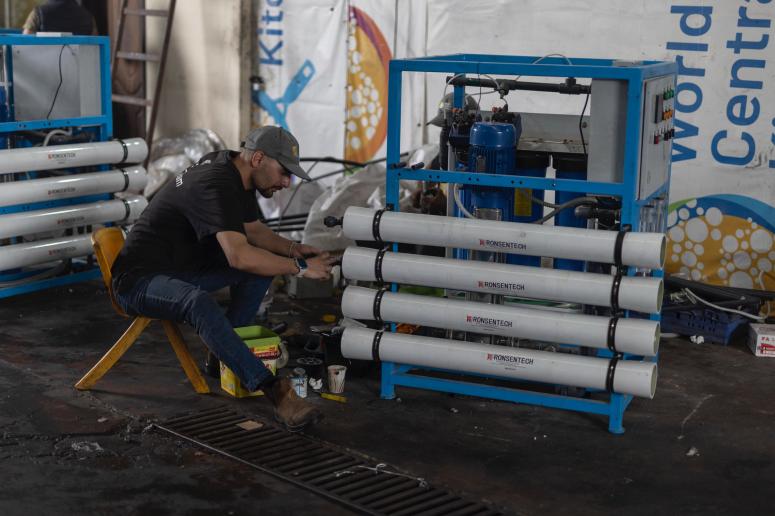
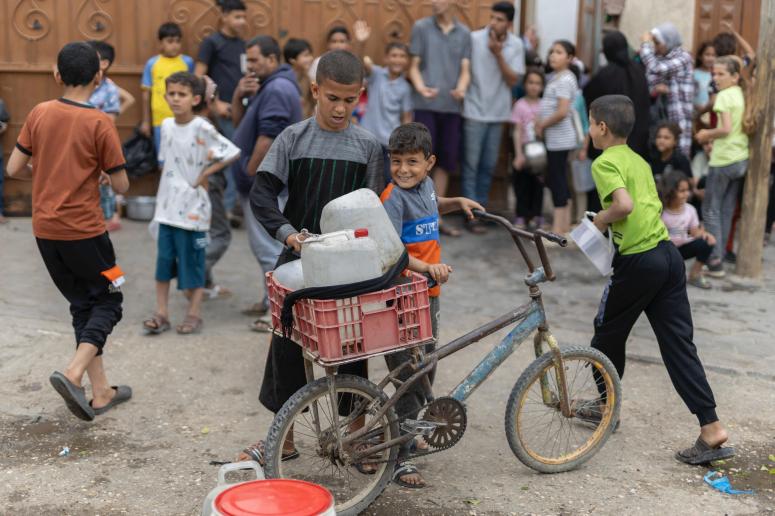
Food is essential—but so is water. In Gaza, where clean water has been dangerously scarce, our team scaled up reverse osmosis desalination sites to provide safe drinking water to families who had no access. During the spring pause in humanitarian aid, when our kitchens were unable to cook for over six weeks as aid was not allowed into Gaza, these desalination efforts became a lifeline. To date, WCK has produced and distributed over 18 million gallons of clean water across Gaza.
“When cooking became impossible, we found another way to nourish life.”
— Wadhah, WCK Gaza Response Director
We also brought this innovation to Alaska after Typhoon Halong devastated communities along the state’s western coast. Working with GlobalMedic, we transported clean water to remote Indigenous villages where homes, wells, and infrastructure were destroyed. In regions where families rely on subsistence foodways, ensuring access to water was critical to survival and recovery.
3. Creating New Foodways
WCK doesn’t only serve hot meals, we help communities rebuild more sustainable food systems.
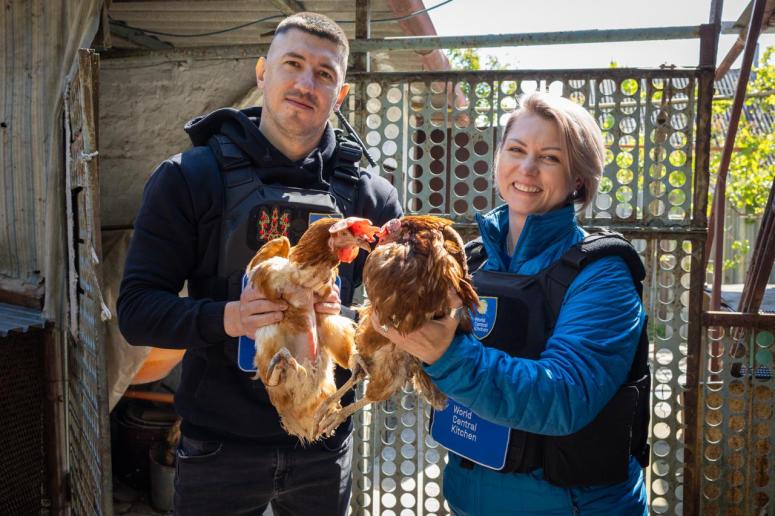
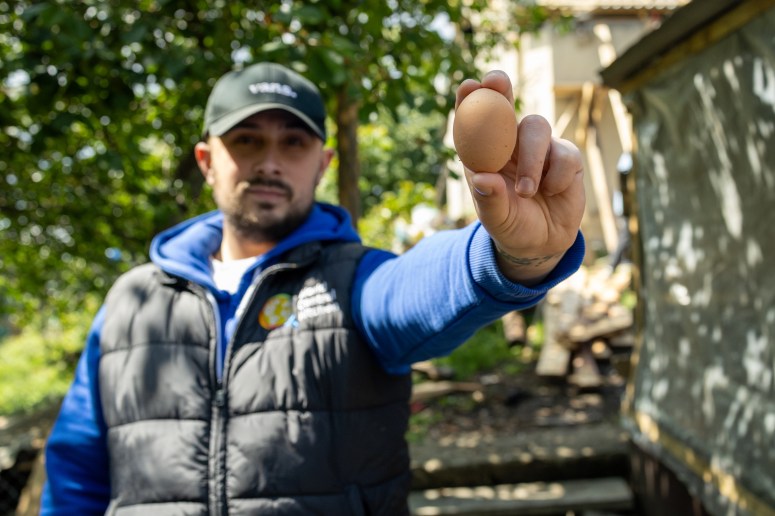
In Ukraine, our Chicken Kit Project launched this year to support frontline families who rely on backyard agriculture. Each kit provides hens and feed, giving households a consistent source of protein and a sense of normalcy in the midst of ongoing conflict.
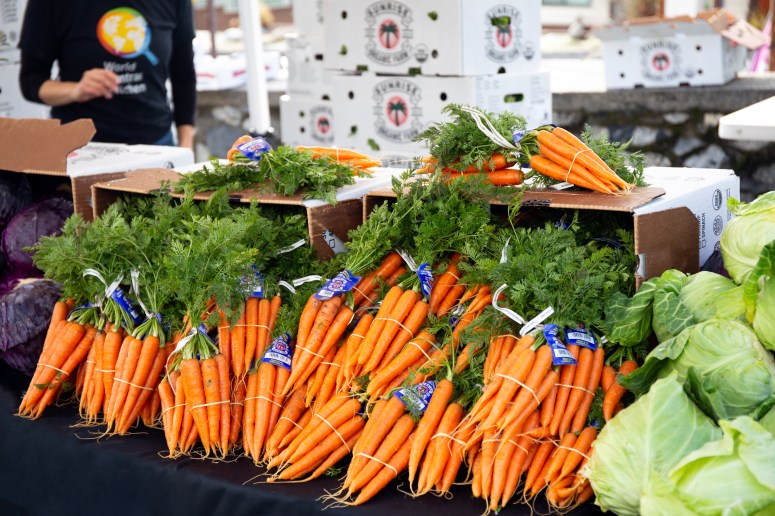
In California, the Palisades and Altadena wildfires disrupted both livelihoods and local food access. Farmers lost crops, road closures cut off distribution routes, and residents were left without fresh produce. WCK stepped in to create free farmers’ markets, connecting farmers with families who needed food. This effort continues today, alongside a WCK commissary kitchen that provides workspace for cooks and chefs who lost their businesses to the fires. Together, these initiatives bolster both food access and local economic recovery.
4. Staying Storm-Ready
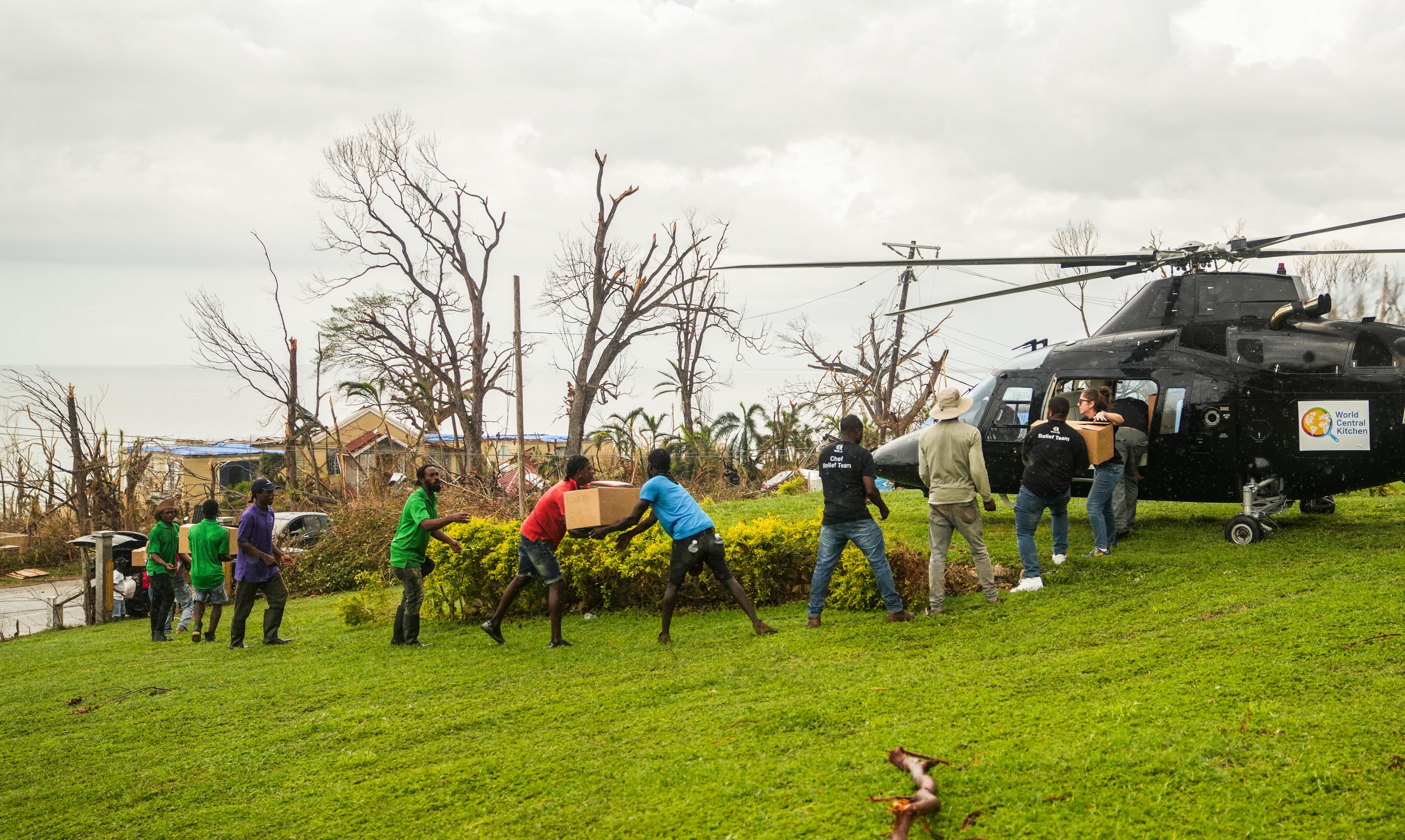
As storms grow stronger, WCK is investing in smarter ways to pre-position supplies so we can respond the moment disaster strikes. Across the Caribbean and other high-risk regions, we’ve established strategic hubs stocked with ready-to-move food, equipment, and emergency resources. In Puerto Rico alone, we prepared two 20-foot refrigerated containers filled with essential supplies before hurricane season began. These hubs allow us to deploy rapidly and at scale—ensuring that no matter where a storm hits, meals can reach families within hours, not days.
5. Supporting Long-Term Recovery
WCK’s work doesn’t end when the headlines fade. In communities rebuilding from wildfires, flooding, and conflict, our teams—often impacted residents themselves—remain dedicated to long-term recovery.
This year, we provided local gift cards to support both families and local economies. In California, employees of restaurants destroyed in the wildfires received meal gift cards to help them get by after losing their workplaces. In Texas, families of first responders and community members impacted by severe flooding received grocery store gift cards that could feed a household for up to two weeks.
“In Hunt, we truly listened to what could be helpful to those families at that time.”
— Sam, WCK Response Director
Long after immediate relief ends, these efforts help stabilize communities, restore dignity, and strengthen local food ecosystems.
Support our innovative work around the world