WCK teams operating on frontlines of climate change
Since 2021 and the launch of our Climate Disaster Fund, WCK has responded to 25 climate-related disasters worldwide. Our teams are witnessing first hand the compounding effects of a changing climate.
The latest United Nations climate change report asserts that human-caused climate change is already influencing many weather and temperature extremes worldwide and warns that inaction will claim lives and further damage the environment.
Hurricanes are developing earlier in the year and occurring more regularly and with increased intensity. Devastating wildfires are now a year-round threat. Warmer temperatures are fueling added moisture in the air, unleashing record rains and flooding. This crisis is driving hundreds of thousands of migrants and refugees from their homes, fueling food insecurity, and placing an ever larger economic burden on impacted communities coping with the damage inflicted by climate-related disasters.
In short, climate change is resulting in more climate disasters.
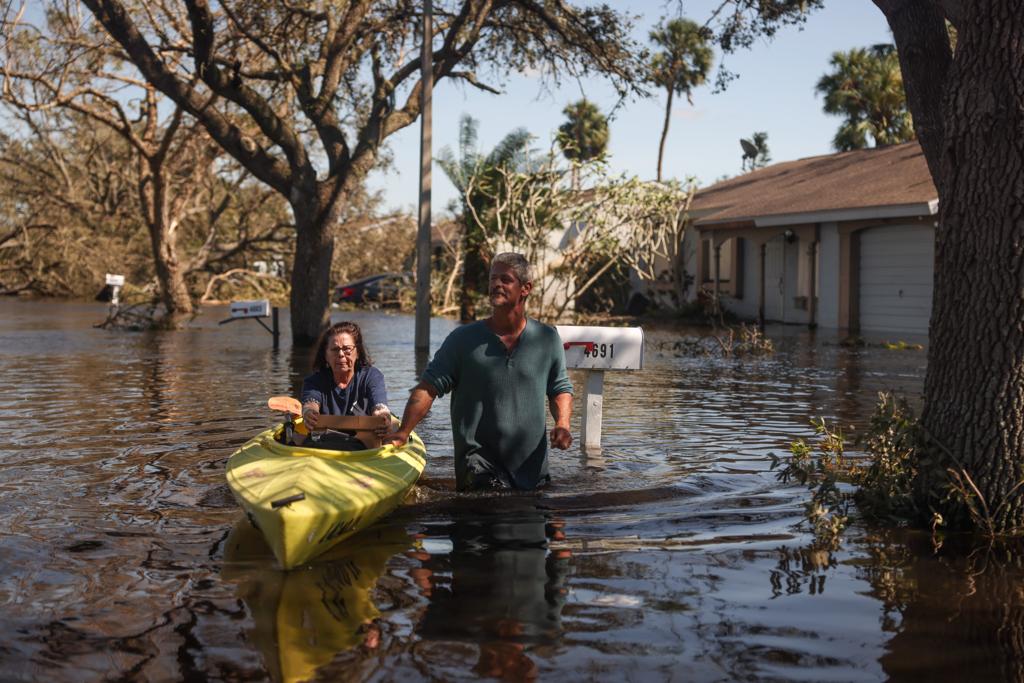
Take the 2022 Atlantic hurricane season as an example: between September and November of last year, our teams were on the ground across eight countries supporting communities impacted by three storms—Hurricanes Fiona, Ian, and Julia. This does not include Pacific Hurricane Agatha—the strongest hurricane to ever hit Mexico in the month of May, that our Relief Team also responded to.
Hurricanes Fiona and Julia hit communities in the Caribbean and Central America still reeling from the effects of past storms. Hurricane Fiona shut down Puerto Rico’s entire power grid which is still fragile following damage sustained during Hurricanes Irma and María in 2017. Hurricane Julia caused catastrophic flooding in highly vulnerable communities in Guatemala that have not recovered from the damage caused by Hurricanes Eta and Iota in 2020. Hurricane Ian tore through parts of Cuba before making landfall in western Florida as one of the most powerful storms to ever hit the region.
Hurricane Fiona
Over the course of one week, Hurricane Fiona took a heavy toll on Puerto Rico, the Dominican Republic, the Turks & Caicos Islands, Bermuda, and Nova Scotia. WCK advance teams were on the ground before the storm hit to bring nourishing meals and water to people in need as soon as possible. We served more than 680,000 meals across the five affected regions.
Hurricane Julia
After causing deadly landslides in Venezuela, Tropical Storm Julia intensified and slammed into Central America as a Category 1 hurricane. The storm left many Guatemalan communities severely flooded. Reaching impacted areas as soon as the storm passed, WCK provided more than 49,000 fresh meals in several towns in Guatemala and Venezuela.
Hurricane Ian
After causing power outages across Cuba, Hurricane Ian headed toward Florida, approaching Category 5 status. Arriving ahead of the storm, WCK began serving fresh meals immediately after Ian passed. Our teams served more than one million meals to impacted communities.
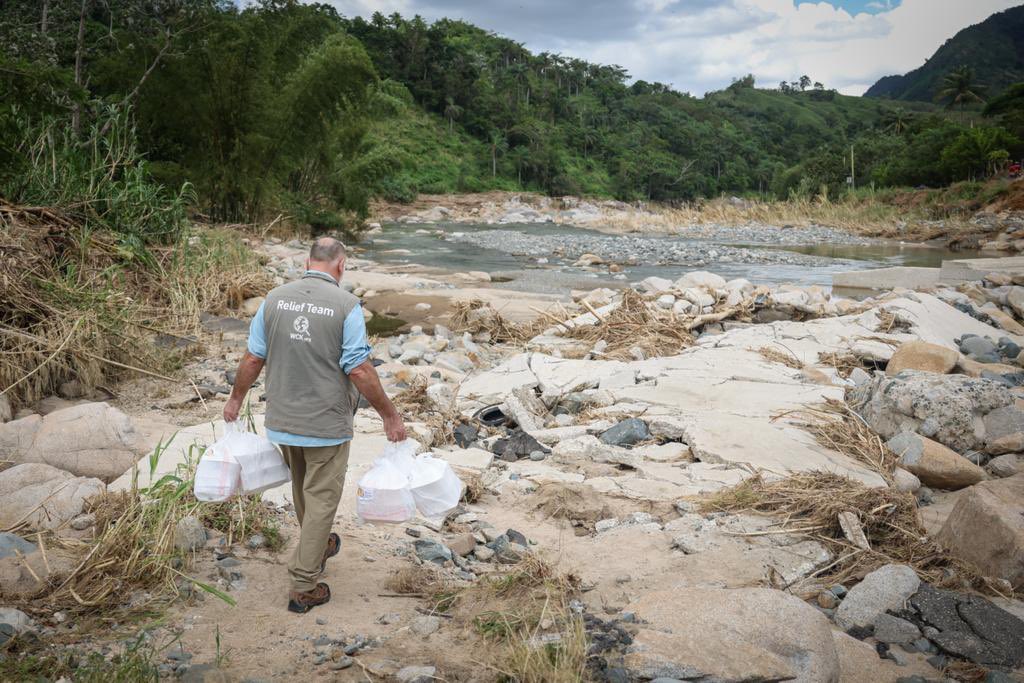

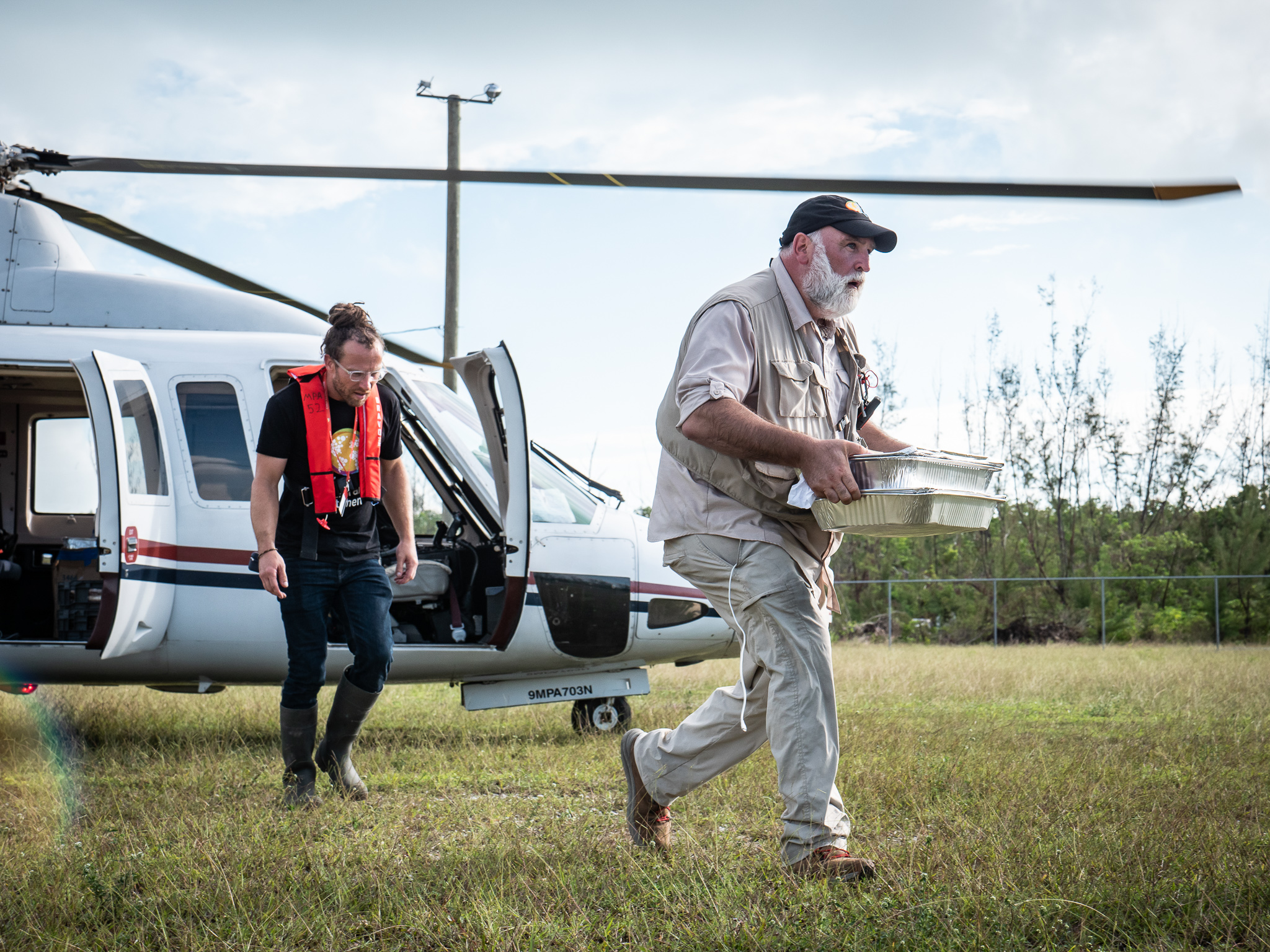
The climate crisis is disproportionately impacting already vulnerable communities. Our climate-related responses reflect this reality. Over the past two years, WCK responses to climate crises have included Afghanistan, Bangladesh, Madagascar, and Pakistan. These four nations are served by the International Development Association, the World Bank’s multibillion-dollar fund for the world’s most impoverished countries.
Additionally, the Global Climate Risk Index 2021 identified Puerto Rico, Myanmar, and Haiti as the most affected locations by climate change from 2000 to 2019. They were followed by the Philippines, Mozambique, and The Bahamas. WCK teams have responded to climate-related crises in all these locations except Myanmar.



Top left: Puerto Rico, 2017. Top right: Mozambique, 2019.Bottom left: The Bahamas, 2019. Bottom Right: Philippines, 2022.
What our teams witnessed last spring in India, Pakistan, and Bangladesh clearly demonstrates the scale of disasters climate vulnerable countries may witness if current trends continue. India’s monsoon season started earlier in the year than usual and ended later, dumping above-average rainfall across the region. Rains impacted millions of people in India and Bangladesh between May and July, with the latter experiencing its worst floods in two decades. In Pakistan, the worst rain and flooding since records began in the country killed more than 1,000 people and caused the formation of a 62-mile wide inland lake that displaced millions.
India
WCK activated with our long-time partner, Chef Sanjeev Kapoor in Assam, India after severe flooding displaced millions of residents and put entire villages underwater. Chef Kapoor is a member of our Chef Corps who has led previous efforts in India, and he helped the WCK team bring hot meals like curried potatoes with peas, yellow lentils, and cumin rice to impacted communities.
Bangladesh
Severe pre-monsoon rains in northeast Bangladesh damaged homes and crops, disrupting the lives of more than four million people. WCK began by preparing hot meals, but quickly shifted to also providing meal kits containing items like rice, potatoes, oil, and salt to families in need. Many communities were still inaccessible by road, so our team made deliveries by boat in Sylhet and Sunamganj.
Pakistan
In response to historic flooding in Pakistan brought on by an intense monsoon season, WCK established two Field Kitchens in the Khyber Pakhtunkhwa and Sindh provinces, cooking tens of thousands of hot meals for impacted families. We continued support by working with regional partners Instant Aid and Rizq to distribute over 5,000 food kits to villages in need. Items in the food kits, which were locally sourced in Pakistan, included dates, rice, tea, and spices.
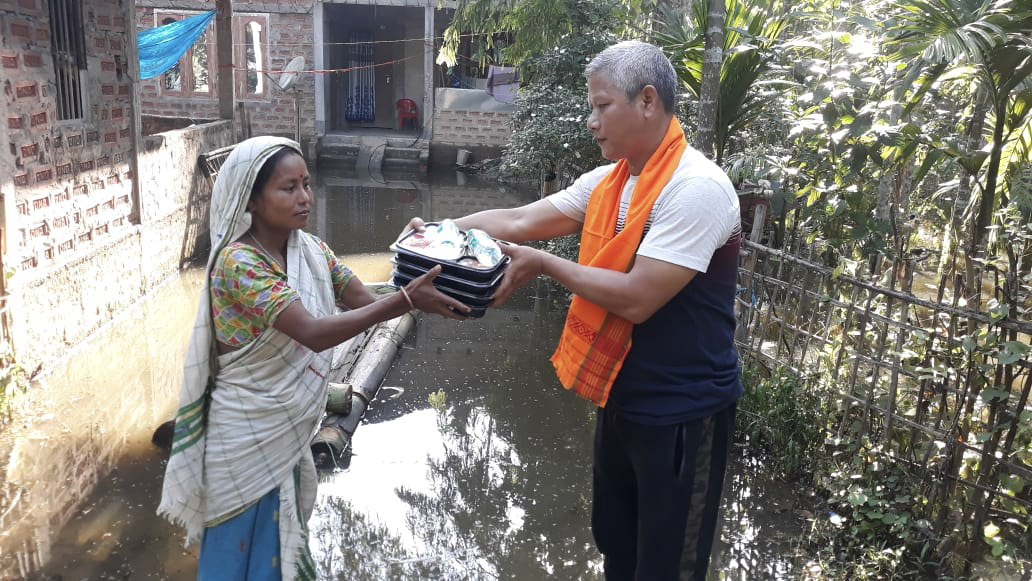
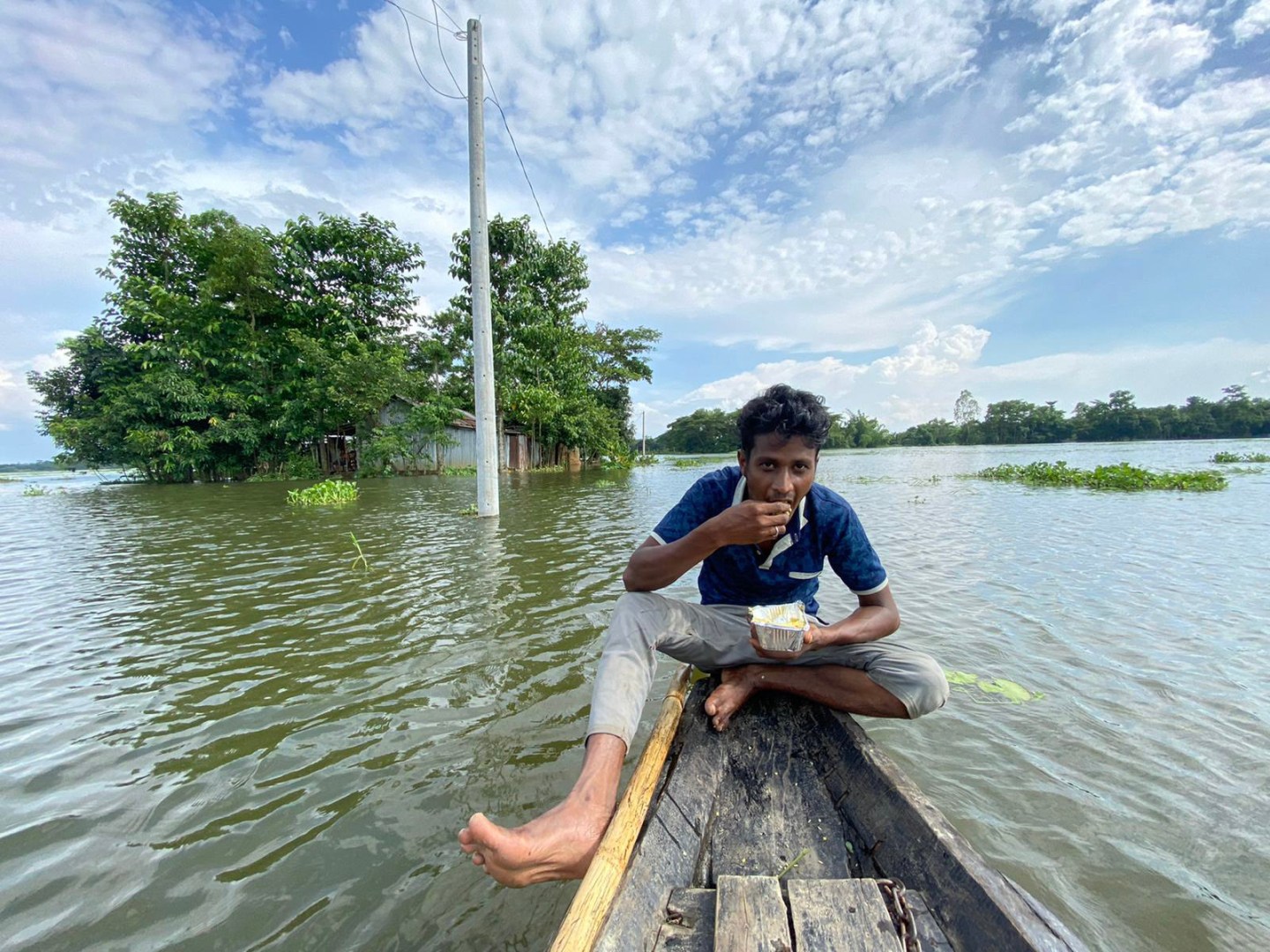

Catastrophic rains like these are in line with projections included in the UN climate change report. According to the UN, the increased frequency and intensity of heavy precipitation will increase rain-generated local flooding.
Over the past two years, our teams have responded to rain-generated flooding on four continents. In addition to the responses mentioned above, we supported communities impacted by flooding in South Africa last April. There, a storm brought 12 inches of rain, beating one-day rainfall totals from previous historic disasters in the KwaZulu-Natal Province on the country’s eastern coast. Just weeks later heavy rainfall caused flooding and landslides in the state of Pernambuco, Brazil, and our Relief Team activated quickly with local restaurants to prepare meals and later food kits for people in need.

In late July, deadly flash flooding in eastern Kentucky wiped away entire homes, and left communities without power and limited access to clean water. WCK arrived shortly after, establishing a Relief Kitchen and spreading our team across the impacted areas. We served over 75,000 meals, provided produce boxes, and set up farmers markets in four hard-hit counties.
Hazard—a community in southeastern Kentucky—was the most heavily impacted by the July floods. Data from the US government’s Council on Environmental Quality presented in its Climate and Economic Justice Screening Tool indicates that Hazard is considered disadvantaged because it meets the tool’s thresholds for climate and socioeconomic burden. The census tract in which Hazard sits is in the 93rd percentile for flood risk and 71st percentile for low income, meaning it meets the tool’s thresholds to be classified as disadvantaged. Our response to flooding in Kentucky demonstrates that climate-related crises also disproportionately impact vulnerable communities in the US.

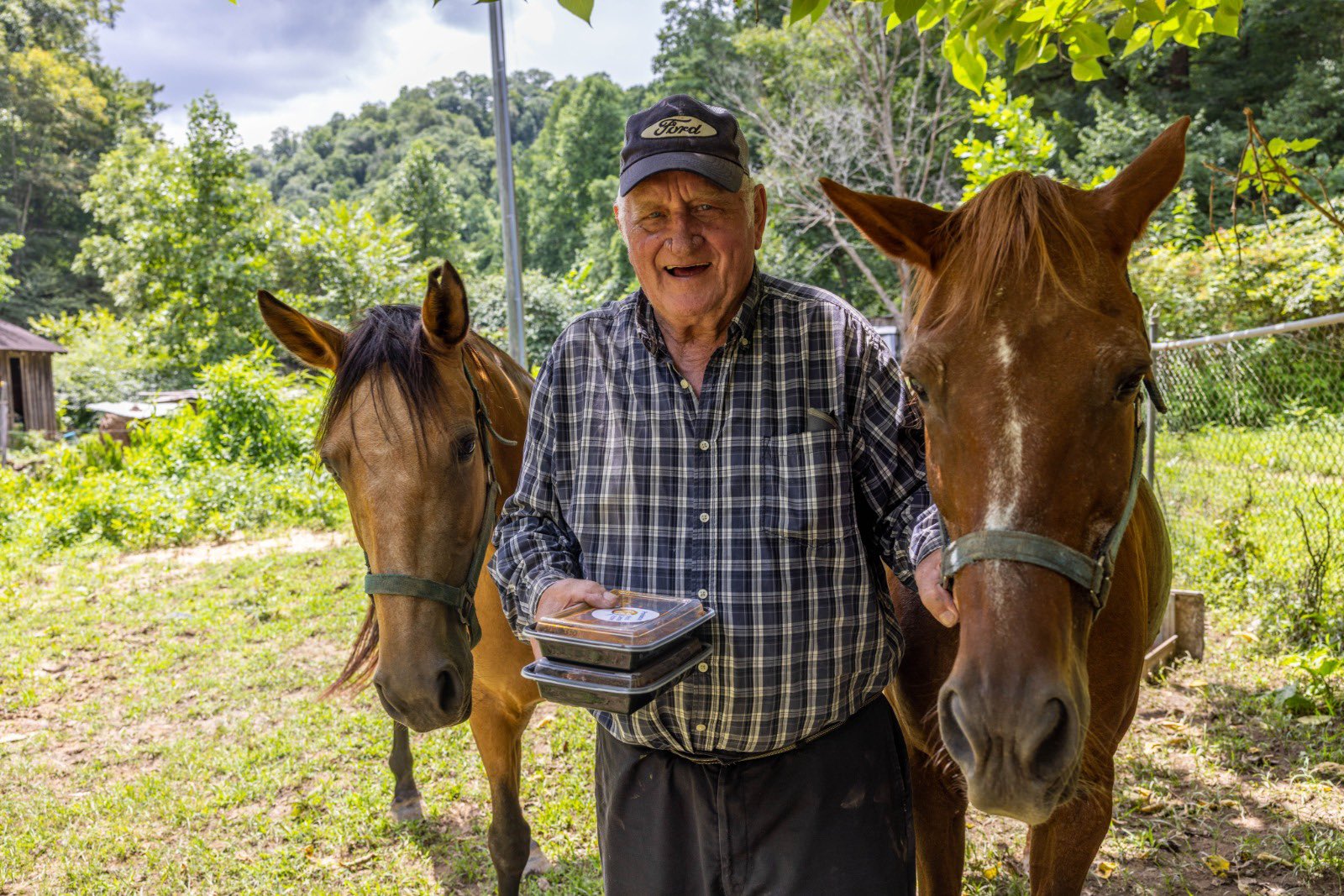
A sample of 13 WCK climate-related responses in the US between 2021 and present shows that 76% of our nearly 1,800 meal recipient sites were located within communities identified as disadvantaged by the Council on Environmental Quality. Additionally, the cost of damages from these crises is increasing.
The National Centers for Environmental Information states that in the US there have been 341 weather and climate disasters since 1980 where overall damages reached or exceeded $1 billion, with the total cost of these 341 events surpassing $2.48 trillion. This data shows that the average cost of damages from these disasters has grown eightfold from the 1980s to 2022. Over the same period of time, the number of deaths caused by these disasters in the US has doubled.
California’s 2018 fire season offers a clear snapshot of the devastating power of climate-related disasters. UN projections indicate that aridity and wildfire conditions will lead to more destructive fires. This was the case in California when prolonged drought and strong winds resulted in what at that time was the most destructive wildfire season in the state since records began.


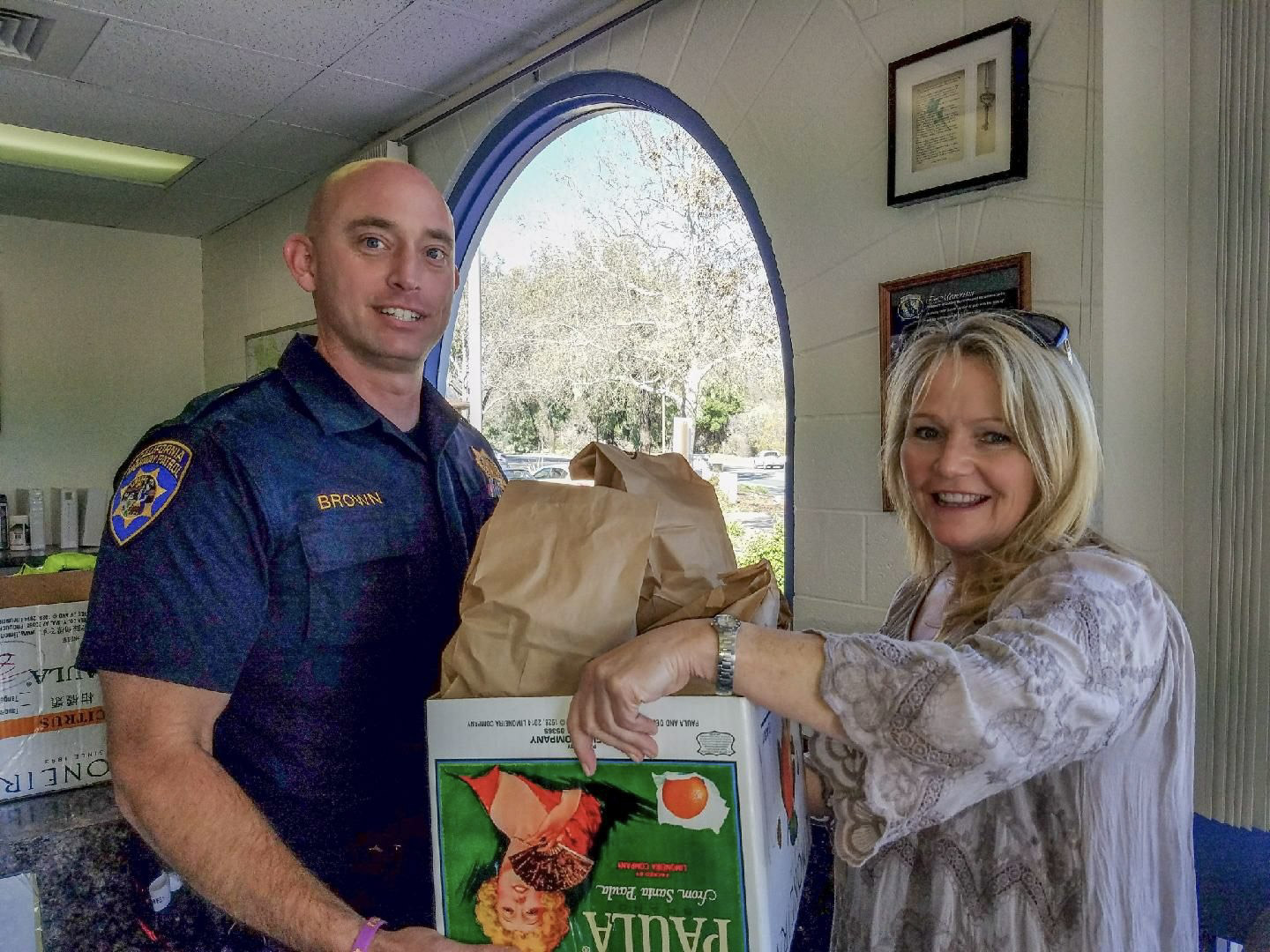

Between the summer and fall of 2018, California experienced, what until then, had been its most expensive, deadly, and biggest wildfires. The Camp Fire was the costliest and deadliest on record while the Mendocino Complex Fire was the largest on record. At the same time Northern California was ravaged by the Carr Fire while Southern California was hit by the Woolsey Fire. Combined, the 2018 wildfire season in California killed more than 100 people and caused an estimated $24 billion worth of damage according to the National Centers for Environmental Information.
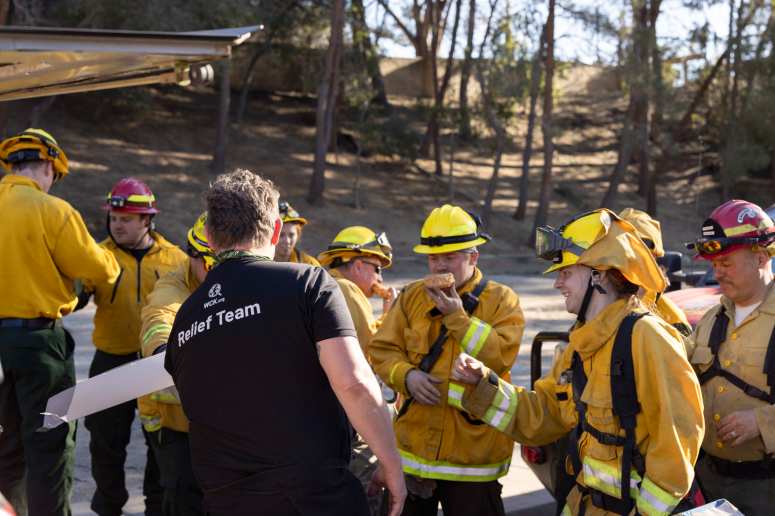
WCK teams were on the ground supporting impacted communities during all four of these fires, distributing more than 317,000 meals to first responders and families that to this day find themselves on the front lines of climate change.
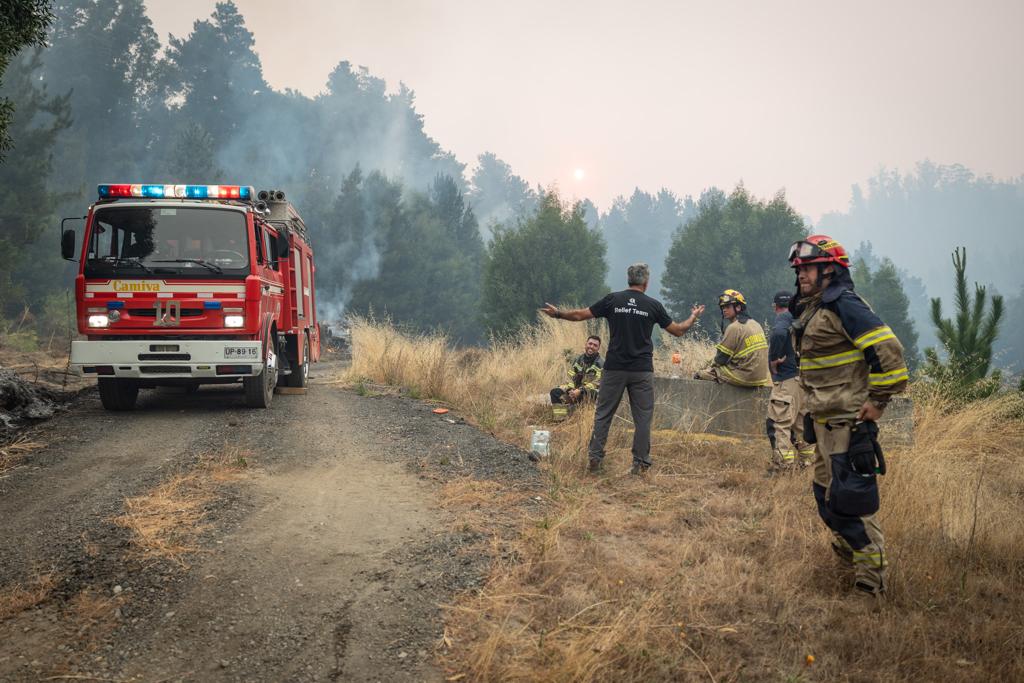
Records set by the 2018 western wildfire season did not last long. When the 2020 and 2021 wildfire seasons proved to be even more destructive, our teams were there to support first responders and families in need. WCK’s Relief Team has worked alongside local partners to respond to wildfires in the US and abroad—including Australia, Chile, Greece, and Spain.
California
The Camp Fire in Northern California was, at the time in 2018, the deadliest and most destructive wildfire in California’s history—the entire town of Paradise was largely destroyed. WCK set up two emergency kitchens in Chico and mobilized 3,000 volunteers to serve 55 locations, including shelters and emergency operations centers, and deliver meals to firefighters on the front lines. Our team worked to serve over 15,000 meals on Thanksgiving Day for families who had lost everything.
Australia
In January 2020, record-breaking temperatures and months of drought led to the most destructive fire season Australia has ever seen, with over 16 million acres burned. This was the first time WCK responded to a crisis on the continent, serving hot meals to first responders and evacuees of the deadly bushfires.
Spain
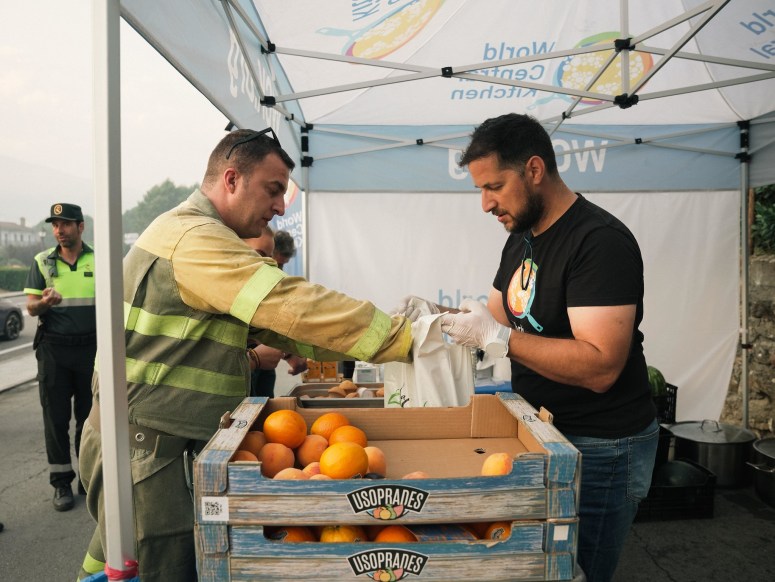
In 2022, WCK responded to seven wildfires across Spain between July and August, serving nearly 14,000 meals to first responders and evacuees. Firefighters were working around the clock to put out the fires, and WCK was on the ground in Zamora serving sandwiches, coffee, sweets, fruit, gazpacho, and cold water to fuel their efforts.
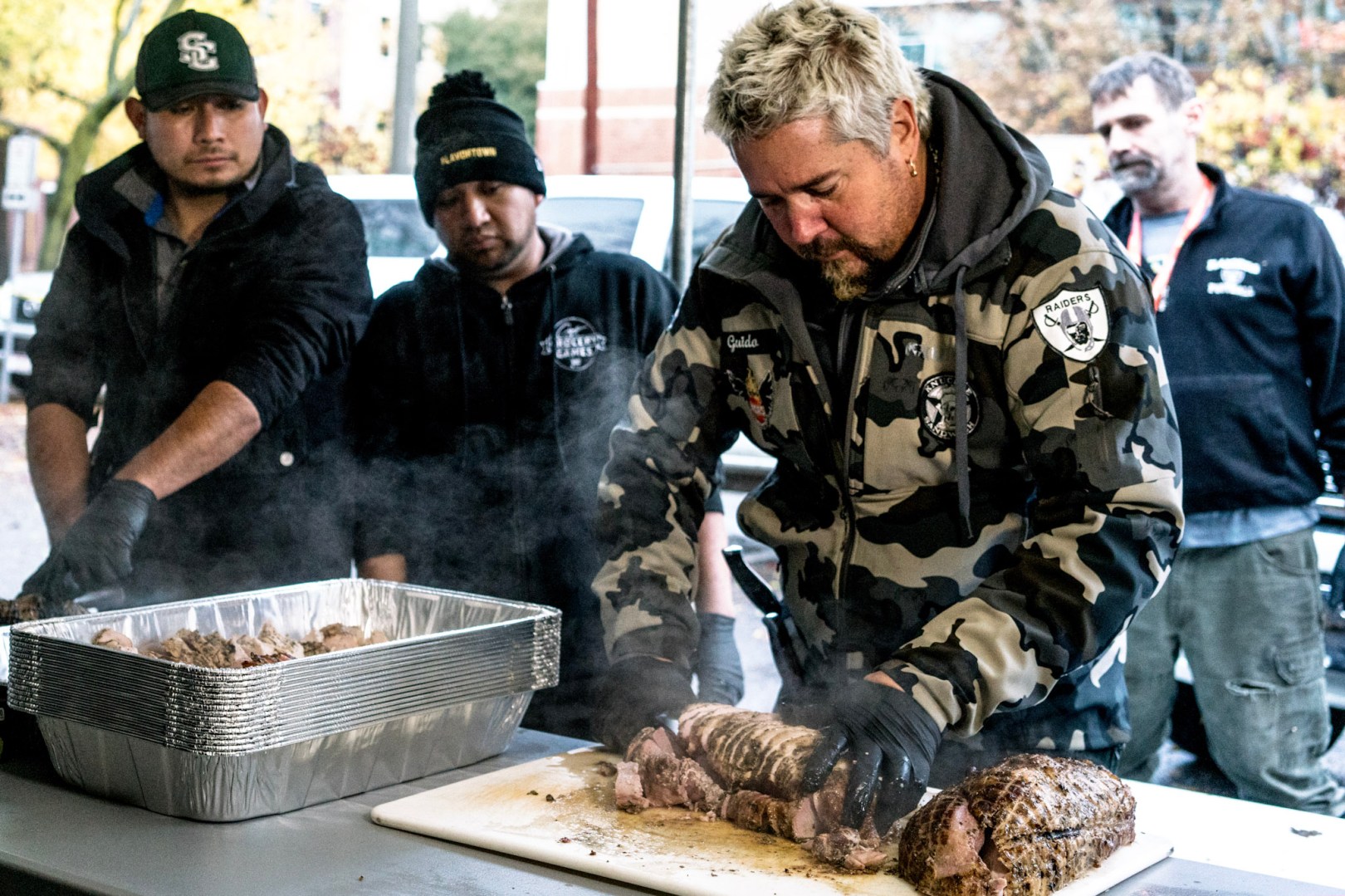

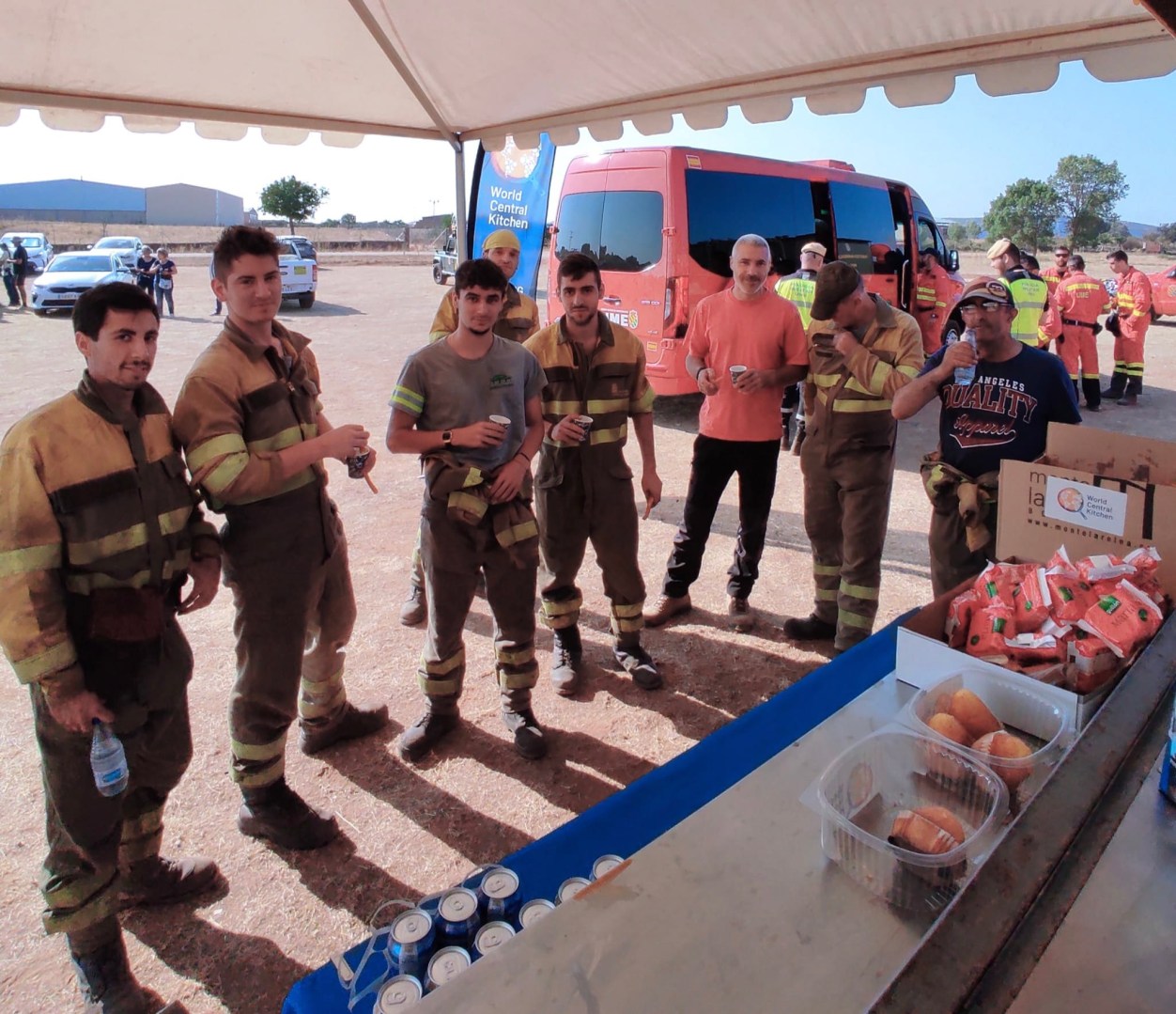
Our work in California—while just a sample of the efforts our teams lead worldwide—shows how communities can face a wide spectrum of climate-related crises. Over the past year alone, we have responded to wildfires, flooding, and extreme winter storms in the state. The diversity, frequency, and ferocity of catastrophic weather events that communities worldwide face requires us to continually adapt our model for relief and humanitarian assistance. At the same time, these factors are all expected to continue to drive food insecurity around the world, meaning that communities will be less prepared to recover from crises.
To better serve communities in need, WCK is further investing in our disaster preparedness infrastructure. We have bolstered our Relief Team and structured it to include regional teams, ensuring we can respond even faster and more efficiently to a disaster anywhere in the world.
We have to be ready to respond. Help us continue this work by becoming a monthly supporter of our Climate Disaster Fund.