How We’re Cooking in Gaza This Ramadan

As Ramadan begins, many people are asking the same questions:
How is World Central Kitchen able to cook in Gaza right now?
Why increase your efforts during Ramadan?
The situation in Gaza remains complex and deeply urgent. Here’s what to know based on our on-the-ground operations as of January 2026.
Is WCK getting food into Gaza right now?
Yes. World Central Kitchen is reliably getting food and supplies into Gaza, allowing our teams and partners to cook and distribute meals every day to families and medical facilities.
Improved access over recent months has enabled more predictable entry of ingredients and supplies. That predictability matters. It allows our teams to plan menus, sustain kitchen operations, and ensure food reaches people consistently, rather than sporadically.
Access still requires constant coordination and remains subject to security realities, but the ability to move food more reliably has strengthened daily meal operations across Gaza.
How is WCK able to operate when so many others cannot?
Our model is built around local, community-led operations and flexibility.
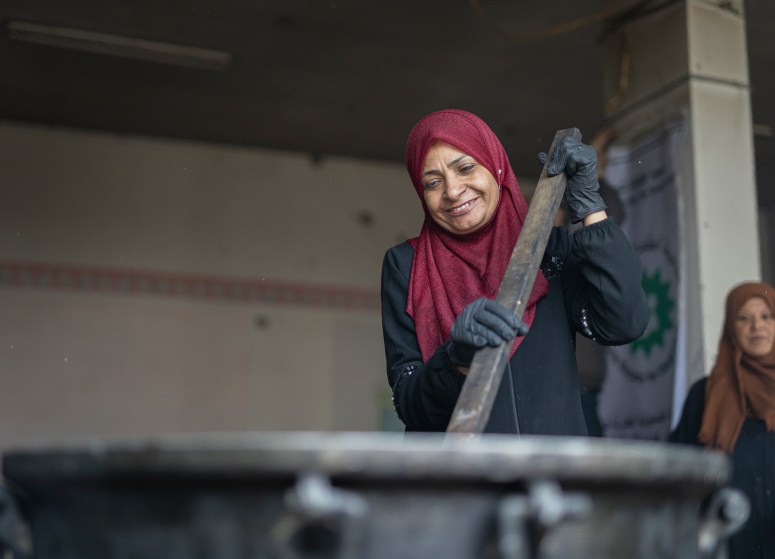
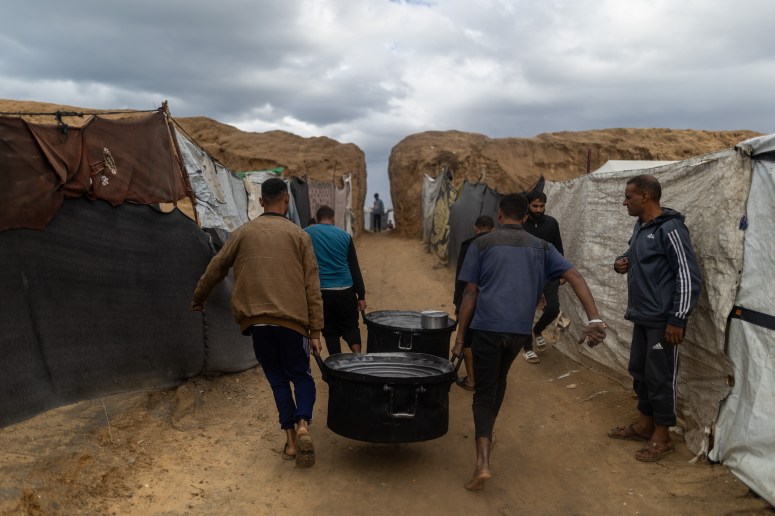
WCK cooks close to the communities we serve. Our kitchens in Gaza are led by Palestinian chefs, cooks, and volunteers from the community, supported by WCK teams and partners. This approach allows us to adapt quickly to changing conditions, work through multiple distribution channels, and sustain operations even when circumstances shift.
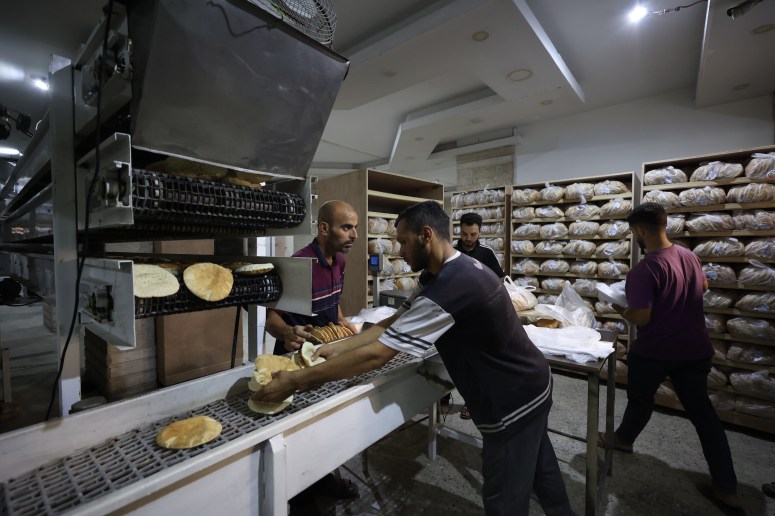
As of January 2026, WCK is operating six large-capacity Field Kitchens across Gaza, alongside dozens of Palestinian-led community kitchens, restaurant partners, and bakeries. Together, this network is producing a million hot meals every day, baking hundreds of thousands of loaves of bread, and delivering clean drinking water to families facing extreme hardship.
Combining multiple models, all rooted in community leadership, has been critical to reaching families at scale.
Why is it important for WCK to adapt efforts during Ramadan?
Ramadan is a month when the rhythms of daily life shift around food. Families fast from dawn to sunset, making suhoor and iftar essential moments of nourishment, stability, and dignity. In Gaza, where hunger is already a daily reality, those moments carry even greater weight.
For WCK, adapting during Ramadan is about meeting families where they are, when food matters most. That means ensuring meals are available early in the pre-dawn hours for suhoor, and reliably in the evening at iftar when families gather to break it. It requires consistency, planning, and the ability to cook and distribute food at scale, every single day.
Ramadan also places a collective focus on feeding others and caring for the most vulnerable. The need does not pause during the month. In many cases, it intensifies. Through our Ramadan efforts, WCK helps ensure families can observe the month with sustenance and dignity, while maintaining the daily food support that has remained active since 2023.
This is why Ramadan is not a separate response for WCK. It is a period that demands reliability, presence, and care.

What is the level of need right now?
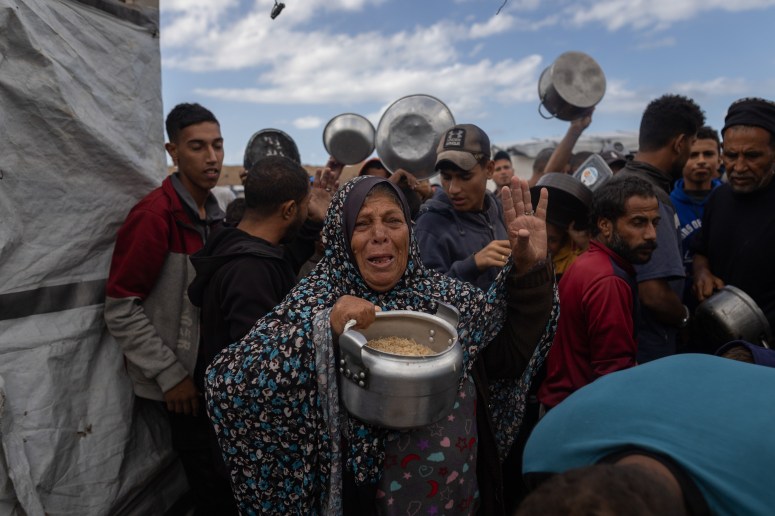
The level of need in Gaza remains extreme.
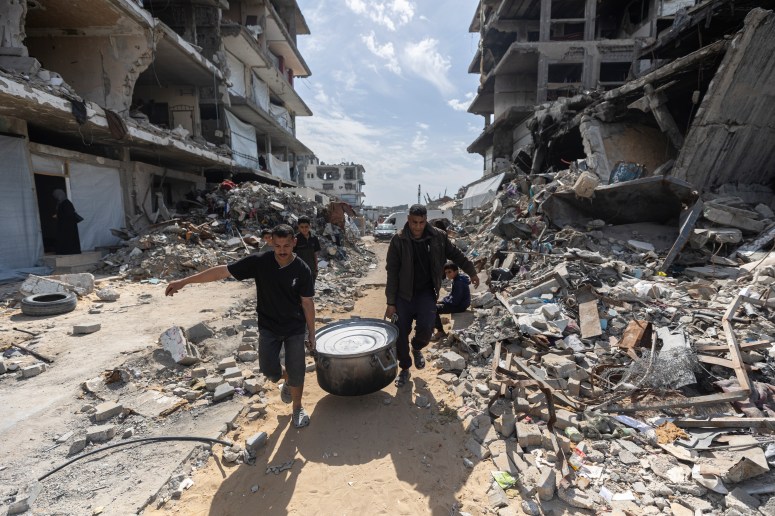
After more than 2 years of widespread destruction, displacement, and loss of life, families across Gaza are facing sustained food insecurity, limited access to basic services, and ongoing instability. Entire neighborhoods have been destroyed. While markets are now open, most families do not have the means to purchase adequate food in the markets. Many families have been displaced multiple times and are still struggling to secure enough food, clean water, and fuel to meet daily needs.
Until families can afford to access food, water, shelter, and safety, the need for sustained humanitarian food support will remain urgent.The demand for food continues to surpass supply, which is why our teams are actively pushing to expand operations as access and resources allow.
How has the ceasefire affected your work?
The ceasefire has allowed WCK to operate with fewer interruptions and greater consistency than in previous months. Violence, displacement, and severe food insecurity persist. While markets are now open, most families do not have the means to purchase adequate food in the markets. Many families are still struggling to access food, water, and basic services.
Progress toward peace does not immediately reduce humanitarian need, and in some cases, the need intensifies as families attempt to rebuild. WCK is currently cooking more meals than ever in Gaza because the need remains overwhelming.
Why does this matter during Ramadan?
Ramadan is a month centered on fasting, feeding others, and responsibility to one another. For families in Gaza, hunger is not a temporary experience tied to the calendar. It is daily.
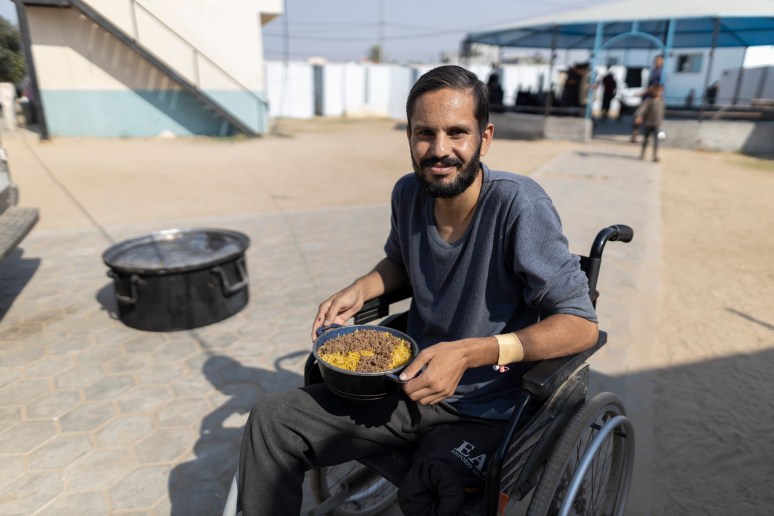
During Ramadan, WCK’s work ensures families can begin the fast with nourishment at suhoor and gather with dignity to break it at iftar. This year marks WCK’s third consecutive Ramadan serving families in Gaza, building on uninterrupted food support that has remained active since 2023.
Even as conditions evolve, our commitment remains the same: to provide food with consistency, dignity, and care, alongside Palestinian partners who are feeding their own communities every day.
Access, needs, and operations in Gaza can shift day to day. We are committed to sharing clear, up-to-date information about our work.
Ramadan sharpens our awareness of hunger and responsibility, but the need does not begin or end with the month. In Gaza, hunger is daily.
During Ramadan and beyond, our response remains grounded in one principle: food, without conditions. When people are hungry, we feed them.
Support our work during Ramadan