Immediate action following Kakhovka dam collapse
Along the banks of the Dnipro River
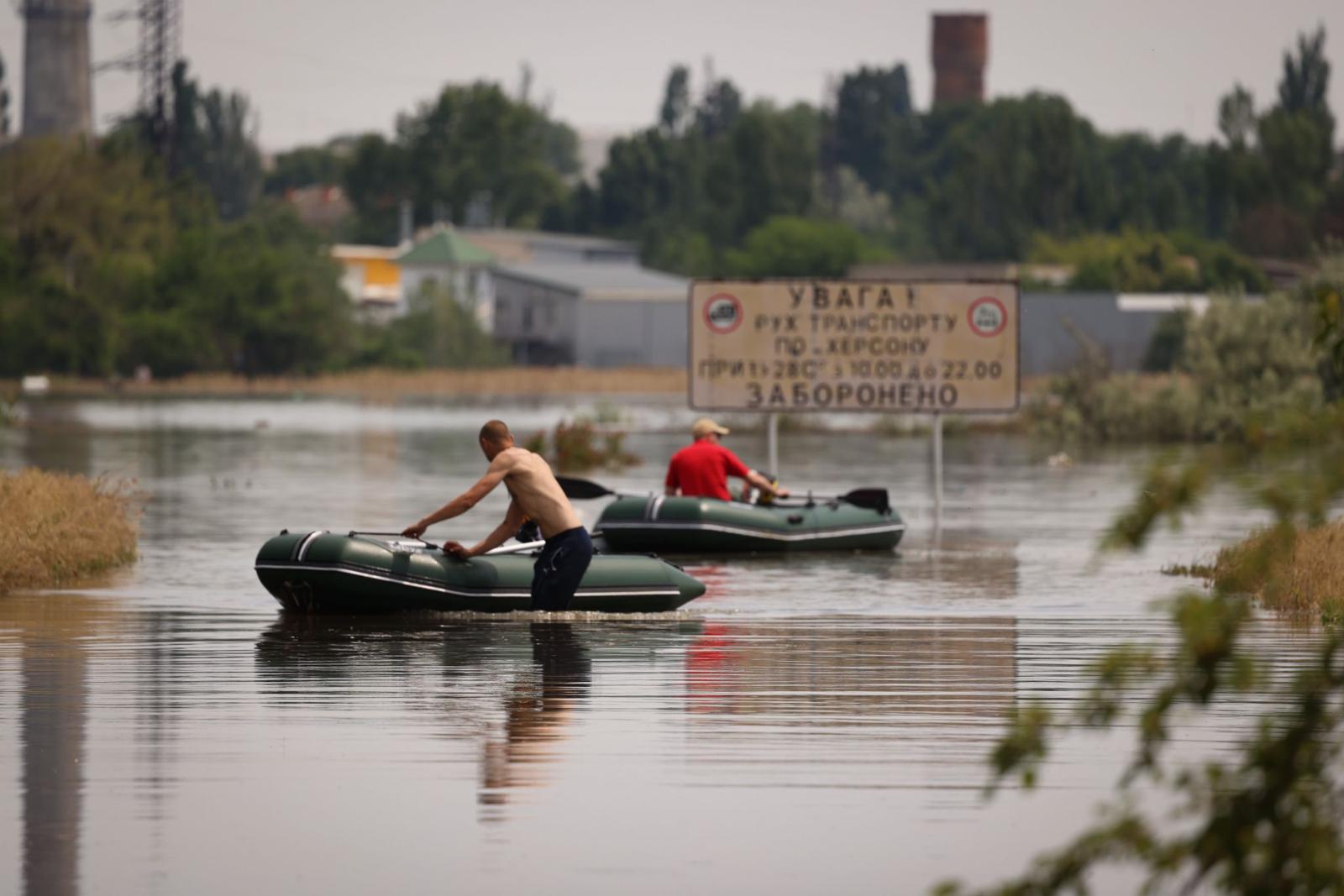
In the early hours of June 6, residents of southern Ukraine woke to water streaming into their homes. The Kakhovka dam—located in the Kherson region along the Dnipro River—had been destroyed. Damage to the structure resulted in torrents of water that flooded dozens of communities. Families were forced to grab whatever belongings they could and traverse flooded roads toward safety.
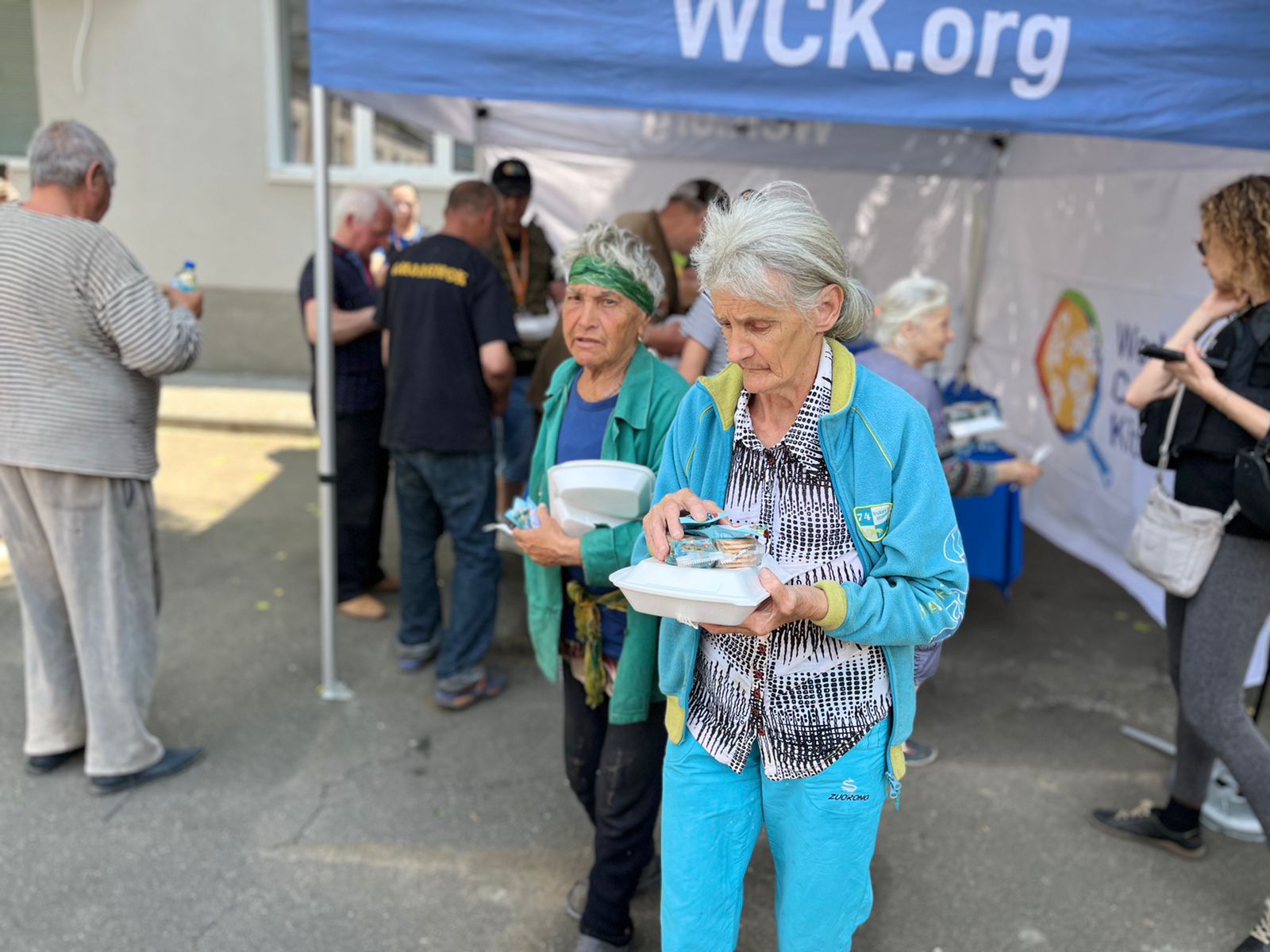
Arriving ready with sandwiches and bottled water, WCK’s emergency response teams were on the ground serving evacuees within hours of the dam explosion. Our teams quickly established meal distribution sites near flooded communities and hospitals where some evacuees headed. Many people were forced to flee only with the clothes on their backs, leaving behind all other belongings and food. WCK’s meal sites created a space for families to dry off and get a nourishing meal.
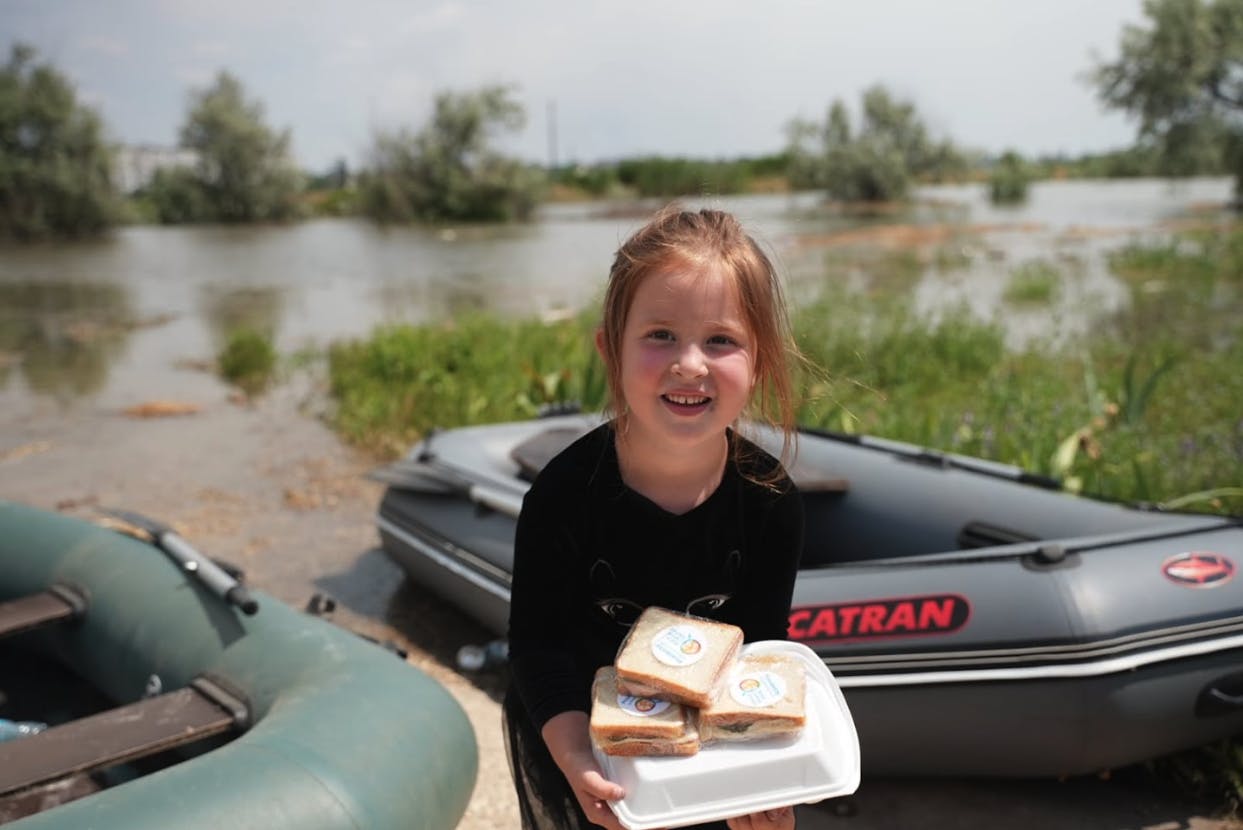
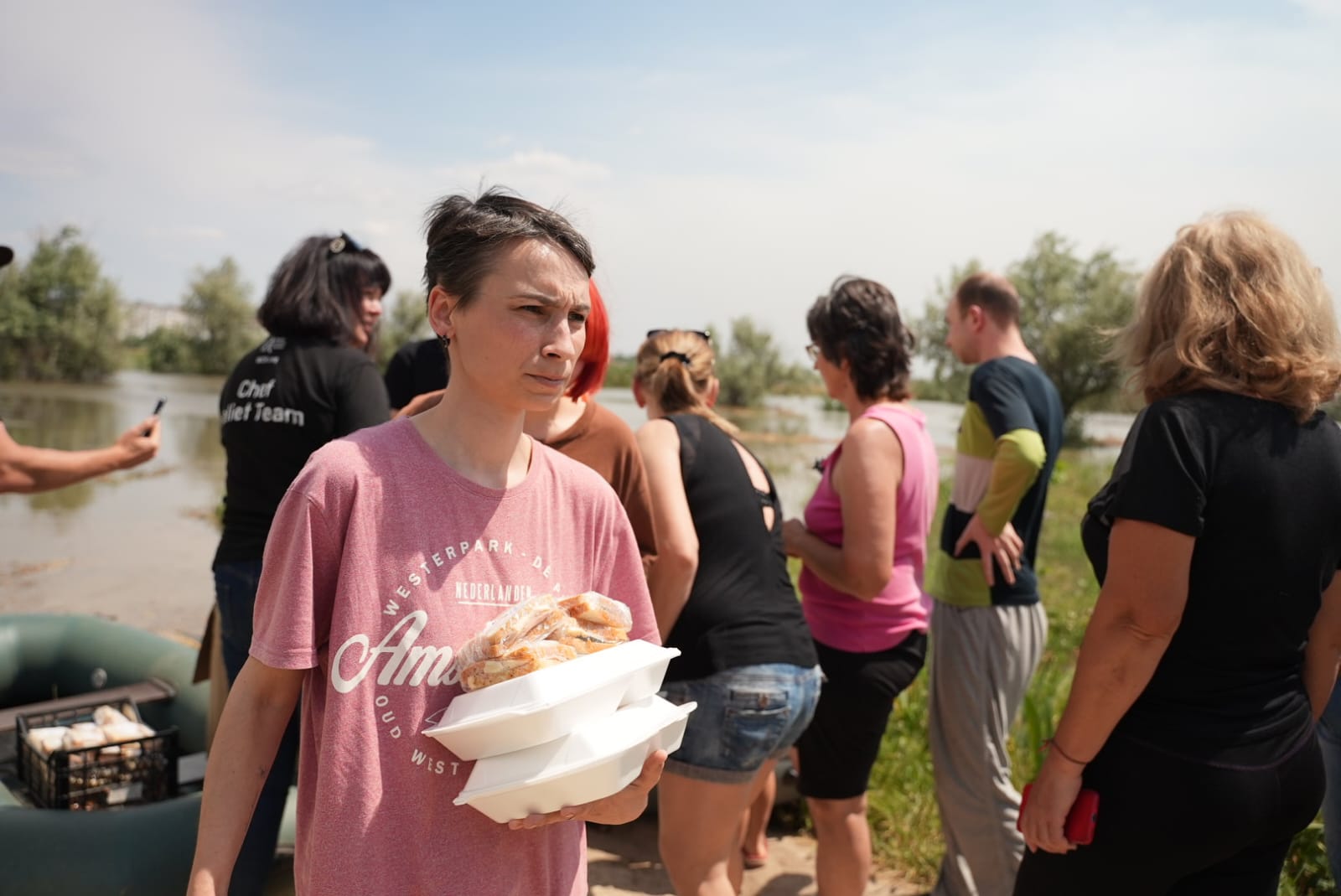
In the days following the disaster, WCK has been distributing food and water, even as flood waters continued to rise in some communities. Our teams reached families with meals as the Ukrainian State Emergency Service was leading evacuation efforts. In some cases, this meant transporting meals on inflatable boats. Teams took hot meals, sandwiches, water, cookies, “anything we could get at our warehouse,” said Julia, WCK’s local coordinator for Kherson, who is leading our regional response to the flooding. “We took everything with us.”
Within three days, WCK teams had served more than 7,700 hot meals, 2,000 sandwiches, and 3,000 loaves of bread.


A difficult road ahead
It’s not possible to predict the scale of devastation this emergency will have. The Kakhovka dam was the cork holding 4.3 cubic miles of water in its reservoir—that is hundreds of billions of gallons. That reservoir and hydroelectric power plant it fed were critical sources of electricity and water to irrigate the region’s farmland. Now it’s gone, another piece of critical civilian infrastructure lost to the war.
This loss will impact water supply and could create food shortages not only in Ukraine, but around the world. Tens of thousands of people relied on the reservoir for drinking water, and many thousands of acres of farmland depended on it for irrigation. Crops from these farms feed people in Ukraine, as well as parts of Africa, the Middle East, and Asia, making this another blow to Ukraine’s agricultural sector. Reduced food exports resulting from Russia’s invasion has led to increased food insecurity worldwide.
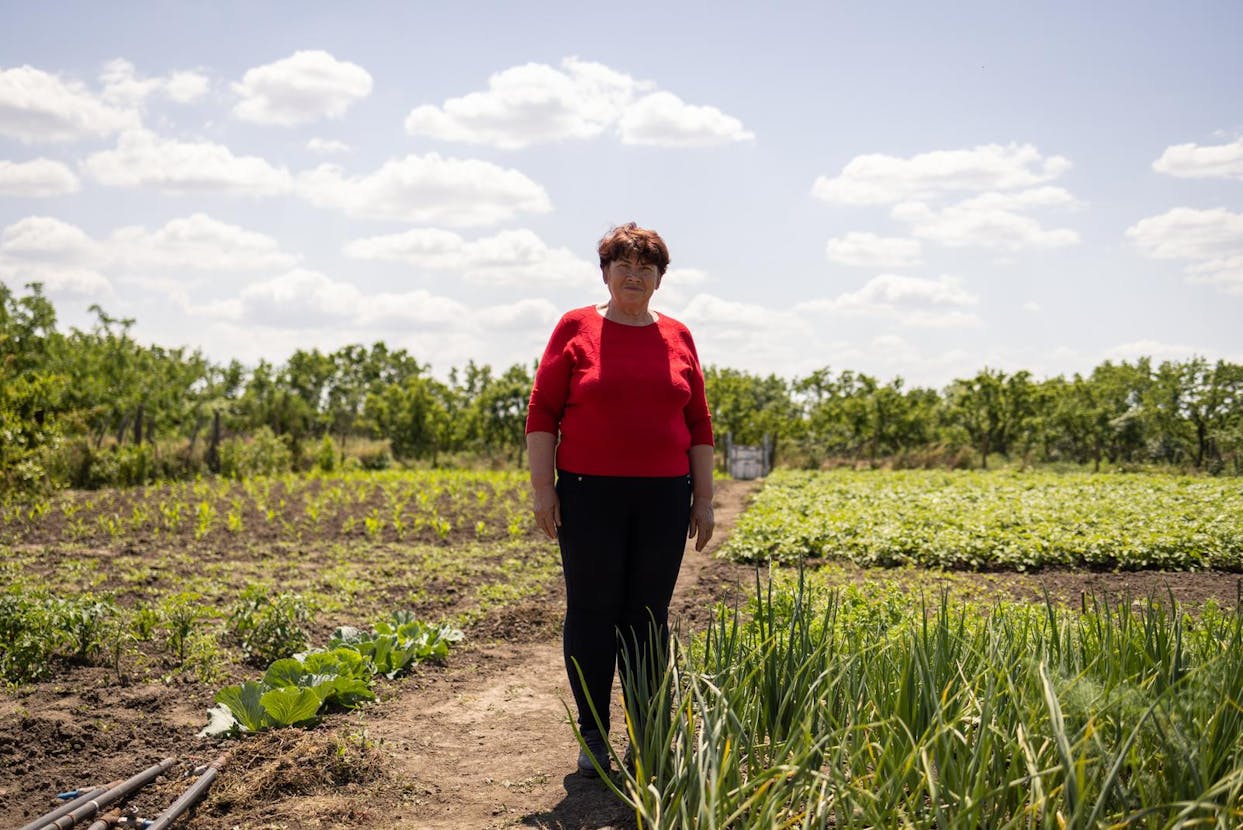
A common practice in Ukraine is to plant backyard gardens to grow vegetables—before the large-scale invasion, more than half of all households in the country did this. WCK has contributed to helping Ukrainians restart their home gardens by providing seed kits containing various kinds of produce: from zucchini and eggplant to dill and lettuce. In flooded areas, it will be days before families will even know if any of their crops survived.
Russian attacks across the region resumed shortly after the dam was breached, highlighting the critical need to support residents in this part of Ukraine. WCK’s staff, restaurant partners, and volunteers are committed to helping families in need. No matter how challenging the situation, we will continue to provide hope and support to the people of Ukraine who show a strength beyond comprehension.
Looking ahead at the next few days of our flooding response, WCK teams will increase the number of hot meals being provided daily to impacted communities. Access to potable water has once again emerged as a major challenge, so we will also distribute 13,500 liters of water per day.
Learn more about our #ChefsForUkraine response here. For real-time updates, follow WCK on Twitter, Instagram, and Facebook. You can support our work by making a donation here.