How WCK is Adapting to the Changing Face of Disaster
With changes in the climate and in our communities, the definition of “disaster” no longer fits into one neat box. Our WCK disaster response follows suit. Some disasters are lasting longer than ever, some are making sudden changes in direction, and some are compounded by having multiple disasters on top of one another.
We have been working to adapt to the needs of the communities on the frontlines of the climate crisis, especially as the phases of recovery get longer or even backslide.
Across our five responses in the US in 2025–wildfires in LA and North Carolina, our ongoing response to Hurricane Helene also in North Carolina, the outbreak of tornadoes across the Southeast, and flooding in Texas–our teams have adapted to changing needs and structures.


Some disasters change direction quickly, so cooking needs to be mobile.
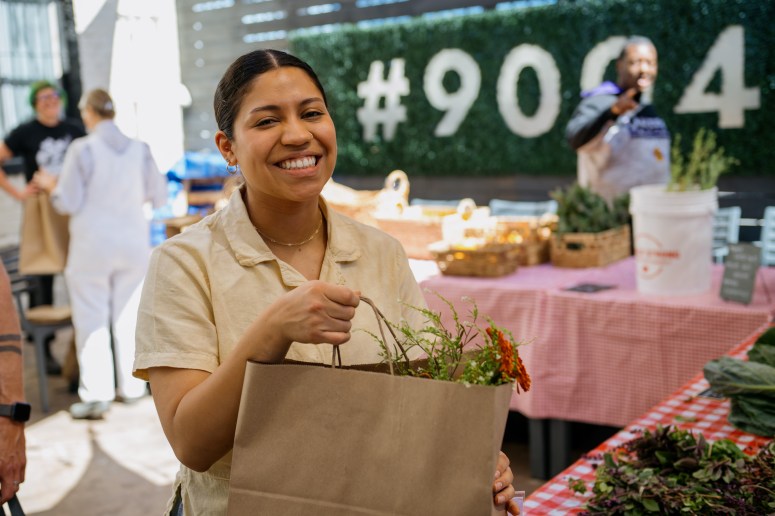
At the beginning of our response in California, fires threatened community safety. Fires could change direction overnight with the winds, so the needs and location of the community changed rapidly too. We largely prioritized using food trucks rather than stand-alone restaurants. This way, our meal distributions could be mobile and support families as they evacuated, no matter the direction. As first responders contained the fires, we then began distributing food at restaurants, working with our Chef Corps members to support a “WCK Cafe” model, where families could sit and share a meal together.
As the community continued the recovery process, we also debuted our brand-new Rapid Response Mobile Kitchen in LA. The RRMK is equipped with everything needed to cook up to 20,000 meals in hard-to-reach areas. In addition to the rest of our fleet, the RRMK will allow us to cook at higher capacities at higher speeds across the world, especially in regions that have limited access to community centers and restaurants.
Infrastructure damage can mean recovery takes longer than ever. Response models need to build for the long haul.
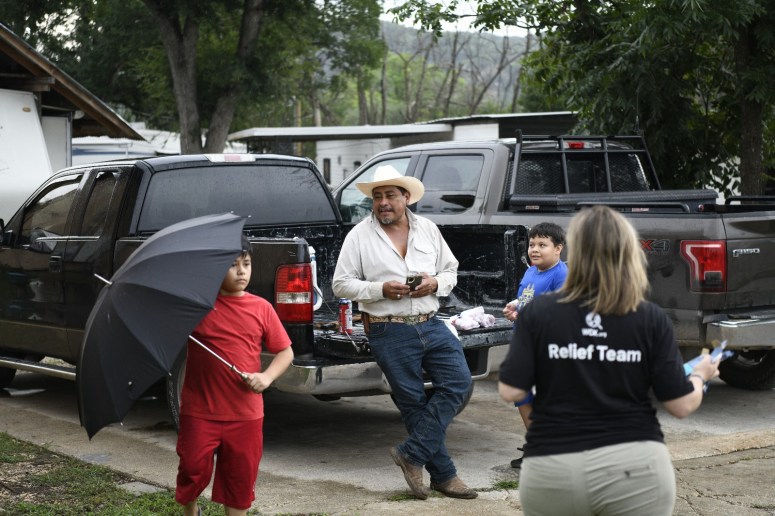
While wildfires ravaged the LA area, families in North Carolina were still struggling with water damage from Hurricane Helene. WCK has remained in western North Carolina through the winter, as access to water, electricity, and gas has not been restored to rural neighborhoods, and important access roads are still closed. We have adjusted our distribution in the region to include propane, water, and other necessary supplies. In the process, we’ve partnered with local grassroots organizations to help them extend their reach so they can care for their neighbors. In empowering local leaders, we aim to make sure the communities we serve can continue to take care of one another long after we depart.
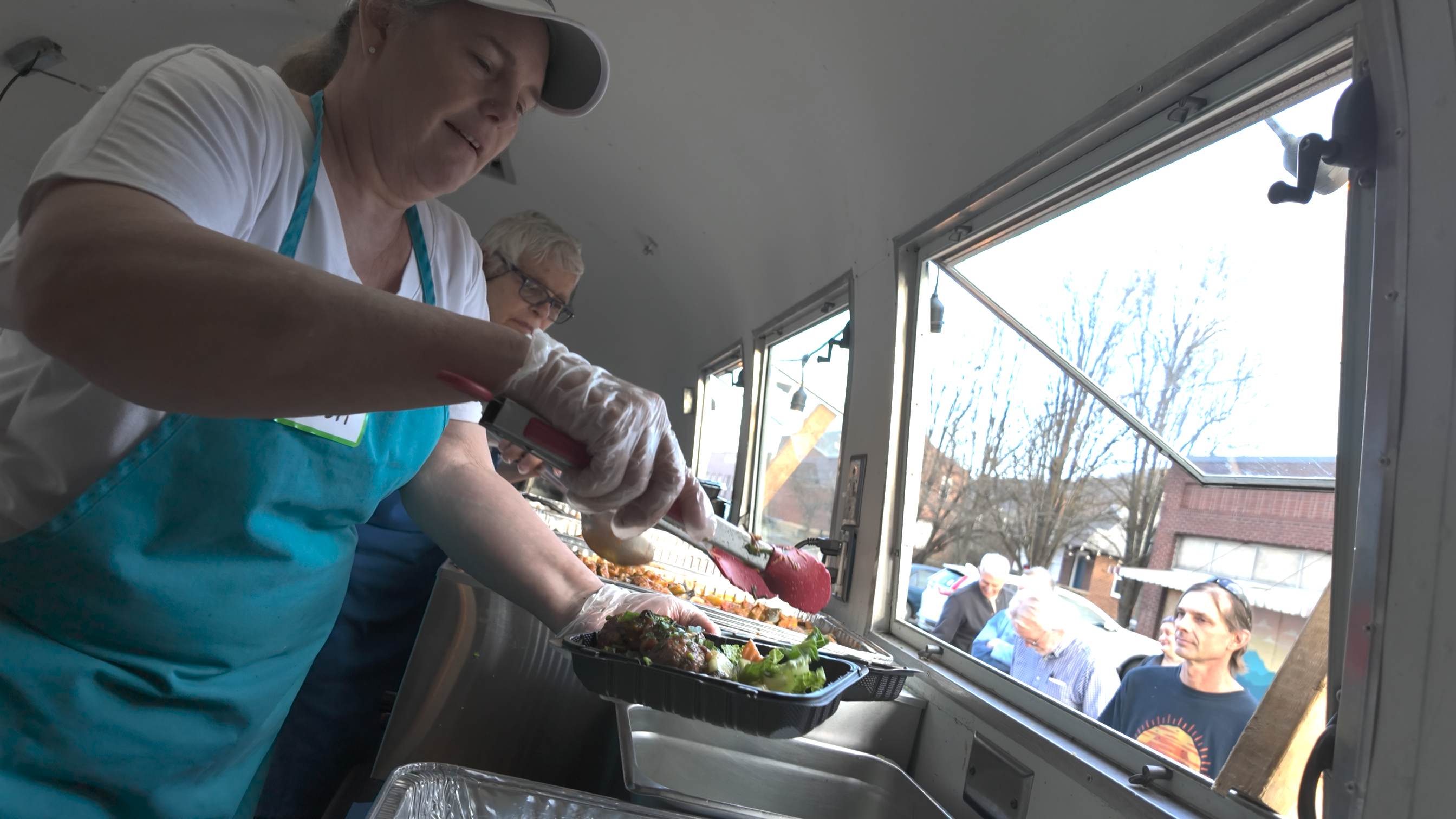
Not every disaster has a clear ‘home base,’ so sometimes response teams can’t either.
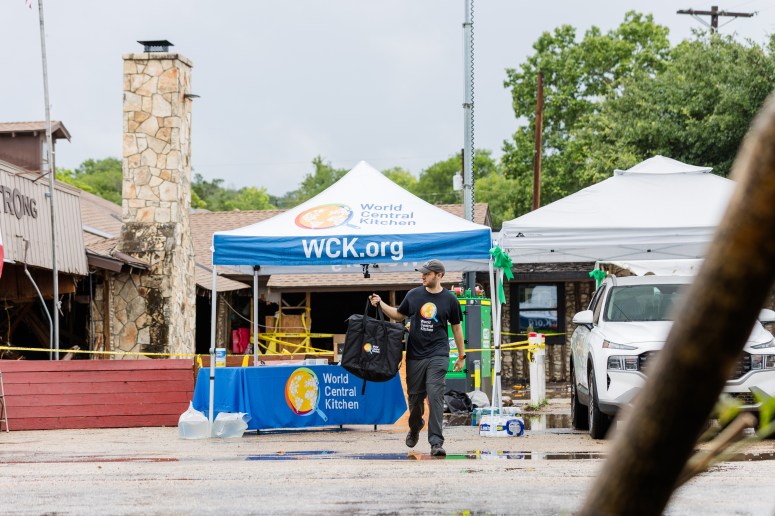
Our response to the tornadoes, dust storms, and wildfires that struck the Southeast in mid-March required its own special adaptation. While many of our responses have a clear epicenter, we responded across four states in mostly rural communities, meaning that we had no clear hub or home base.
Our Relief Team had to adapt to this new structure by leaning on community leaders–our superpower–as points of contact and advocates for their respective small towns. In Mississippi, community centers like Elliott Baptist Church became hubs for its neighbors to pick up hot meals. The team at Nancy’s Donuts instantly jumped to support, providing daily breakfast for the church to distribute. “We just make donuts,’ said owners Rob and Allison Holcomb, ‘but World Central Kitchen gave us the opportunity to make a difference right in our own backyard.”
Our Chef Corps members have also risen to the challenge and helped lead localized responses, including Chef Mike Johnson and his restaurant Sugarfire Smokehouse in Missouri. “To have the opportunity to serve the community as they recover from the tornado — it’s a great feeling to be in a position to help,” said Mike, who supported the small Missouri community of Florissant. During this response, we leaned heavily on our local restaurant partners and Chef Corps members like Mike, Rob, and Allison to be the centerpoint of their communities.


Disasters can compound mid-response. Be ready to transform day-to-day.
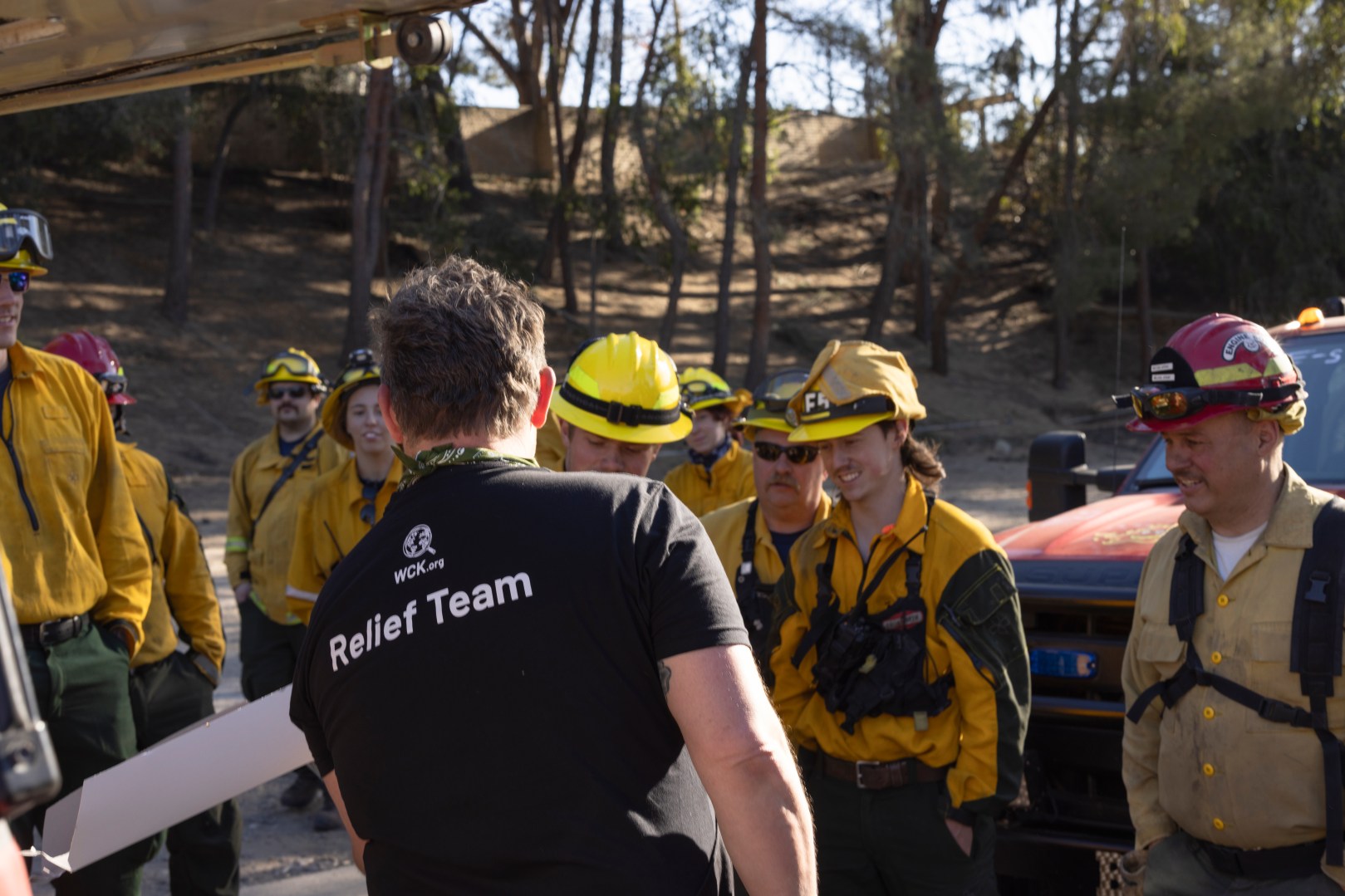
After over six months of our Hurricane Helene response in Western North Carolina, drought caused wildfires to ravage the same areas that had been submerged. Debris from the hurricane recovery exacerbated how the fire could spread. We pivoted our service approach to provide meals to first responders battling the blazes, in addition to continuing to serve meals to the communities we’d been serving since the hurricane hit.
As the nature of disasters changes, so do our responses. We’re adapting quickly to meet the needs of the people we serve across the US and worldwide. Our core model is what helps drive that adaptation—uplifting local communities makes disaster response more effective no matter the duration, location, or curveball.
Support our climate-related efforts