Meet the Palestinians working in WCK’s Gaza community kitchens
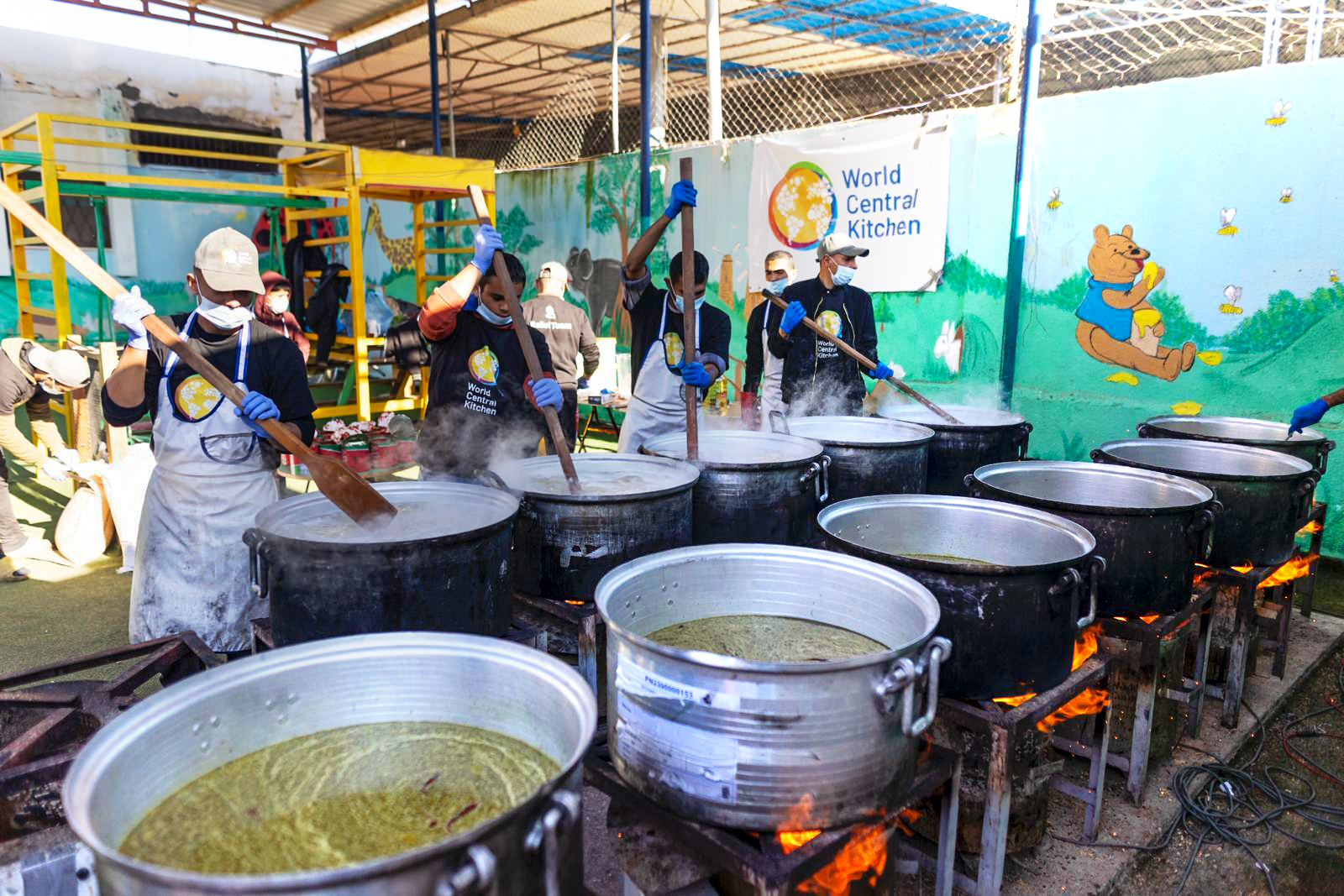
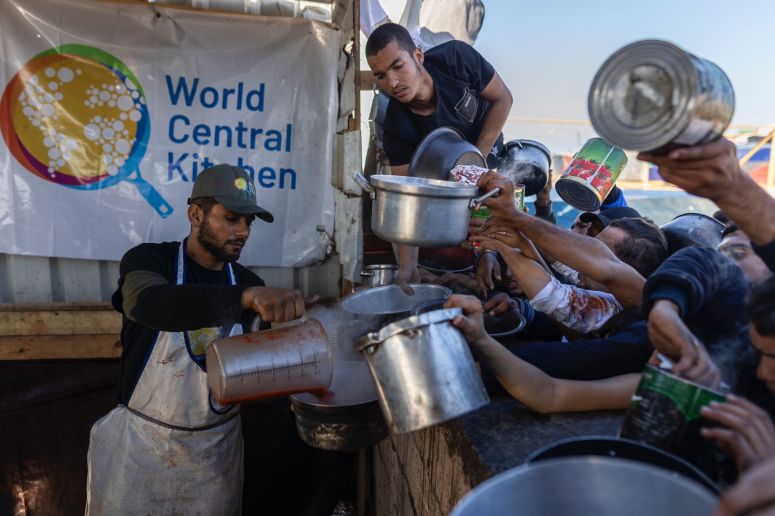
Since first responding to the conflict in the Middle East, World Central Kitchen teams have served more than 30 million meals in Gaza by establishing a flagship Relief Kitchen in Rafah and more than 60 community kitchens spread across Rafah, Khan Yunis, and Deir al-Balah. While our efforts center around our Relief Kitchen, we have also supported the establishment of a series of community kitchens across the south and middle of Gaza.
Nearly 400 Palestinians work in these kitchens, making over 170,000 hot meals every day. Their creativity and determination are helping to scale up our efforts and reach more families in need. At the same time, WCK teams from around the world are finding new and innovative ways to source kitchen equipment and ingredients.
Nelly is a member of WCK’s Community Outreach Team in Gaza. Working in a conflict zone is not new to her—she joined WCK’s #ChefsForUkraine response after her home country, Ukraine, was invaded by Russia in 2022. Nelly is part of the team that checks in with WCK’s community kitchens in Gaza to ensure they have what they need to succeed.
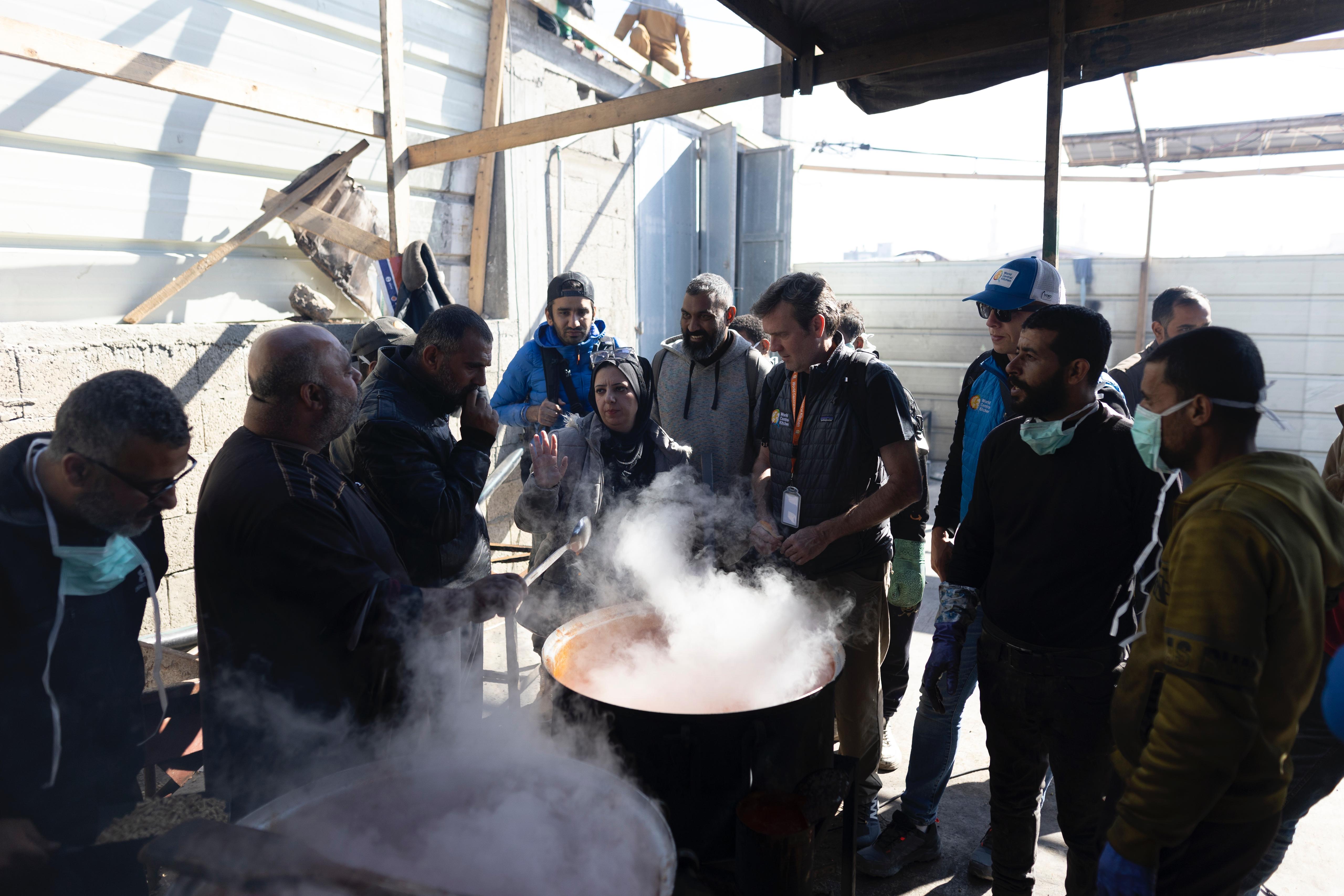
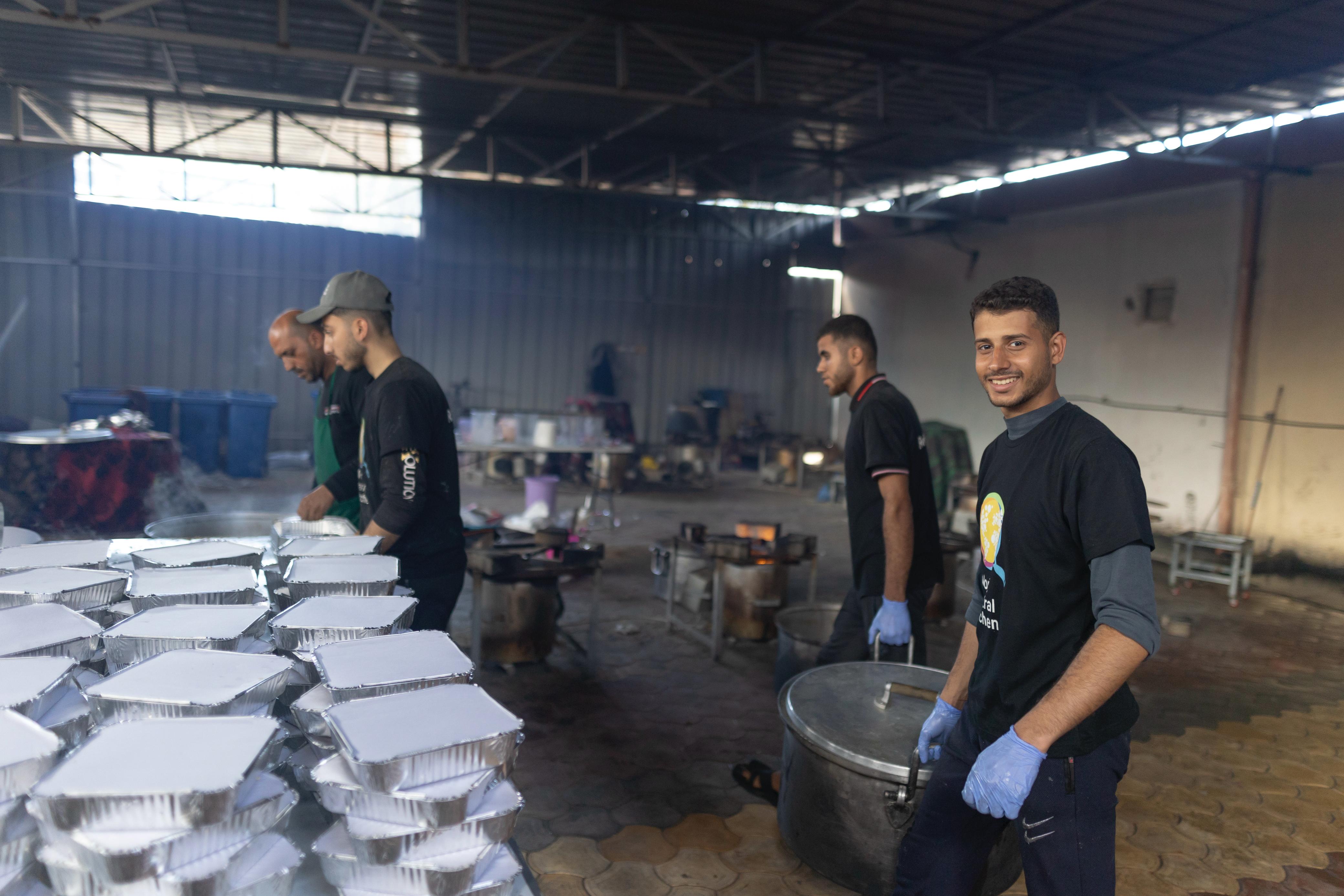
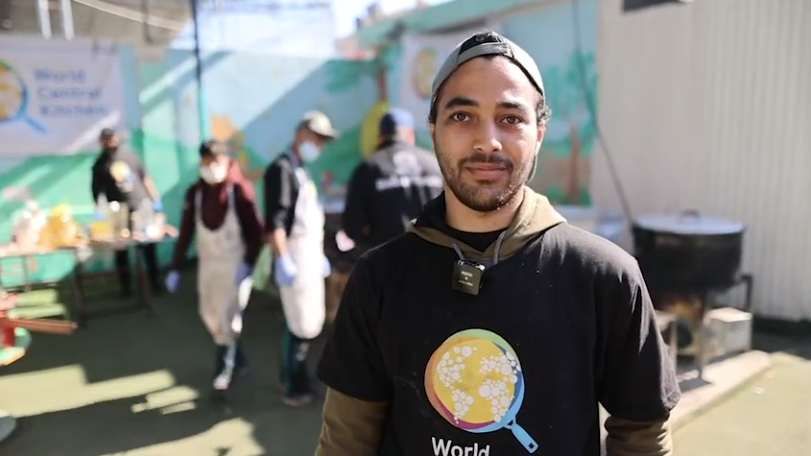
Scenes from WCK Community Kitchens in Rafah.
We followed Nelly through the streets of Rafah for a day while she did her check-ins, diving into how our community kitchen model works. Along the way, we also spoke with Tarek, Sayyed, Ziad, Saeed, and Abdul Rahman—just a few of the hundreds of Palestinians who are working tirelessly in WCK-supported kitchens. Read our conversation below.
Can you explain the WCK community kitchen model?
Nelly: The concept is that we are dispatching trucks from Cairo, Egypt that include all the necessary equipment to establish a kitchen within a community. The kitchens were designed to prepare about 1,800 meals daily. WCK provides everything necessary: equipment such as pots, stoves, utensils for plating, and then also ingredients for one week. We introduce our team to the community kitchen representatives—almost every organized community already has an experienced chef who can lead the kitchen—and we come together to work with them. Together, we figure out ways to continue feeding the community. They organize the resupply of the product and we work closely to maintain the relationship. The community is feeding the community and WCK is enabling and supporting.
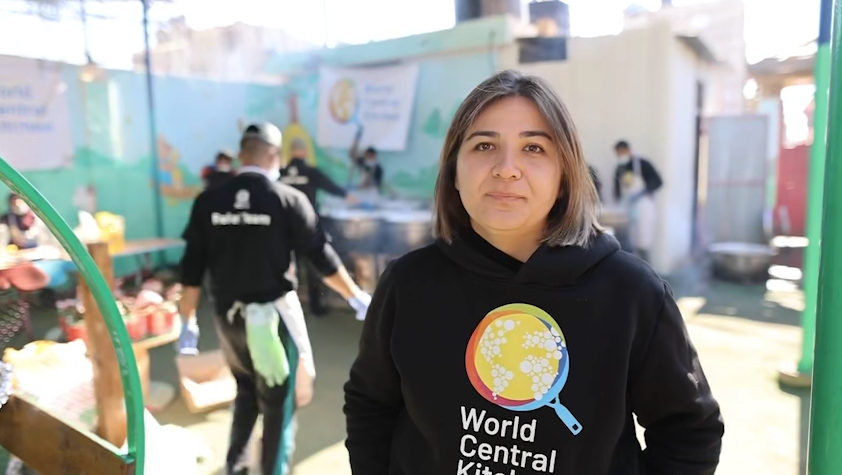
The community is feeding the community and WCK is enabling and supporting.
Nelly
WCK Community Outreach Team member
How is WCK working to scale our efforts?
Nelly: We’re still assessing where the most desperate need is, depending on where displaced people are seeking shelter or where it is hardest to access food. So the plan, initially, is to start with 100 community kitchens, currently we have already reached over 60. The plan is to continue looking at the geographical area, monitoring the situation because it’s very fluid, every day it changes, so the plan is to keep building these kitchens. We also go back to the communities where we’ve already established kitchens. We try to assess the situation: if they feel comfortable, if they are willing to cook for more people. We empower them to expand and bring more equipment so they can reach a bigger population.
Why are community kitchens important?
Tarek: We do daily lunches, hot meals that we serve to people in tents and camps. These people don’t have the basic necessities of life: no gas, no real cooking equipment, no money to buy these things. These meals we make help a lot, they provide the main meal daily to people.
Sayyed: What we do is the most important thing in the world, because people are hungry and we’re helping. Men and women are taking this food for their children and to their families.
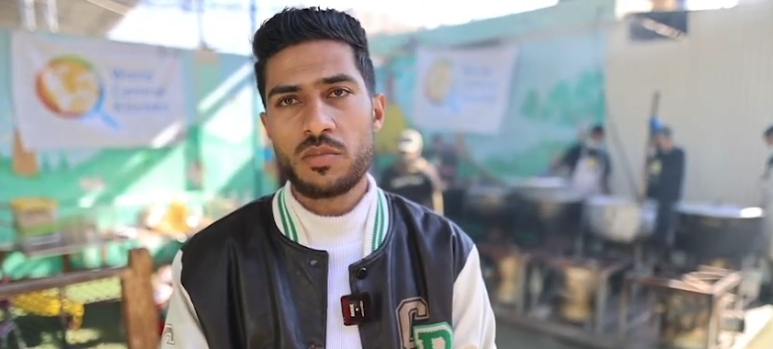
Left: Tarek | Right: Sayyed
How much food need have you seen?
Saeed: I have been working in the cooking profession for 30 years and I have never seen harsh conditions like those we are experiencing currently. I used to work as a volunteer in a kitchen in Gaza City, then I moved to the south and joined the WCK team. I have been working here for three weeks now with the team. I love my work for one reason, which is feeding people.
What is the hardest part of your work?
Tarek: I pass by the distribution areas every day, and see children and their hunger, adults and their hunger. The saddest thing is that once we distribute all the meals, someone remains not having gotten food. It is saddening and heartbreaking. There are large numbers of people and high demand and pressure on asking for food on a daily basis. So we have doubled the amount that we are making. We initially started with seven pots, now we are making thirteen pots. Now we are ambitious, we want to have the capacity to open a second kitchen, to increase the number of meals so that as many people can be fed as possible.

I love my work for one reason, which is feeding people.
Saeed
Team member in a WCK-supported community kitchen
How important is food at a time like this?
Nelly: The core goal and aim of WCK is to support people with hot meals and a moment of comfort in a desperate situation and this is exactly what we’re achieving with the community kitchens. The people in need are able to come to their community kitchen to receive food that is hot, plated, comforting, and is made by their own community. They feel support and connection not only with WCK, but within the community itself.
Ziad: People here eagerly await our presence. With us, food brings them immense happiness, and they miss us if we’re absent for even a day.
Abdul Rahman: People displaced from the north in the Rafah area don’t get any food at all, that’s us. We offer it as a symbol to them that we respect them and we are here for you and we are always here for you.
Learn more about our Middle East response here. For real-time updates, follow WCK on Twitter, Instagram, and Facebook.
Help our community kitchens keep cooking.