The Right to Food
This article was originally published in Semafor on April 13, 2026. It is republished here with permission.
The most important source of energy in the world is not oil and gas. It’s food. Energy for people is even more important than energy for machines.
The oil tankers trying to pass through the Strait of Hormuz are critical for the world economy. But while economists and politicians focus on the price of gasoline, they are missing the impact on global food supplies. From higher fertilizer prices to higher transport costs, the war in Iran is a seismic event that is shaking food markets across the world.
In wealthier countries, consumers face rising prices at supermarkets. But in places already devastated by war, those higher prices quickly lead to more hunger.
Our values cannot simply be measured by the price of Brent crude. While the eyes of the world are locked on Iran, we cannot forget the most fundamental of human values: the universal right to food and water.
In Gaza today, there are two million people who rely on international aid to feed their families and survive from day to day.
While the worst of the Hamas-Israel war is over, their suffering has not ended. The vast majority live in flimsy tents or makeshift shelters, with no reliable supplies of the essentials for life — and very few sources of income.
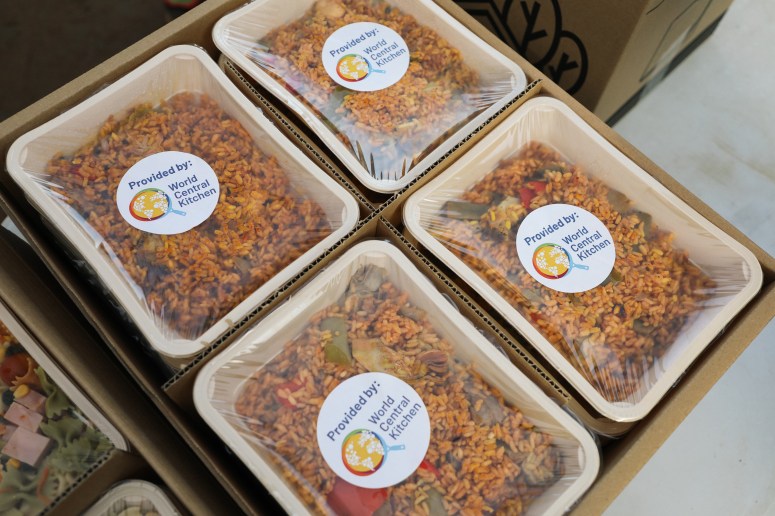
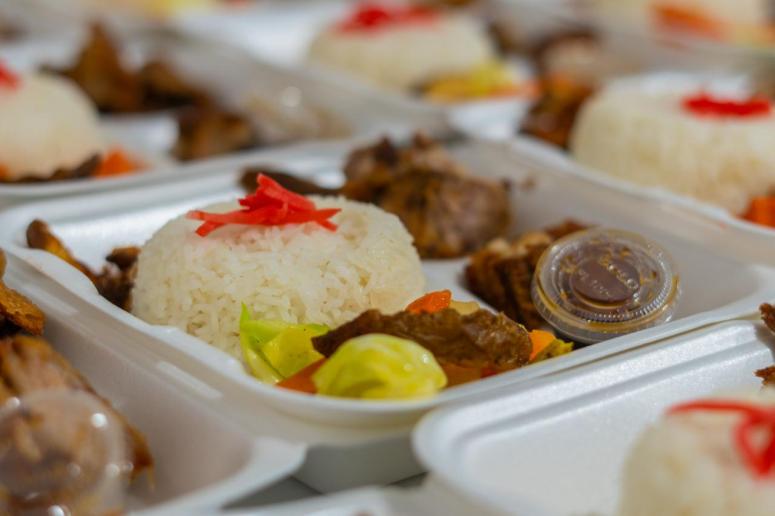
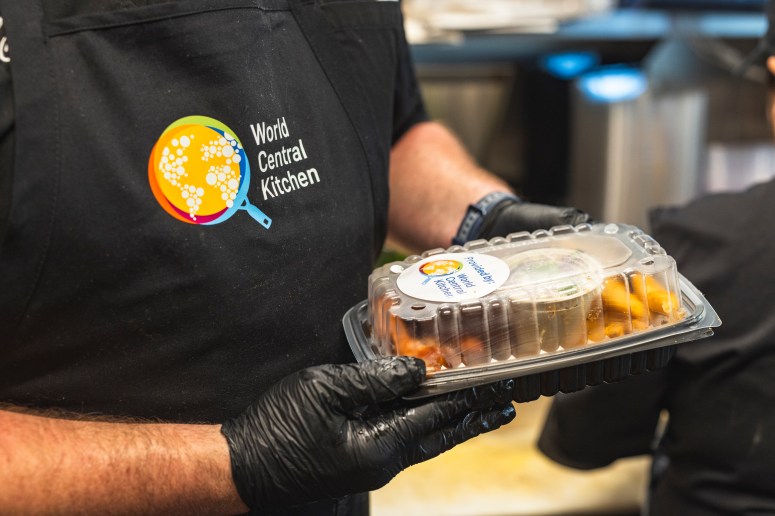
Over the last two and a half years, World Central Kitchen has served more than 313 million meals in Gaza, reaching as many as one million hot meals every day — the equivalent of half the population of the strip.
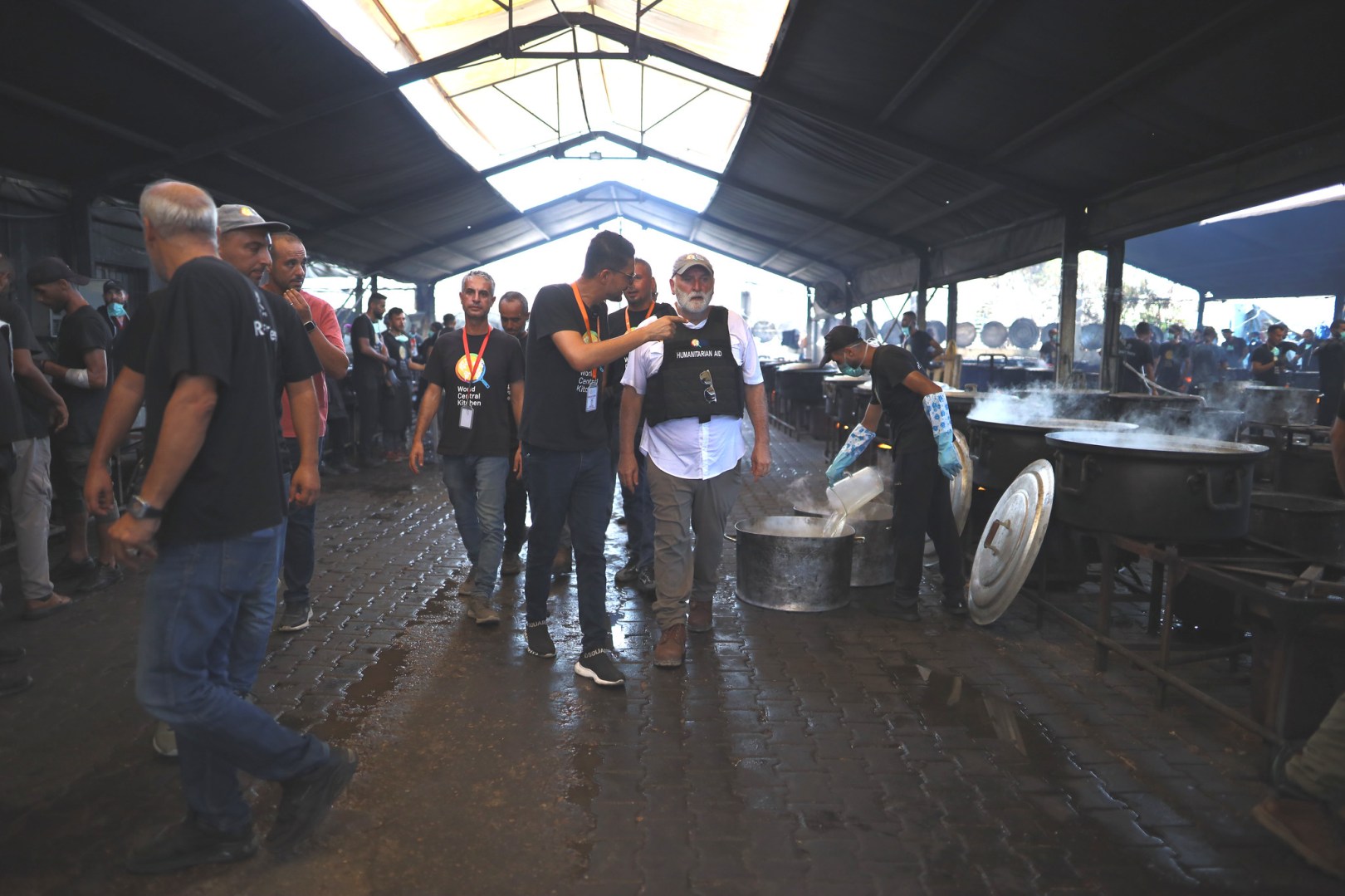
We have a proven and trusted model of Gazans feeding Gazans, building community and leadership that has earned the confidence of all sides, in some of the most challenging conditions on the planet.
We have employed thousands of people in Gaza, investing more than $500 million, supporting our own teams and suppliers, their families, and the local economy. Every dollar spent inside Gaza is a dollar that multiplies as it is re-spent.
Our model is the most effective feeding operation inside Gaza today, working through more than 60 community kitchens, our own large field kitchens and mobile bakeries, as well as restaurant and bakery partners.
However, it is not sustainable for a single non-profit, funded overwhelmingly by small private donations, to continue feeding in such huge numbers — day in, day out, for months and months on end.
The war in Iran has pushed up our costs significantly. The price of rice has risen by 30 percent, while the costs of chicken and meat have spiked between 10 and 20 percent.
We rely on gasoline to deliver supplies into Gaza and transport meals across the strip, and higher gas prices have affected our operations too.
The world needs to step up to fund humanitarian aid across Gaza.
Aid groups cannot bear this burden on our own, through small donors. We need to operate swiftly at scale, without the uncertainty of funding shortfalls and bureaucratic obstacles.
As a result of these higher costs and the need for more funding, we are being forced to reduce substantially our feeding operations in Gaza.
We do not take these decisions lightly.
We will keep cooking and feeding in Gaza, focusing on those most at risk. We cannot and will not turn our backs on hungry people. But we also must face the financial realities that force these cutbacks.
There are consequences to the international community’s loss of focus on the heart of the Middle East.
In Lebanon, the destruction of the latest round of the Israeli-Hizbollah conflict has displaced more than a million people, who now need support for food and shelter.
We stand ready to ramp up our feeding as soon as possible. Our model is cost-effective and stress-tested.
Above all, it’s built from within Gaza, not imposed from outside, demonstrating self-reliance not dependency.
Still, the people of Gaza cannot wholly fend for themselves. They need the help of the international community, and they need it now. Turning a blind eye to Gaza is an active decision, and its consequences will be immediate and visible.
We may not be able to end the region’s conflicts tomorrow, but we can end the hunger today.
José Andrés, WCK Founder

Help Us Keep Cooking For Families in Gaza