Watch The Power to Heal: Chef José Andrés and Dr. Denis Mukwege on Humanitarian Crises
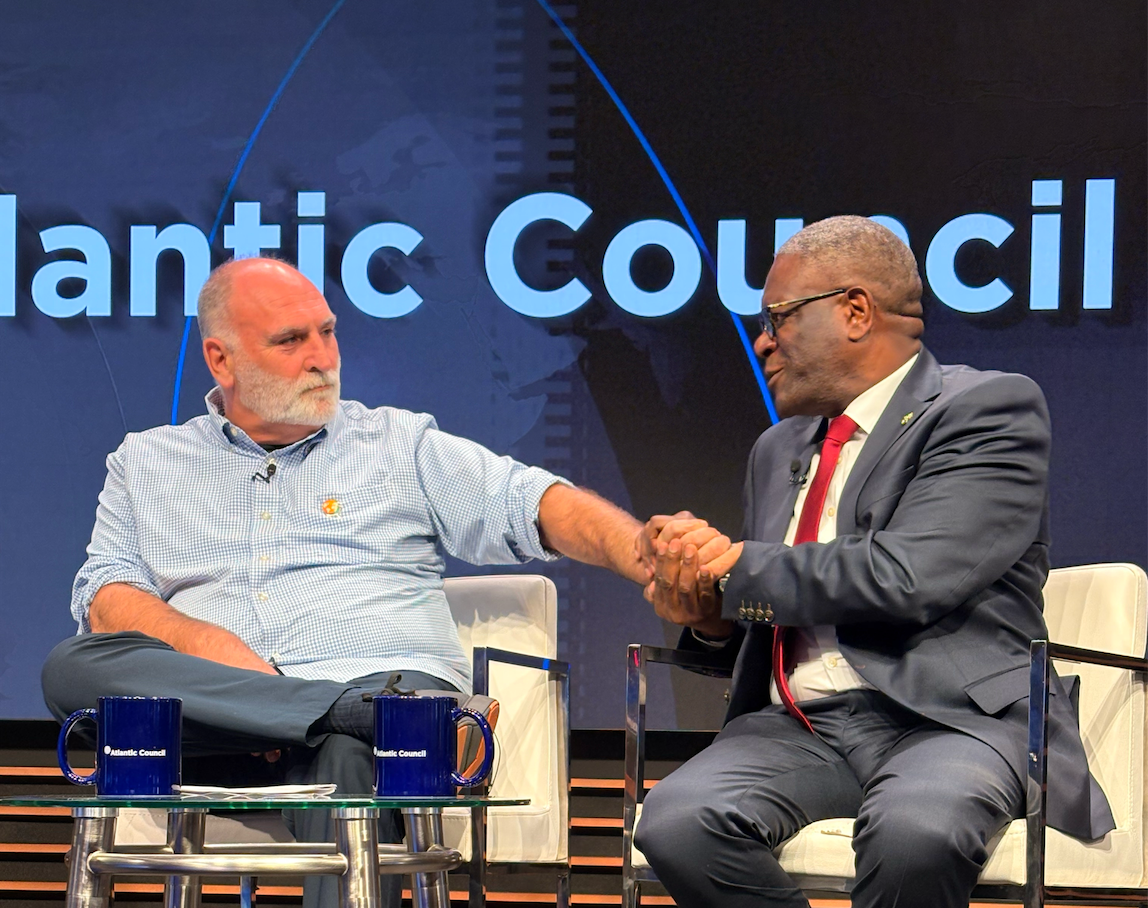
One is a cook. The other is a healer. One brings food to people in crisis, the other has spent decades treating some of the world’s most heartbreaking wounds. When Chef José Andrés and Nobel Peace Prize laureate Dr. Denis Mukwege sat together for the very first time last week, the conversation revealed a common ground: sometimes healing starts with a scalpel, sometimes with a plate of food—but neither ends there.
Over 300 people filled the Atlantic Council’s auditorium, the largest audience the organization has ever had for a conversation like this, with thousands more watching online. Together, the founder of World Central Kitchen (WCK) and the founder of Panzi Hospital and the Panzi Foundation in the Democratic Republic of the Congo (DRC) reflected on decades of humanitarian work, and on the unexpected ways food and medicine can work together to help communities heal. That connection is more than an idea: working together on the ground in the DRC, WCK and Panzi have served hundreds of thousands of meals to patients, caregivers, staff, and families.
Two different callings, one shared conviction
Dr. Mukwege opened the conversation with the story of the day everything changed for him. After opening Panzi Hospital in Bukavu, DRC, to bring down maternal mortality rates, his very first patient was a woman who had survived an act of extreme sexual violence. “The operating room was not the place to change the situation of women in the country,” he realized. “A surgeon can close a wound, can treat the body, but he can’t treat the impunity.”
Chef Andrés traced his path back to watching his parents, who were both nurses, work hospital shifts, and to D.C. Central Kitchen founder Robert Egger, who told him that “philanthropy seems it’s always about the redemption of the giver, when actually philanthropy must be about the liberation of the receiver.”
That idea, combined with his experience responding to the 2010 Haiti earthquake, became the foundation of World Central Kitchen: “The only thing [we] needed was people. It’s always people… You do one plate. And then you do 100. And then you do 1,000. And then you do 1 million a day.”
A plate of food is never just a plate of food
Throughout the conversation, both men returned to a simple idea: meeting a physical need is only the beginning of recovery.
“A plate of food obviously is more than just the nourishment that the body needs,” Chef Andrés said. “A plate of food sends the message that we see you, we care for you, we love you, and we’re going to be next to you every day until you can take care of yourself, on your own.”
That same philosophy is at the heart of Panzi’s model, where patients are treated through four pillars: medical care, psychological support, socioeconomic reintegration, and legal assistance.
“Treating patients without feeding them is just a kind of intoxication,” he said. “You are giving them medicine, but you can’t feed them. World Central Kitchen came to support what we do at Panzi and [has] made our work better for the patients.”
A partnership on the ground in the DRC
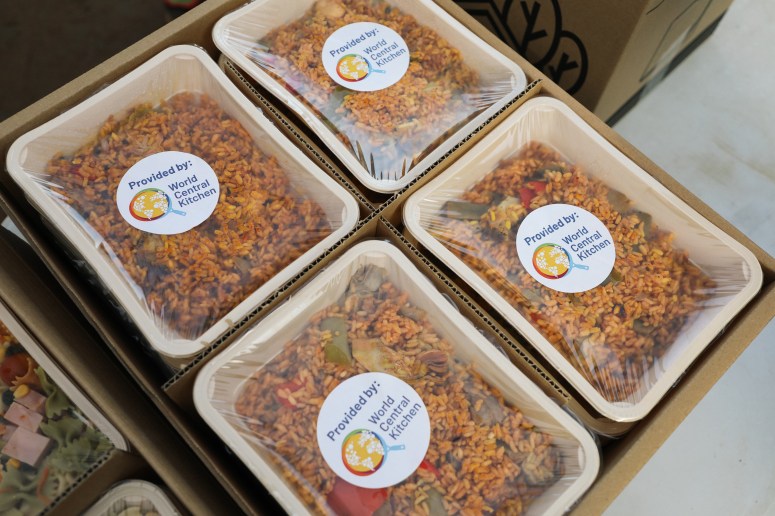
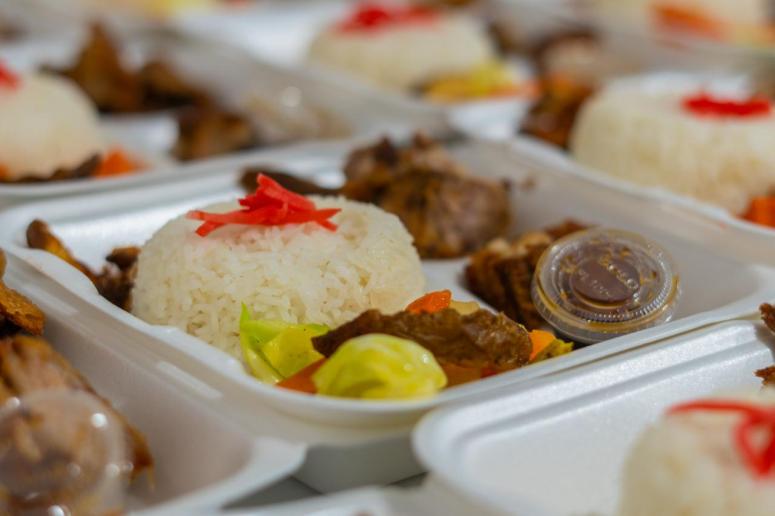
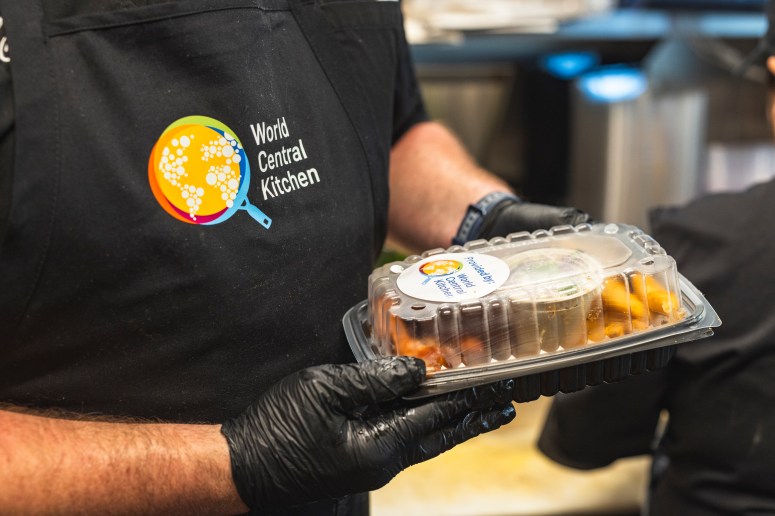
Working alongside the local NGO Good News for Africa, WCK has delivered more than one million fresh meals to patients, caregivers, staff, orphans, and displaced families since launching our response earlier this year in the DRC. Our ingredients are sourced from local farmers and fishermen, which keeps the response rooted in the community it serves. It’s a case study in WCK’s model: showing up fast, working with what’s already there, and never trying to reinvent what local organizations already do best.
Looking forward with hope
When asked what he would tell young people trying to hold onto hope, Dr. Mukwege was resolute: “Don’t despair. Don’t lose hope, because it’s a choice. If you decide to lose hope, it means you are keeping silent… The future is in their own hands, and their destiny is in their own hands.”
Chef Andrés closed with a nod to 19th-century food philosopher Jean Anthelme Brillat-Savarin: “The destiny of nations depends on how they feed themselves. That’s why food is a healer. He’s a healer, and I’m a cook, and healing is how we are going to create a better world.”
Support our efforts in the DRC