Your Gaza Questions Answered | Updated May 2026
We know the situation in Gaza has left our World Central Kitchen community with a lot of questions. We want to try to give you all the insight we can from our on-the-ground operations. These answers reflect the most accurate information available about our work in Gaza as of May 20, 2026. To date, our teams have served more than 360 million meals to families in need. The situation on the ground changes rapidly—access, needs, and operations can shift day to day. We are committed to sharing clear, up-to-date details about our response. You can always find more about our operating status and recent work here.
Is WCK actually getting food into Gaza?
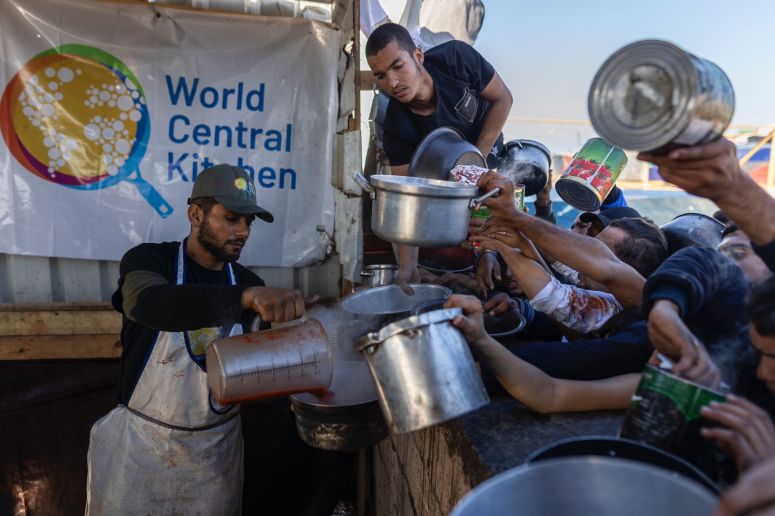
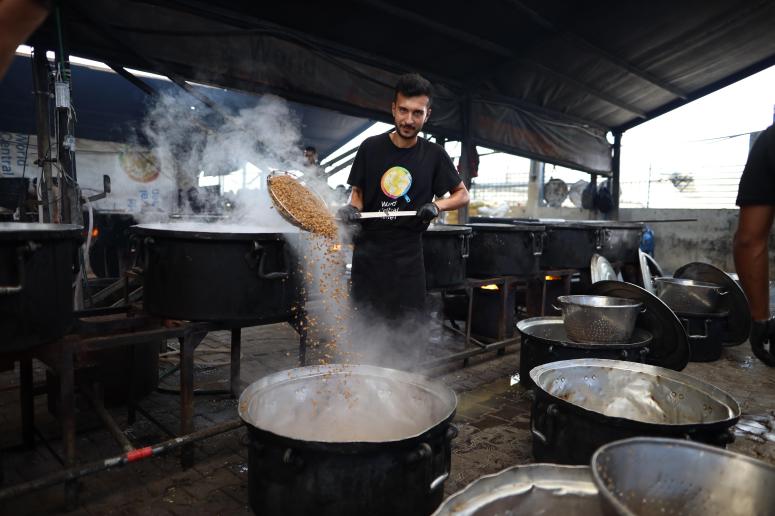
Yes. WCK is still cooking and delivering hundreds of thousands of hot meals every day to families in Gaza—one of the largest food relief operations anywhere in the world. However, we are returning to the level of meals we were delivering before the ceasefire in October. This decision is driven entirely by financial pressure. It does not reflect any reduction in need on the ground.
Since the start of the conflict in 2023, WCK has invested more than half a billion dollars feeding the people of Gaza. Late last year, in direct response to the collapse in food access triggered by the border closure, we surged our operations to one million hot meals a day. Sustaining that level of output is not something any single NGO can do indefinitely. WCK is funded entirely by private donations, most of them from small donors. That model gives us the speed and flexibility to respond to crises around the world—but it also means our capacity has limits.
Though the conflict in Iran and the broader region has threatened border crossings into Gaza, WCK is currently receiving just enough trucks to sustain our operations. But as our founder José Andrés has said: “Every day we need more trucks and more food so we can keep feeding hungry families. We need a constant flow of food and fuel. Every day. This is the lifeline for Gaza and it needs to stay open.”
What does WCK need to constantly serve meals in Gaza?
Unrestricted humanitarian access is essential to meeting urgent needs at scale. Consistent, predictable access saves lives.
But access alone is not enough. WCK specializes in emergency food relief, not long-term food security. The long-term responsibility of feeding Gaza cannot rest on the shoulders of one organization alone. Governments, institutions, and international partners need to commit the sustained, secure funding that this crisis demands. The people of Gaza have lost their homes and their economy. The world must step up—not just talk about the plight of the Palestinians.
What is the current level of need in Gaza?
Though improved relative to the situation prior to the current ceasefire, the level of need in Gaza remains acute. Families are facing severe challenges to food and nutrition security, displacement, and limited access to basic services after months of crisis.
How has the ceasefire in Gaza affected WCK’s work in Gaza?
The ceasefire in Gaza allowed WCK to deliver aid more consistently and with far fewer interruptions than in previous months. Reduced insecurity has made it possible for our teams and partners to move food, supplies, and staff more reliably, ensuring families can depend on daily meals.
So now you’re able to cook and serve meals like before the 2025 restrictions?
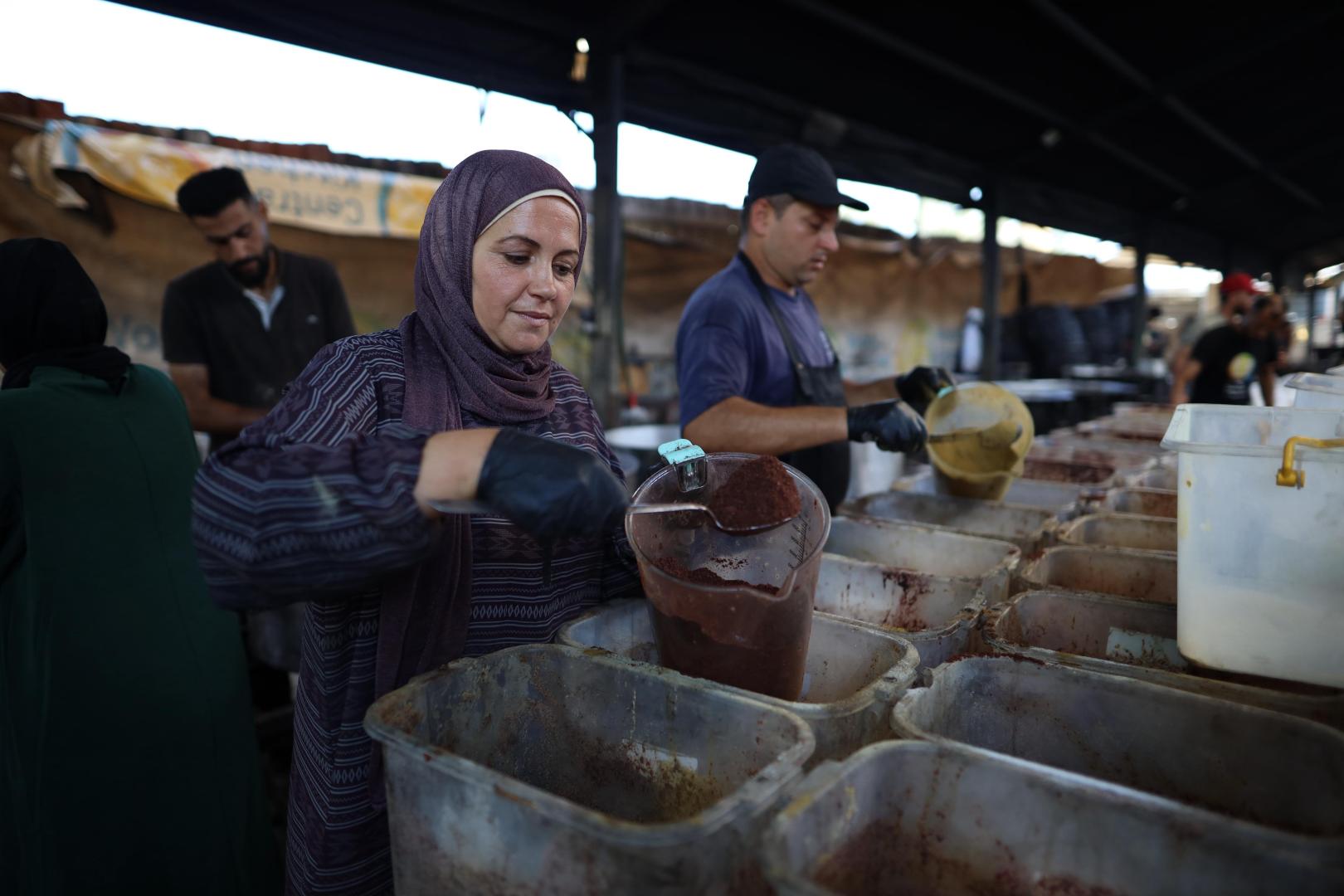
We are cooking hundreds of thousands of meals every day, as many meals as our financial constraints allow. This is possible thanks to the tireless efforts of teams at our Field Kitchens and our network of Community Kitchens.
How has the peace process affected WCK’s work?
We continue to await further phases of the peace process and look forward to our teams remaining deeply committed to supporting families as they begin the long road to recovery. But the need for reliable food support, local employment, and community-led solutions remains critical. It is also important to remember that when further progress toward peace in Gaza is achieved, it does not mean an immediate reduction in need.
What are the biggest challenges your teams face?
Financial sustainability is now as significant a challenge as operational access. WCK—funded overwhelmingly by private donations—cannot sustain this effort indefinitely without broader institutional support and the financial challenges we face are worsened by rising food and fuel costs driven by the conflict in Iran.
What is the impact of being able to cook on the WCK team?
In the words of our Response Director for Gaza, Wadhah Hubaishi: “Every meal represents a family that can breathe a little easier. The determination and strength our teams and partners show every single day to reach that goal is extraordinary, and it reflects the spirit of WCK: showing up, together, when it matters most.”
Support Our Efforts in Gaza