From Farmers to Fishermen, How WCK is Sourcing Locally in the DRC
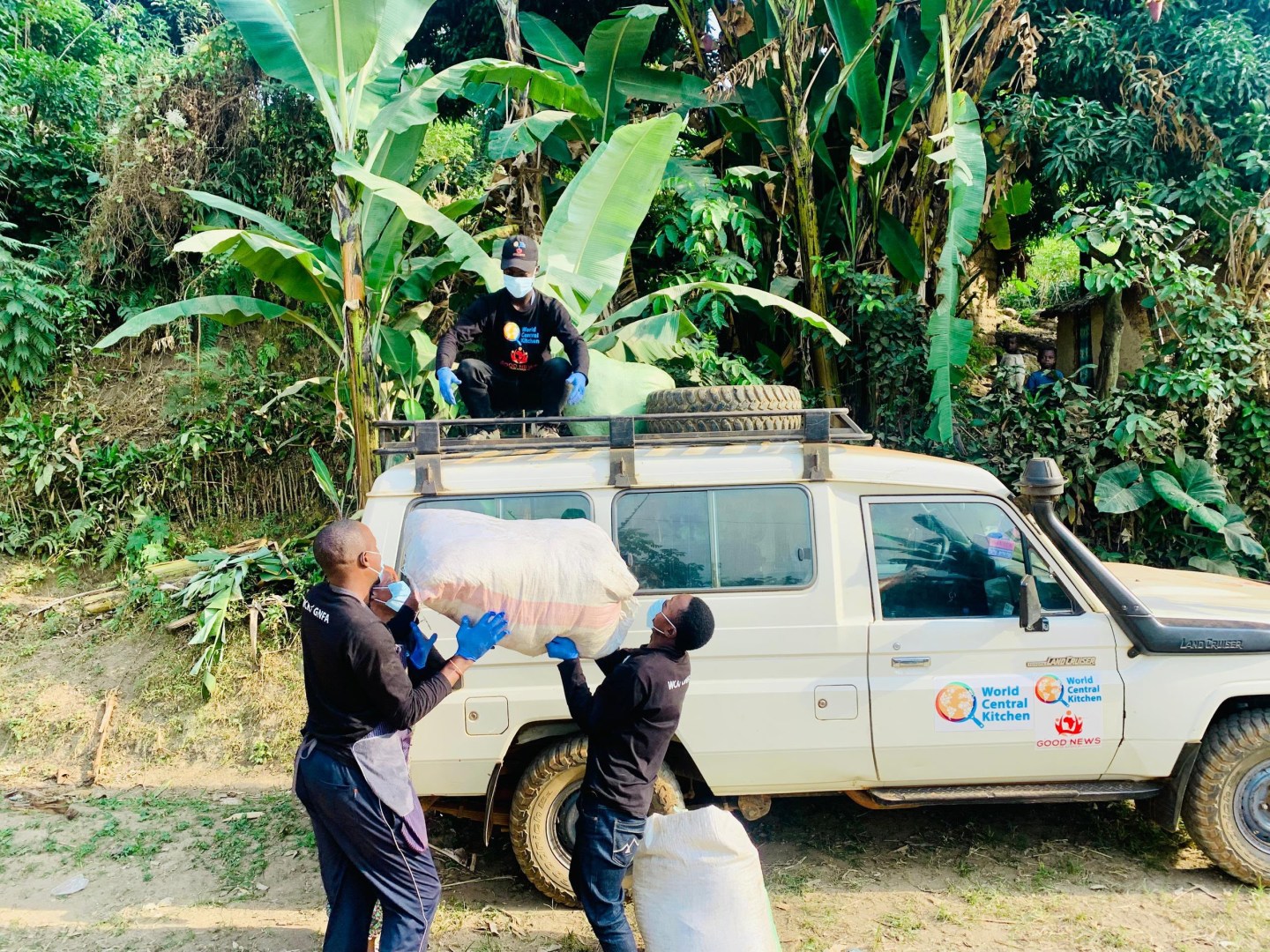
At World Central Kitchen, we say that communities are our superpower. In the Democratic Republic of the Congo—where we have been working with local NGOs Good News for Africa (GNFA) and Panzi Hospital since early this year, this is no different.
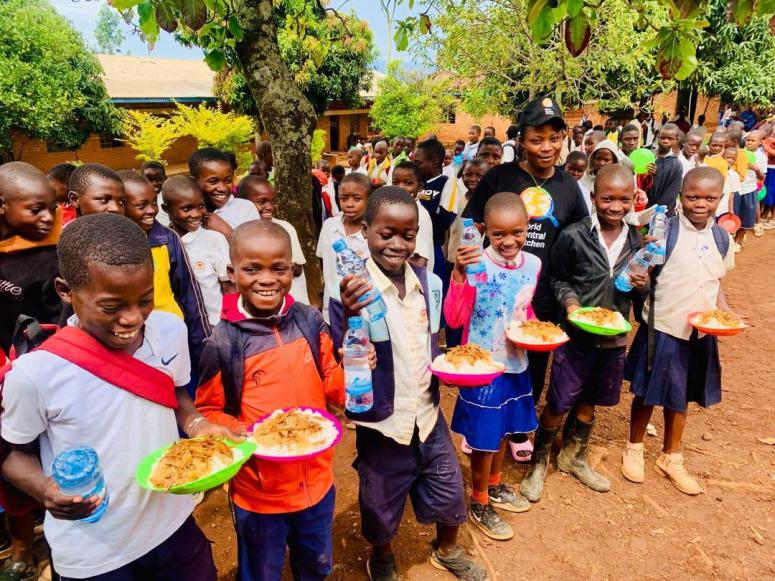
Since our operations began, WCK and our partners have served more than 670,000 hot meals to orphans, schoolchildren, and families impacted by conflict and the Ebola outbreak. Every day, we collaborate with communities by establishing relationships with farmers, fishermen, and firewood collectors. We began our work in the DRC by supporting recovering patients and healthcare workers at Panzi Hospital. Soon after, we expanded to work closely with GNFA to reach young children impacted by conflict.
The shift to buying hyper-locally from nearby producers started this April. One of our recipes called for eggplant, but there weren’t any at the Kalehe street market because our main vegetable supplier, Madame Busira Buranga Aimée, did not have the money to pay people to help her harvest. That’s when the founder of GNFA, Didier Balagizi, sent his team to speak with her directly. “Since then we started buying vegetables from her, and she introduced us to other farmers. That is how the change began,” he said. By sourcing directly from Madame Busira, she was able to get the resources necessary to help support her harvest, and that harvest was going directly back into the local community.
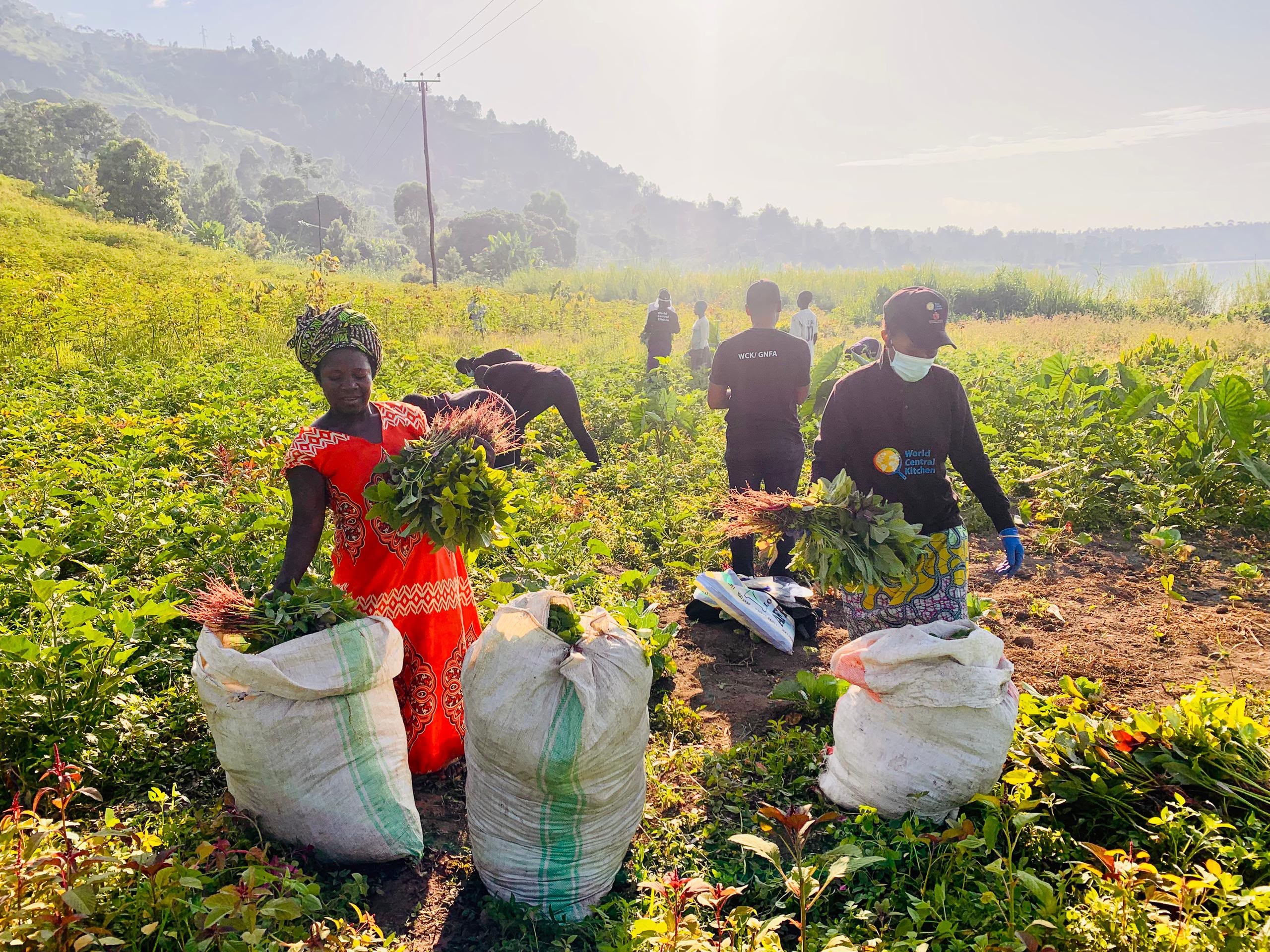
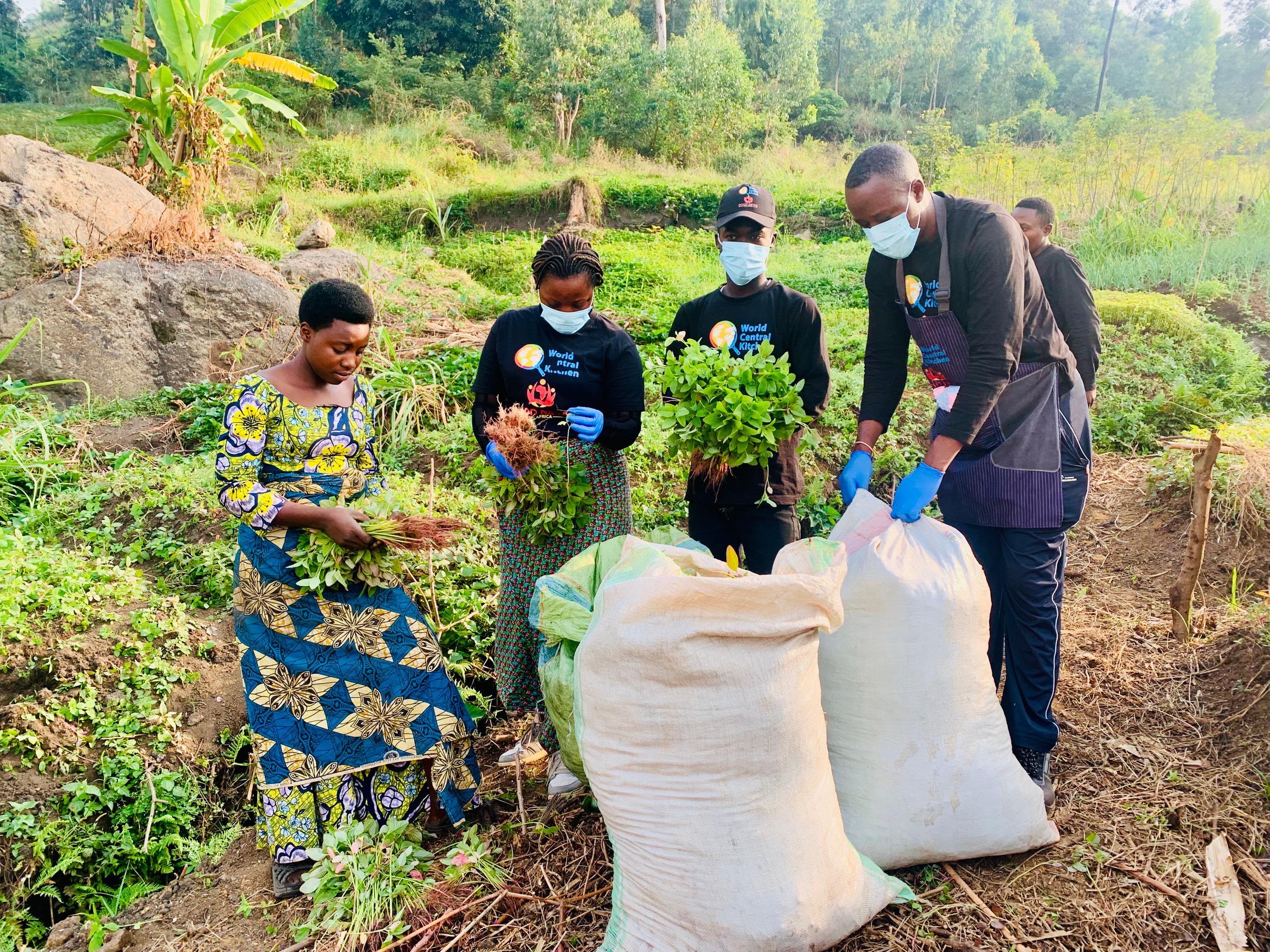
Madame Busira is a farmer based in Luzira, Kalehe Territory. She shared how difficult it has been not only to find buyers for her vegetables, but also to harvest her crops and make the journey to market because of the ongoing insecurity.
Sign up to WCK’s newsletter for more updates
Through this partnership, WCK is able to access fresh produce, pay our partners faster and more reliably, support local producers, and allow community members to help each other.
Madame Busira shared that working with WCK has helped her cover the costs of her children’s university and high school educations. “It also brings me other work. When I get paid, I pay other farmers who help me with the cultivation. We use the money for a few activities at home and we eat well,” she added.
In the DRC, the main sources of protein we focus on are fish and beef, and we have consequently built strong relationships with both fishermen and livestock farmers.
Janvier is a fisherman based in Luzira, Kalehe. Early in the morning before kitchen operations begin, WCK and GNFA volunteers meet up with Monsieur Bukula and buy sambaza—sardine-like freshwater fish—directly from him.
Sambaza is a beloved fish that can be hard to come by. Including it in our meals and recipes has brought a lot of joy to our recipients.
“[WCK and GNFA] buy my catch directly at the fishing site and pay me on the spot. Instead of having to travel kilometers every day to sell my products, I sell everything right at the lake.,” said Monsieur Janvier.
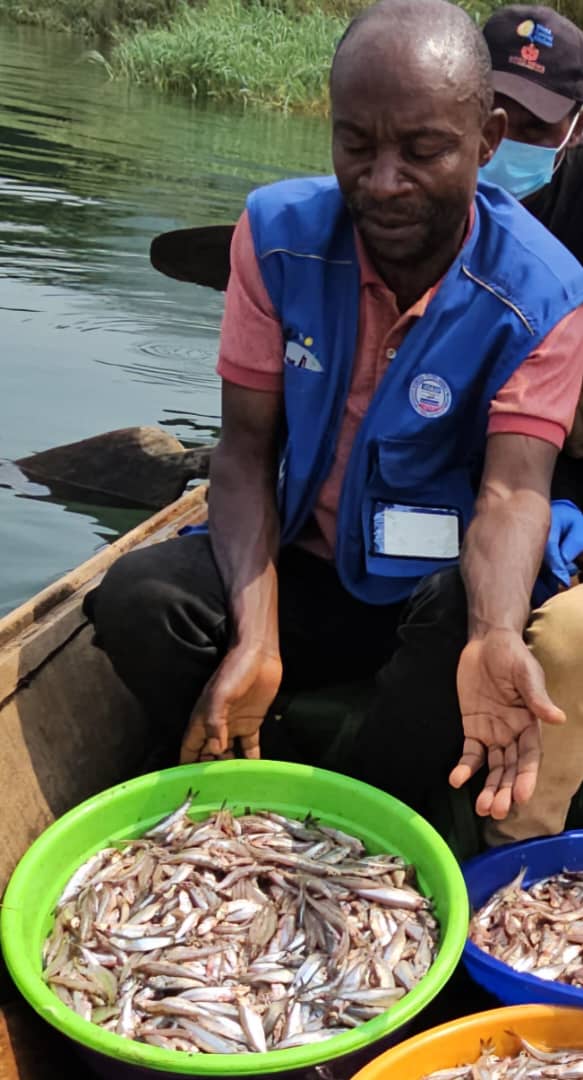
Through this model, Monsieur Janvier was also able to join the village savings and credit associations. He also shared his happiness that the people who eat his Sambaza are from his Kalehe community.
One of our livestock farmers, Daniel, says that he is glad to be a part of the positive impact on the region. “I am delighted to know that this product directly feeds children in the community.”
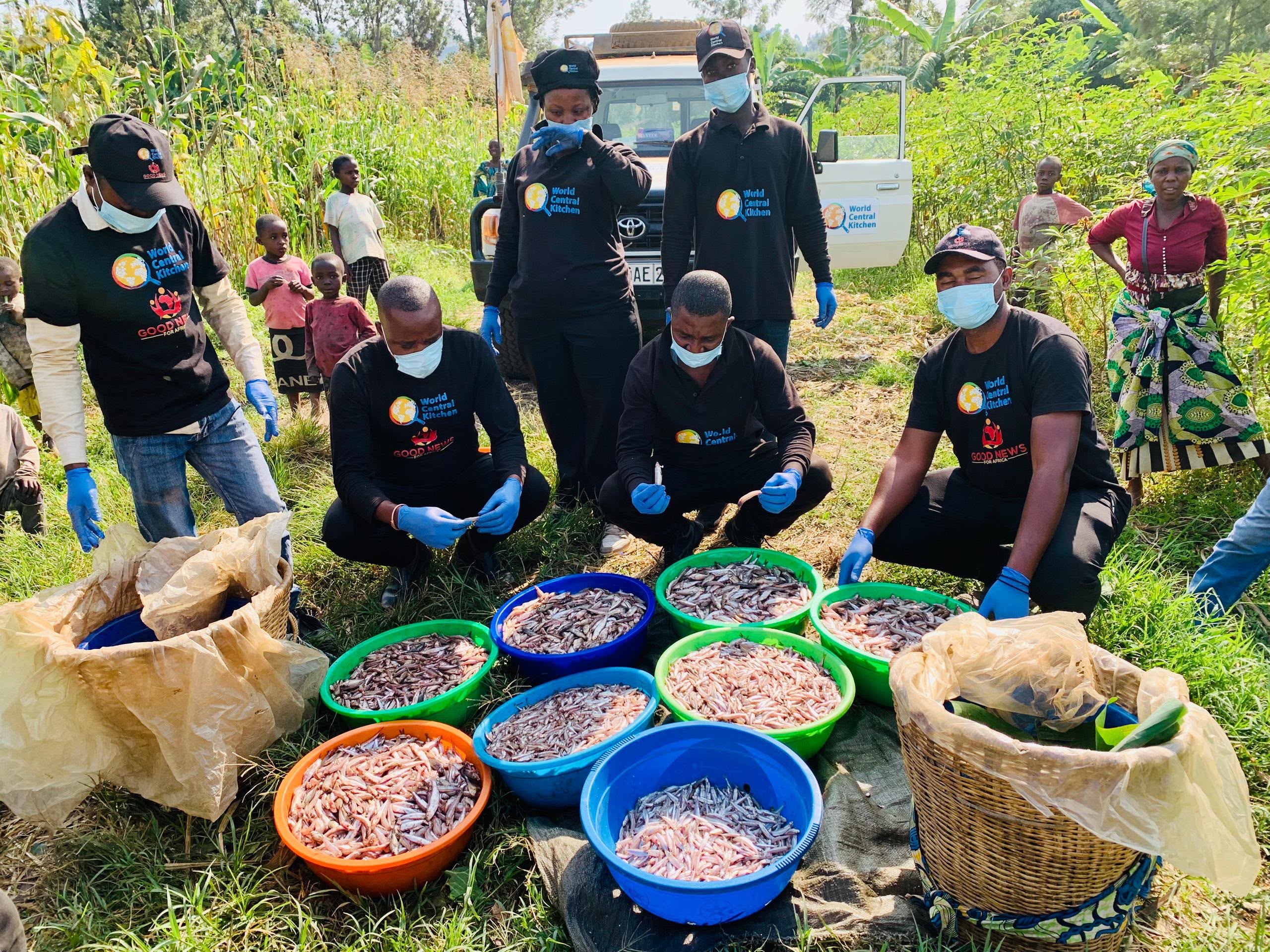
Balagizi highlighted the importance of supporting local farmers, fishermen, and even firewood collectors from whom we have been buying wood. “It helps stabilize availability and prices for the communities we serve, builds relationships and trust with producers, and reduces reliance on distant intermediaries, especially during difficult periods of Ebola outbreaks and conflict. For these reasons, [we] will continue to prioritize local purchasing,” he said.
At WCK, we build strong relationships with communities, understand their needs and support their systems, products, businesses, and people; whether that means buying sambaza on site or buying bulk produce so farmers are paid quickly. By establishing relationships with local businesses, not only is our work made possible, but it also strengthens local economies, supports families, and builds sustainable systems that outlast crisis.
Support our efforts in the DRC