Wildfire Emergency Food Relief: Inside WCK’s Growing Global Response
Three days putting out fires around your own house. A vehicle gone. A storage unit gutted by smoke. And a text from your neighbor that started it all:
“You have to hurry up. It’s already on fire.”
Brisa Lopez is the owner of Tacos Casa, a beloved Altadena catering and pop-up restaurant specializing in authentic Mexican cuisine. The Eaton Fire devastated her kitchen and nearly put her out of business.
Brisa’s story is not an exception. From the Los Angeles fires that destroyed Brisa’s home to the blazes in Türkiye, wildfires are growing more frequent, more intense, and more destructive. The conditions that fuel them: drought, extreme heat, and high winds, are becoming the norm rather than the anomaly. Communities that never imagined facing this threat now find themselves in its path.
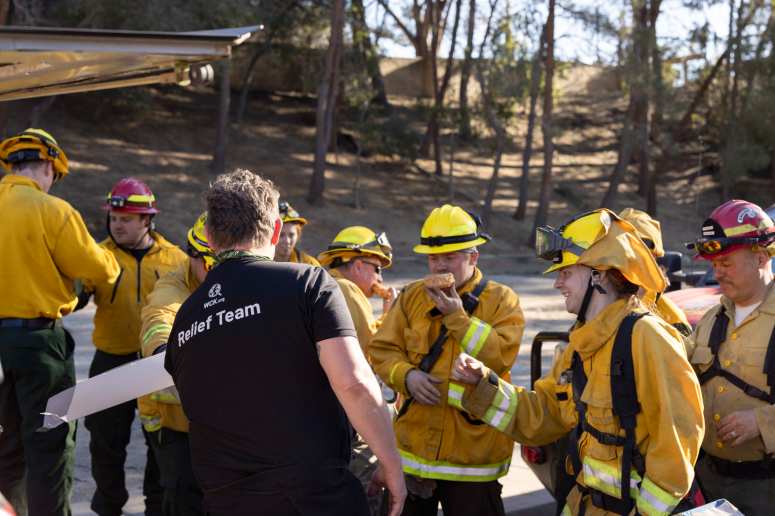
Since our founding, WCK has developed a proven disaster relief model built for exactly this kind of moment—one that has been deployed across wildfires, hurricanes, earthquakes, and conflicts worldwide. As the climate changes, so does the frequency of the call. WCK answers it.
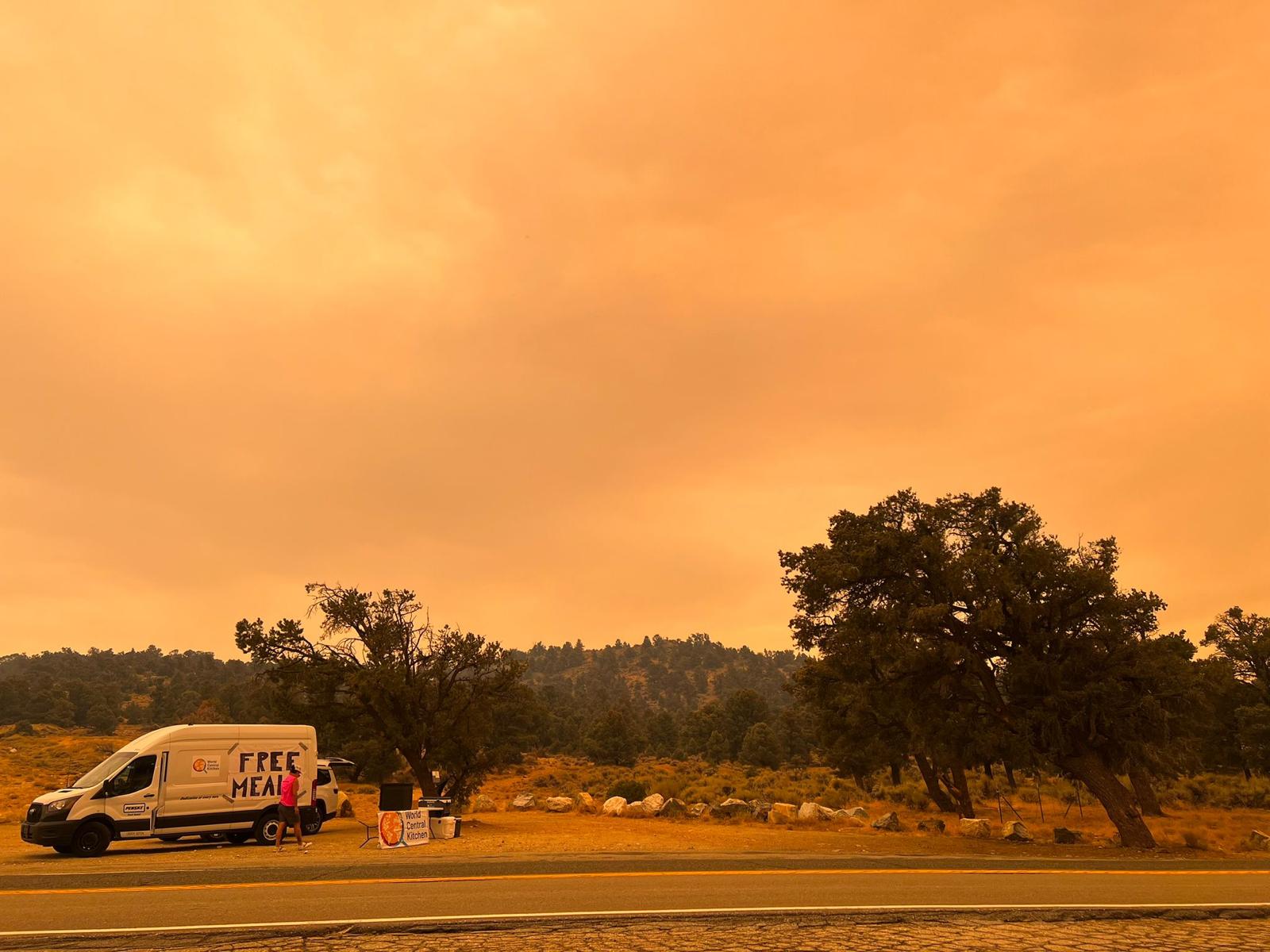
The data from WCK’s wildfire responses since 2017 paints a clear and sobering picture: the fires are getting bigger, more frequent, and more global. Across nearly a decade of wildfire responses, WCK has served 3 million meals in 7 countries, including communities that never imagined they would need emergency food relief from a blaze.
Of our more than 50 wildfire responses since 2017, 20% occurred since 2025. The number of communities in need is growing from Canada to Greece. Compounding the issue is that multiple blazes are igniting at the same time. This overlap is no longer the exception. It is becoming the norm.
The increasing scale of intensity is reflected in the amount of meals we’ve served during these responses. In 2018, WCK’s largest single wildfire response—the Camp Fire in Paradise, California—we served 195,500 meals. By 2025, to meet the need caused by the Palisades Fire in Southern California, we served almost 1.7 million meals—nearly nine times as many. In a single response, WCK served more meals than in all wildfire responses combined from 2017 through 2022.

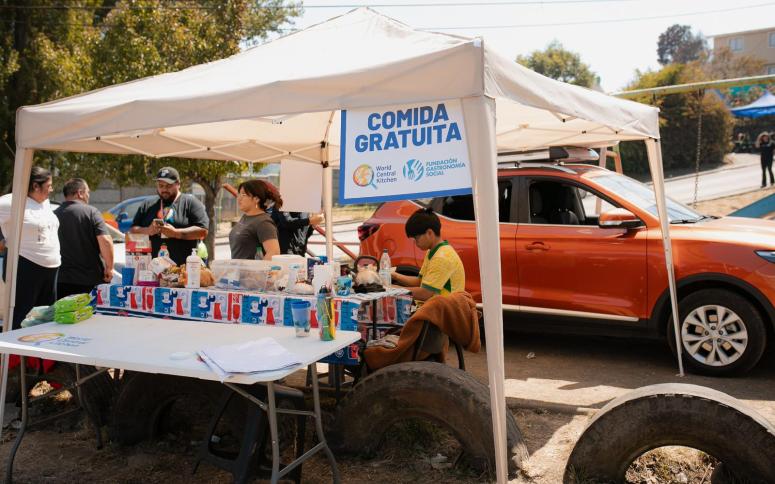
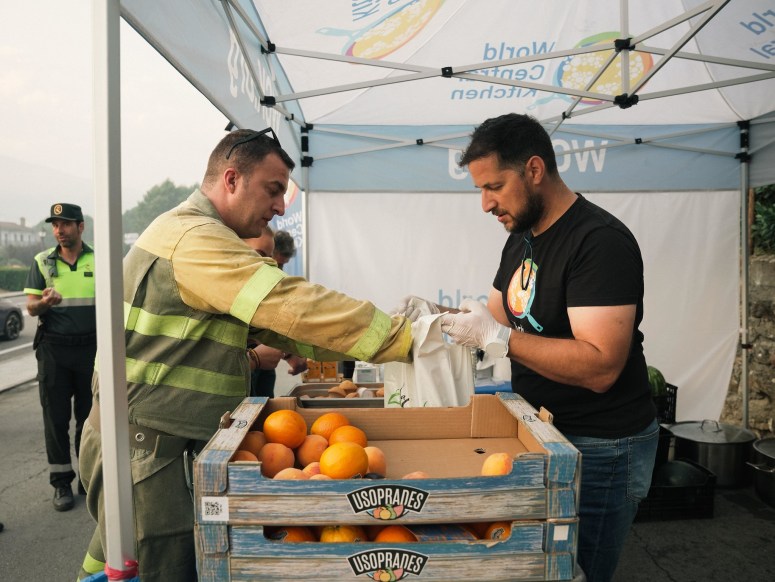
Wildfires are no longer a story confined to the American West. Since 2017, WCK has responded to wildfire emergencies across the United States, Canada, Chile, Greece, Turkey, Spain, Australia, and Hawaiʻi. Spain alone has required five separate WCK wildfire responses across 2021, 2022, 2023, and 2025. Chile has required responses in 2023, 2024, and 2026. Greece has seen WCK teams three times. The geography of wildfire response is expanding—and so is the infrastructure required to meet it.
The scale of WCK’s wildfire response has grown dramatically—and that growth is not incidental. It is a direct reflection of how much more frequently and intensively wildfires are now striking populated communities. Where monitoring and real-time assessment were once occasional needs, they have become constant requirements, with teams on the ground conducting ongoing evaluations to stay ahead of a threat that moves faster and strikes closer to home than ever before.
WCK's Wildfire Responses
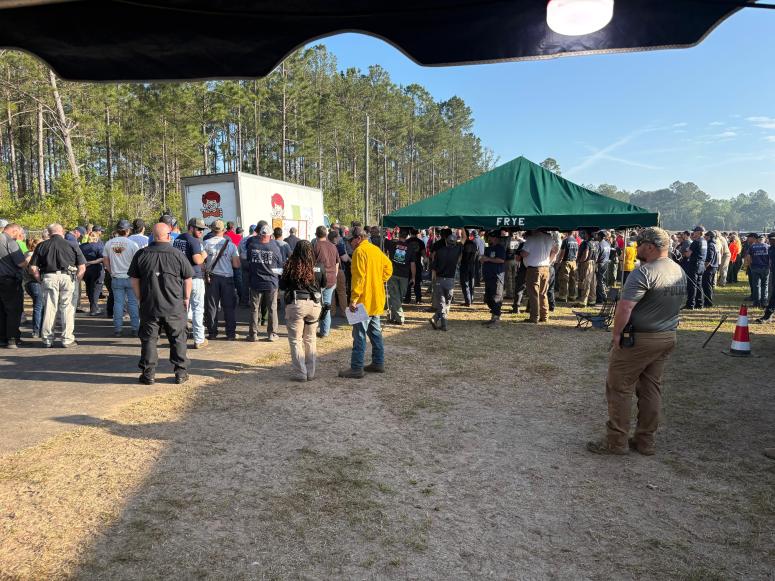
Preparation is now as important as response. During peak wildfire season, WCK pre-positions fleet, resources, and personnel in high-risk regions—and begins proactively engaging local community members, vendors, and restaurant partners well before any fire ignites. The goal is simple: when a wildfire strikes, a network of people, equipment, and supply chains is already in place and ready to move, eliminating the lag time that costs communities in the critical first hours of a disaster.
The question is no longer whether the next wildfire will come. It’s whether communities will be ready when it does.
Power our Wildfire Response