How WCK Is Innovating Wildfire Relief: From Mobile Kitchens to Local Partnerships
Since World Central Kitchen was founded in 2010 by Chef José Andrés, innovation has been at the heart of everything we do. From solar-powered stoves in the early days to large-scale mobile kitchens deployed across continents, WCK teams have always found new ways to get food to people who need it most.
Today, that spirit of ingenuity is being tested by one of the fastest-growing humanitarian challenges of our time: wildfires.
As rising temperatures make wildfires more frequent, more intense, and more unpredictable, WCK has responded to more than 50 wildfire emergencies across the United States, Canada, Chile, Greece, Türkiye, Spain, and Australia. Each response has taught us something new about how to move faster, reach further, and stand with communities longer. Here is how we are putting those lessons to work.
A Fleet Built for the Frontlines

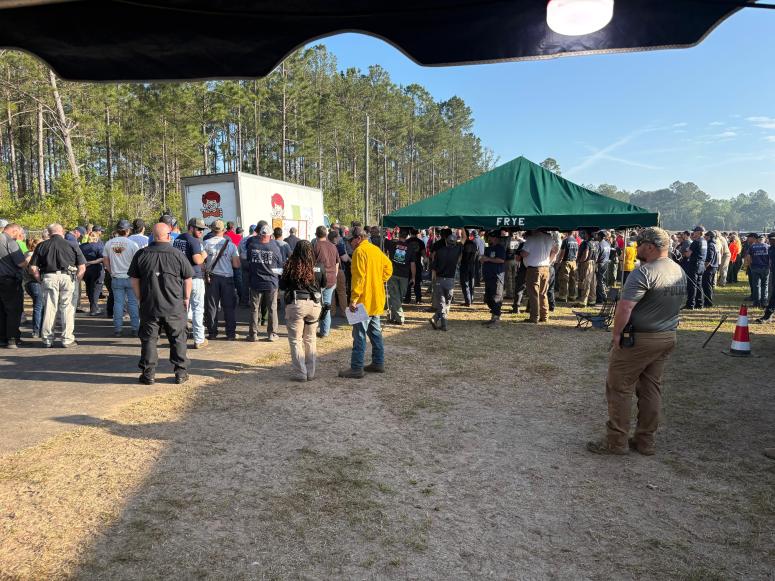
Wildfires can strike in remote, rural regions and large urban centers. When they ignite, food access is quickly disrupted. That’s why WCK’s fleet of Rapid Response Mobile Kitchens (RRMKs) and Rapid Response Field Kitchens (RRFKs) are specifically designed to reach hard-to-access communities and cook at scale.
Each 43-foot RRMK is built for high-volume meal production on the move. Our smaller RRFKs offer the same flexibility for tighter terrain. Vehicles in our fleet are stationed strategically around the world so that when a wildfire ignites, WCK can mobilize within hours—not days.
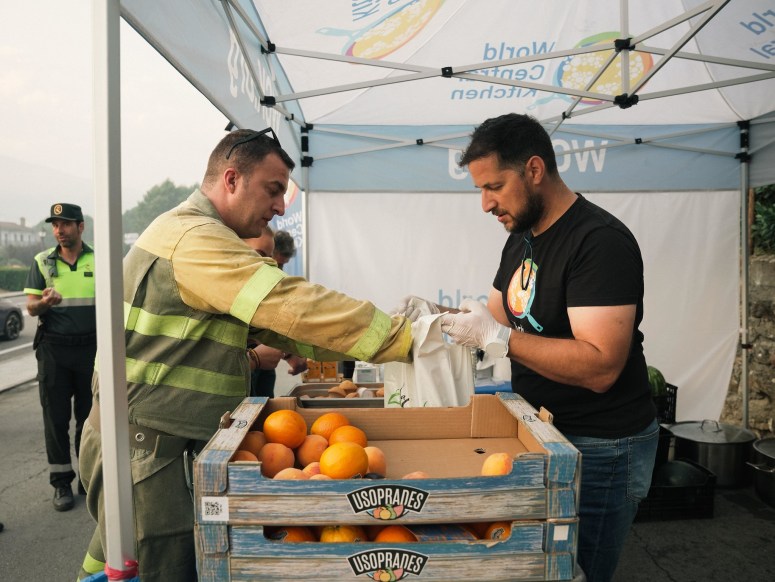
When wildfires swept through Ávila, Spain in 2025, WCK trucks were on the ground serving hot meals to first responders battling the blazes. Shortly after, our North American fleet deployed to Winnipeg to support First Nations communities impacted by fast-moving fires.
Supporting Local Farmers and Foodways
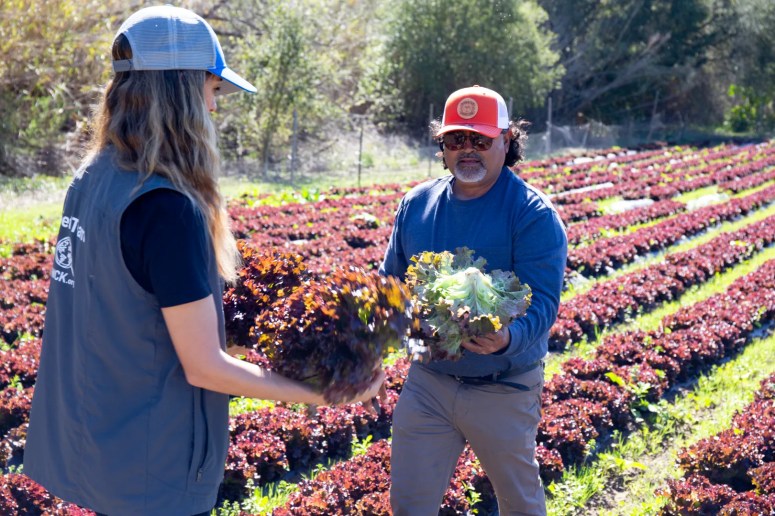
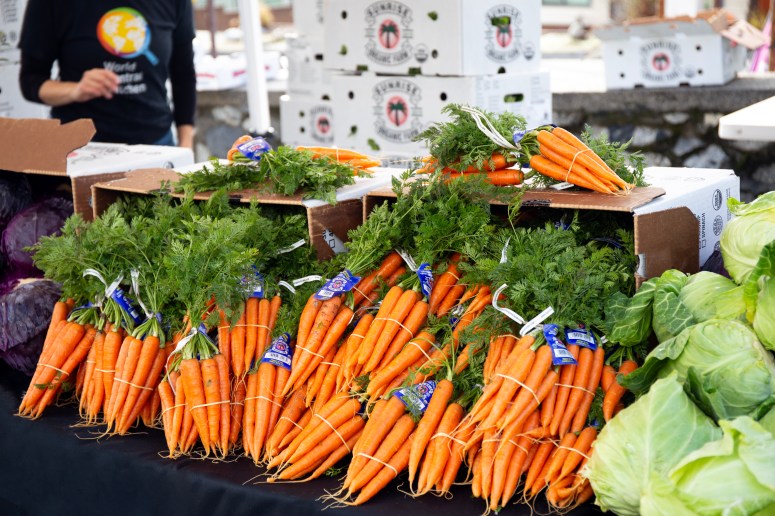
The impact of a wildfire extends far beyond the burn radius. Local economies and agricultural systems can take months—sometimes years—to recover. WCK is committed to sourcing from local farmers wherever possible, keeping money flowing back into communities and ensuring families have access to the food they know and love.
After the 2025 wildfires in Southern California devastated communities in and around Los Angeles, WCK partnered with local farms like Sunrise Organic Farms to open free farmers’ markets for displaced families. Fires had damaged roadways and destroyed crops, cutting communities off from fresh produce. These markets reconnected neighbors with locally grown food at the moment they needed it most.
“It helps the local farms like us, and we get food to the people who need it most right now,” said Sam Watkins of Sunrise Organic Farms.
[WCK’s support] helps the local farms like us, and we get food to the people who need it most.
Sam, WCK Partner Sunrise Organic Farms
Standing With Communities Through Recovery
WCK’s support for wildfire-impacted communities doesn’t end when the headlines do. Recovery is a long road—and we’ve built systems to walk it alongside the people we serve.
In Los Angeles, our teams disbursed $350,000 in grocery support to employees of more than 20 businesses destroyed by the fires—including the team from Pizza of Venice—helping families afford meals after losing their places of work.
This innovation, first piloted in LA, has since been used again. During our response to catastrophic flooding at Camp Mystic in Texas, WCK once again provided grocery support to families working to recover from the disaster.
Local Partners and Chef Corps Members: Our Greatest Asset
As Chef José Andrés says, “Everyone is part of World Central Kitchen—they just don’t know it yet.” Nowhere is that truer than in wildfire response, where local Chef Corps members and restaurant partners are often the first on the scene—and the most essential voices in understanding what communities need.
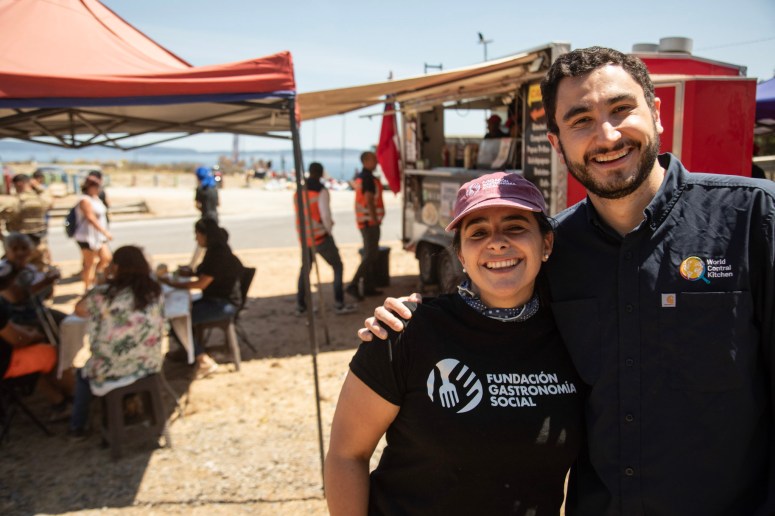
Wildfires caused devastation in Concepción, Chile in early 2026. Right away, we connected with our partners at Fundación Gastronomía Social, an organization we have worked side by side with across three disaster responses in Chile and one in Colombia. That depth of partnership means trust is already built, local knowledge is already shared, and relief can move faster when every hour counts. With their connections and expertise, we served families across the Concepción region as they worked toward rebuilding. We also relied on partnerships with local volunteers like Marcelita, who served her community of BioBío with compassion.
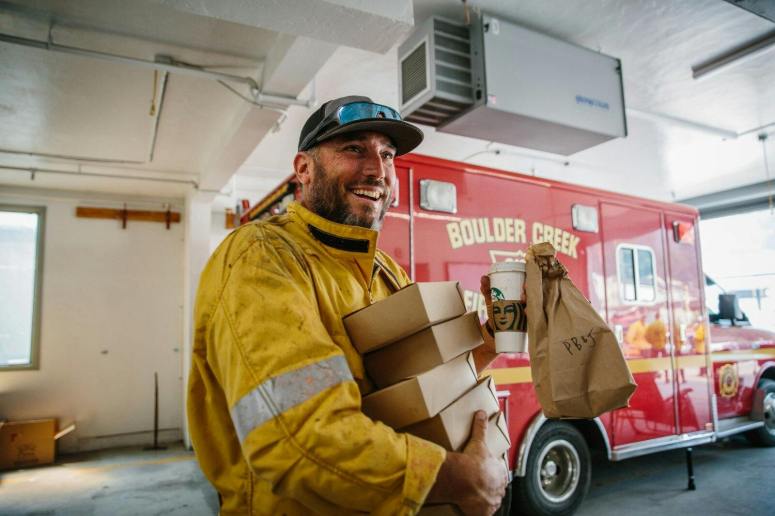
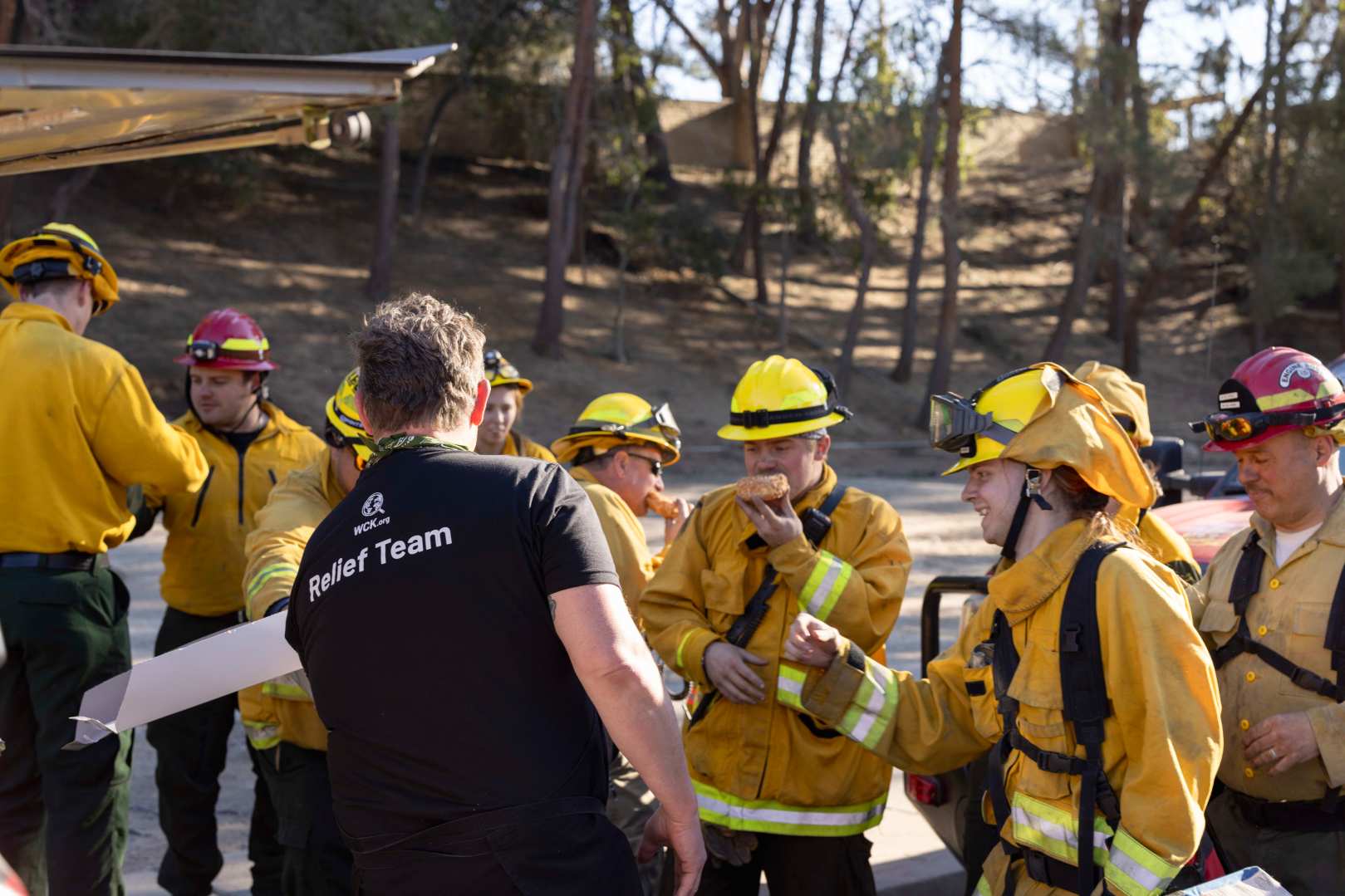
During the Los Angeles fires, nine Chef Corps members were among the first to respond—serving first responders and evacuees from food trucks uniquely positioned to move as the fires shifted.
“We chefs are built to feed people, and when there’s a disaster like this one in LA, we swing into fifth gear,” said Chef Corps member Mary Sue Milliken. “WCK is the glue between people in need and chefs who want to keep busy doing what they love: cooking.”
Over the summer of 2026, WCK teams responded again to wildfires in Southern Spain. We relied on our local food truck partners like Vanis to make sure first responders had the fuel they needed to do their demanding and critical work.
In Türkiye, our trusted partners at Petek Cafe—first connected to WCK during the 2023 earthquake—stepped up again during the 2025 wildfires in Izmir and Hatay, serving thousands of meals to displaced residents. As wildfire threats grow in regions like these, building and maintaining these local relationships isn’t just good practice. It is essential infrastructure.

Investing in Technology to Stay Connected and Serve Meals
In wildfire response, real time information is critical. That’s why WCK has invested in telecommunications infrastructure and mapping technology to keep teams connected in the field, even when conventional communications networks are down. In active disaster zones where cell towers are damaged or overwhelmed, reliable communication can mean the difference between reaching a community in time and missing them entirely. WCK teams are equipped with tools that maintain connectivity in the most challenging environments, ensuring that the people on the ground can coordinate in real time, share updates across locations, and adapt quickly as conditions change.
Mapping technology has become equally essential to how WCK identifies and tracks communities in need. By layering satellite imagery, population data, and real-time fire perimeter information, our teams can pinpoint the areas most affected by a wildfire, including remote or isolated communities that might otherwise be overlooked. This data-driven approach allows WCK to prioritize resources, plan distribution routes, and monitor evolving needs throughout a response. As wildfires grow more unpredictable and wide-reaching, these tools ensure that no community falls through the cracks.

As the climate crisis intensifies, so does the urgency of WCK’s wildfire response. Every innovation—every mobile kitchen deployed, every farmers’ market opened, every local partnership strengthened—is an investment in communities’ ability to withstand and recover from the disasters ahead.
Power our Wildfire Response