WCK Is Ready: Pre-Positioned Teams, Equipment, and Community Networks Ahead of 2026 Atlantic Hurricane Season
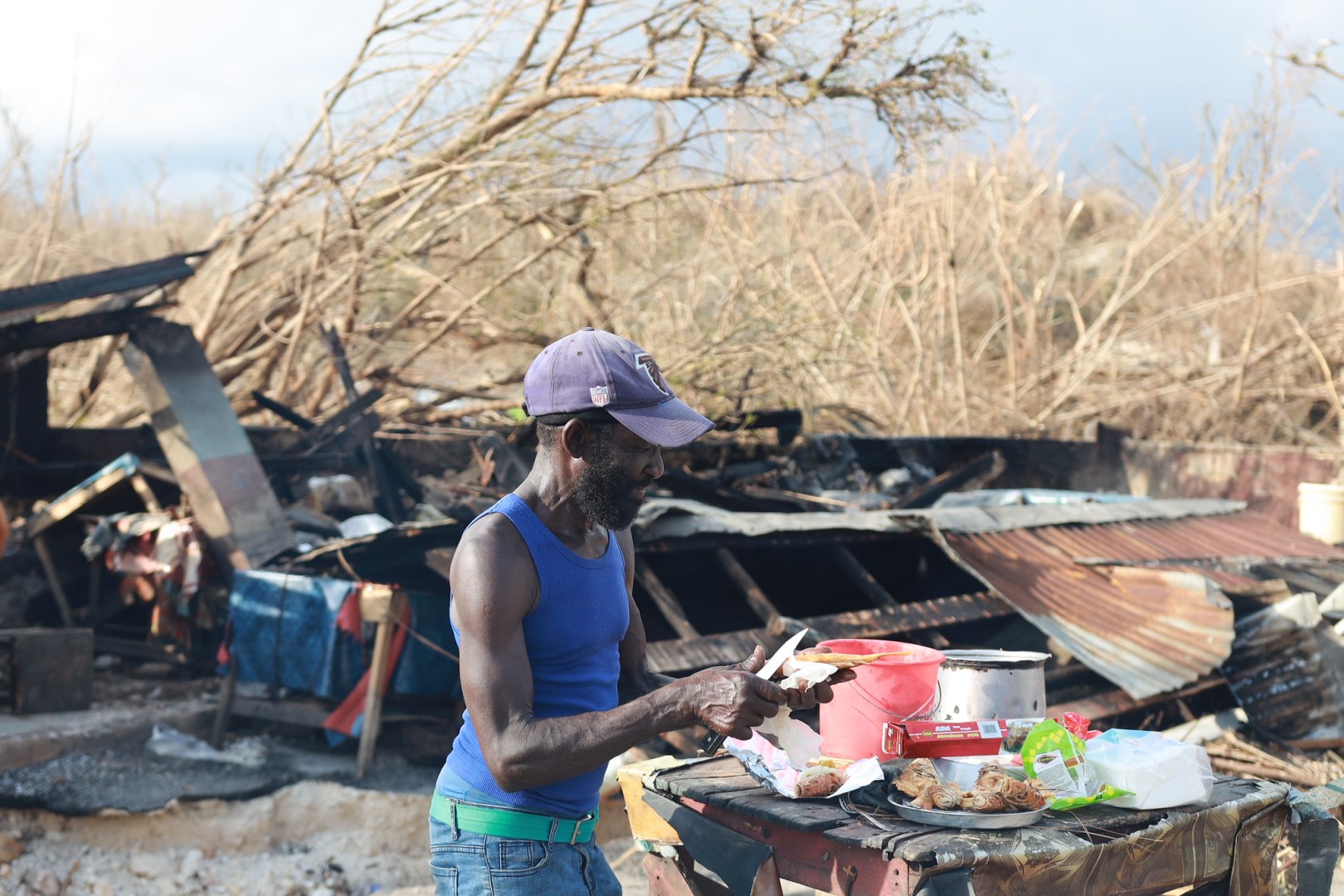
WASHINGTON, D.C.—As the National Oceanic and Atmospheric Administration (NOAA) releases its predictions for the 2026 hurricane season—noting that the Atlantic season is expected to be below normal due to competing climate factors, including the expected development of El Niño conditions later this year—World Central Kitchen (WCK) is already in position to respond to potentially devastating storms across the hemisphere. El Niño conditions typically suppress hurricane activity in the Atlantic, while warmer ocean temperatures and weaker trade winds can still support storm development. And while NOAA forecasts fewer storms overall this season, the agency also warned that it only takes one major hurricane to devastate vulnerable communities. For WCK, that reality keeps preparations at full scale. Vehicles have been serviced. Warehouses are stocked. Community networks spanning the Caribbean, Mexico, Central America, and the United States are activated.
Drawing on years of disaster response experience—from hurricanes in the Caribbean and Gulf Coast to catastrophic storms in Mexico and Central America—WCK’s preparation now depends less on seasonal forecasts and more on readiness for increasingly unpredictable and rapidly intensifying storms fueled by climate change.
“Preparation comes from experience,” said Juan Camilo, Response Director at World Central Kitchen. “We’ve learned that even storms predicted to be weaker can become catastrophic depending on where they hit, how quickly they intensify, and the vulnerabilities communities already face. We’ve seen category 3 storms sit over an area for four days and cause as much damage as a category 5 that passed overnight. We approach every hurricane season with the same level of seriousness and preparation. We don’t let the forecast change our preparation—we prepare for the worst, every time.”
Pre-Positioned and Ready to Deploy
WCK’s relief infrastructure stretches across the hemisphere, with hubs and equipment strategically staged for rapid deployment the moment a storm makes landfall:
- Three Response Operations Centers (ROCs)—Washington, D.C.; Ventura, California; and New Orleans, Louisiana—serve as staging and logistics hubs covering the U.S., Caribbean, and the Americas.
- Food trucks and large-scale field kitchens are stationed across the U.S. and have completed their pre-season mechanical reviews.
- A warehouse in Mexico is stocked with pallets of relief equipment, with additional supplies in Colombia and containers pre-positioned in Jamaica and Puerto Rico.
- Inside the containers, emergency starter kits—capable of producing between 5,000 and 10,000 meals per day—are ready in Mexico and the Caribbean. These kits include kitchen equipment, generators, water provisions, serving supplies, and everything needed to begin cooking on day one, independent of local electricity or infrastructure.
- Satellite communications equipment (Starlinks), satellite phones, and other field technology are staged and ready to establish connectivity in areas where infrastructure has been knocked out.
Unlike traditional food aid organizations, WCK does not stockpile meals. Instead, the organization stores the equipment and infrastructure needed to rapidly establish community kitchens and begin cooking fresh meals within hours of a disaster.
“We store the tools to cook, not warehouses full of food,” Juan Camilo said. “If ingredients are available locally, we can begin providing meals immediately—sometimes within the first day.”
Still, WCK’s most powerful asset isn’t equipment—it’s people. Across the Americas and Caribbean, WCK maintains an active network of local chefs, partner restaurants, community organizations, and registered volunteers, all ready to mobilize when a storm hits.
In Mexico alone, WCK has activated three major operations in the last three years—beginning with Hurricane Otis, a Category 5 that struck Acapulco in 2023, and continuing through subsequent storms. Each operation expanded WCK’s local restaurant network. When Hurricane John hit the following year, partner restaurants that WCK had previously supported were calling in before WCK could reach them—already knowing how many meals they could produce and what ingredients they needed.
“In every response, the community is the expert,” Juan Camilo said. “Local cooks, restaurant owners, and volunteers understand which neighborhoods flood first, where electricity is lost fastest, and what food people need in moments of crisis. That local knowledge is what makes rapid response possible.”
How WCK Responds: Speed with Eyes Open
WCK begins monitoring storms as soon as they develop in the Atlantic. When models begin to converge on a landfall track, the organization immediately increases engagement—checking in with on-the-ground contacts, assessing local conditions, and identifying what pre-staging is possible before the storm arrives.
Where safe and feasible, WCK teams and supplies are pre-positioned before a storm hits—because airports close, roads flood, and being in-country before landfall means being able to cook on day one. In the first 48 hours, WCK provides hot meals, clean water, and critical supplies while connecting communities to satellite communications.
WCK also tracks the ongoing vulnerability of communities that have been recently impacted. A country weakened by flooding, power outages, or prior storm damage faces outsized risk if a new storm follows. Right now, WCK is closely monitoring conditions in the Dominican Republic and Jamaica—both have seen serious impacts from recent weather events, and both face compounded risk this season.
Hurricane response goes beyond meals alone. Depending on conditions on the ground, WCK teams may distribute potable water, support local shelters and hospitals, provide cooking fuel and supplies, or help community-led kitchens resume operations after storms.
“As soon as it is safe after a storm, we go into communities and listen,” Juan Camilo said. “We know our mission is to feed people as quickly as possible. But how we do that—what meals, what support, what scale—comes from the community itself.”
Since our founding, WCK has responded to dozens of hurricanes and tropical storms across the Caribbean, Central America, Mexico, and the United States, often deploying before landfall to ensure meals can begin immediately after impact.
For more information or media enquiries, please contact:
Roberta Alves, Director of Media Relations at ralves@worldcentralkitchen.org or +1 202.400.7483
Our full media team is reachable at press@wck.org