“Your Soul Rests”: How WCK’s Greenhouse Program Is Helping Displaced Ukrainians
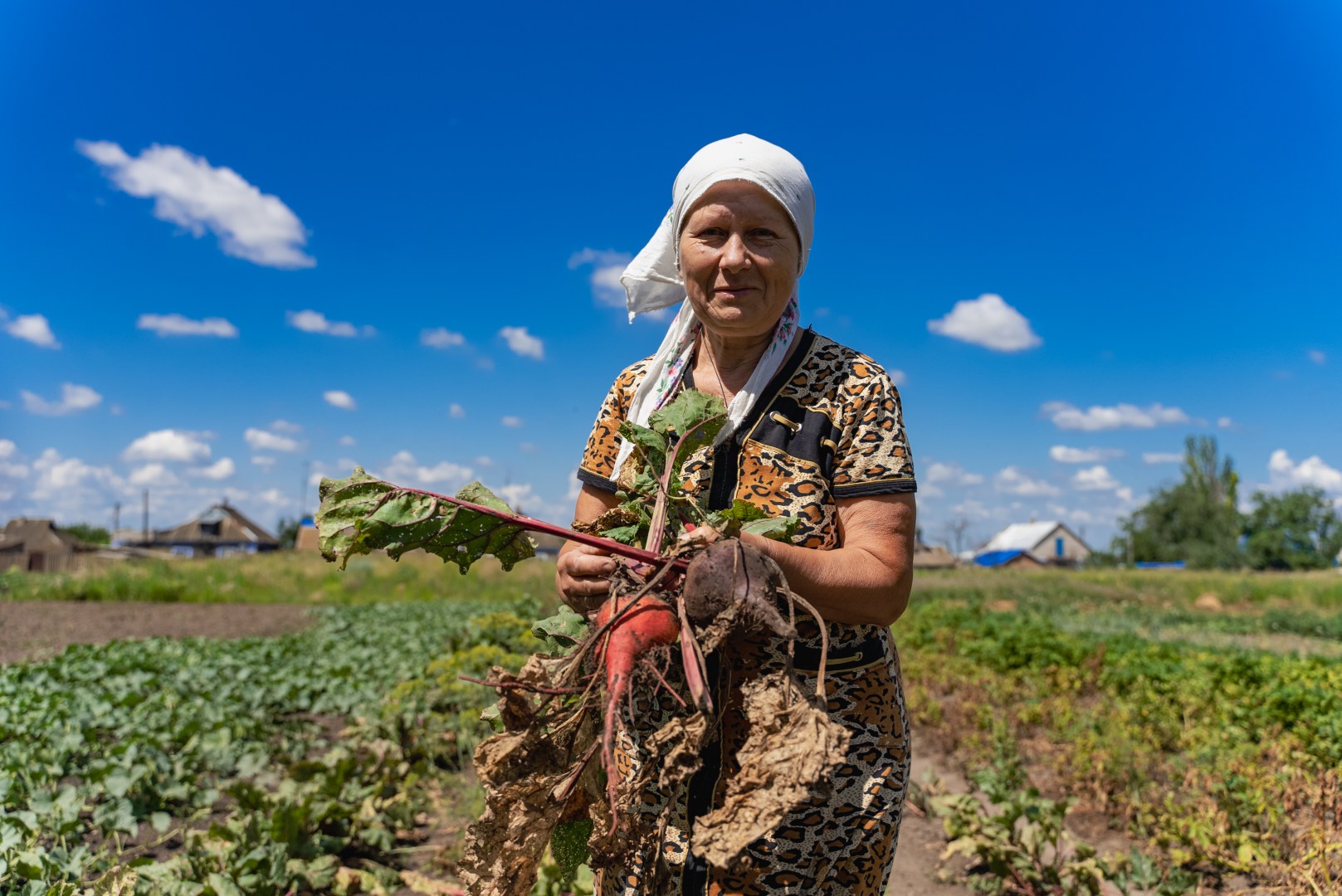
The plastic walls of the greenhouse tremble softly in the wind as Olena bends over a row of seedlings, pressing dark soil around a young tomato plant. Beside her, trays of herbs and vegetables are beginning to take root. A few meters away, her husband, Maksym, adjusts a hose before returning to the beds they now tend together in the Dnipropetrovsk region of central-eastern Ukraine.
“I really love working with the land,” Olena said. “It calms you down when you’re busy with something. Your soul rests.”
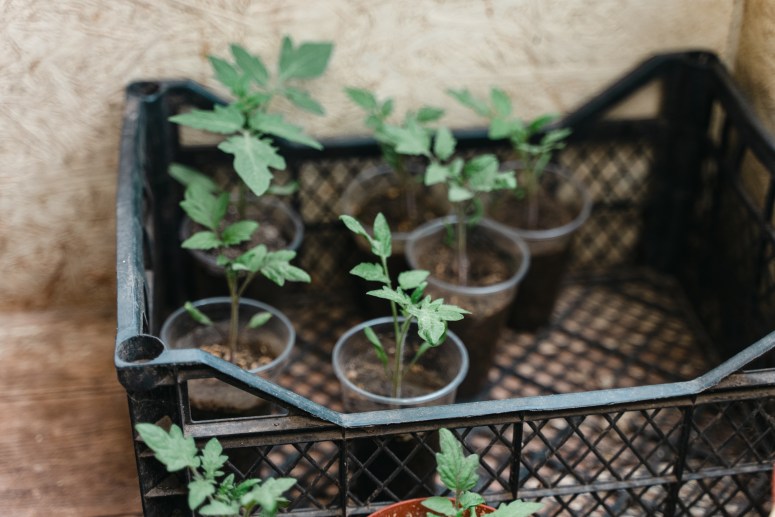
Ukraine is home to some of the world’s most fertile black soil, known as chernozem, which has shaped the country’s agricultural identity for centuries. In many families, gardening is not treated as a hobby so much as part of the rhythm of the year: planting in spring, preserving in summer and autumn, and sharing food through the winter.
The war has upended that rhythm for millions. That’s why this spring, World Central Kitchen launched a pilot program providing greenhouses to displaced and frontline communities across Ukraine, helping families grow food while restoring some of the routines, purpose, and connection to the land that the war has disrupted. The pilot builds on WCK’s broader Seeds of Hope initiative, which has provided more than 300,000 seed kits to families across Ukraine since 2023.
For Olena and Maksym, having a garden again has also been a way to stay busy.
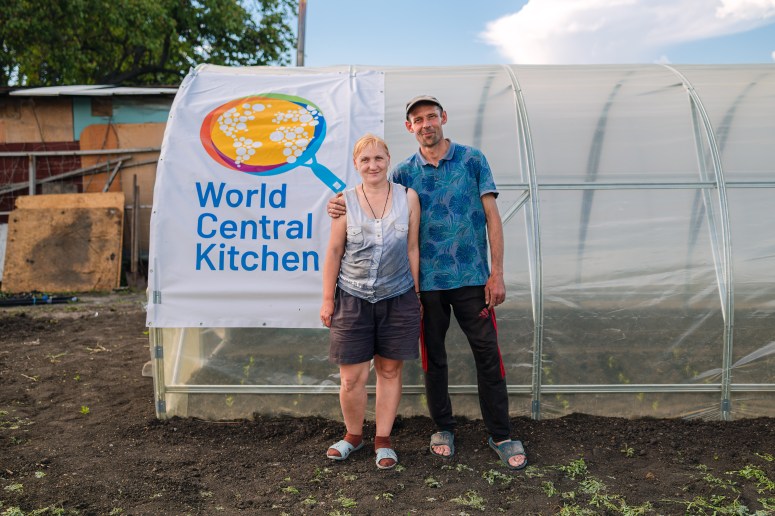
“It distracts you from those thoughts, from what we saw back there. You have to leave some things in the past. Now you have to move forward and live through the things you still love,” Maksym said.
Before the full-scale invasion, Olena and Maksym had spent years building their life in Zvanivka, a village in Ukraine’s Donetsk region. They maintained a large garden and grew food not only for themselves but for relatives as well. Olena loved preserving vegetables, filling the cellar with jars of homemade pickles and canned tomatoes each year. These were routines her grandmother taught her as a child.
As fighting intensified near their village, staying became impossible.
“We stayed almost until the very end,” Olena said. “But eventually, it became too dangerous for the children.”
They were forced to flee their home and a garden that was already fully planted.
For many Ukrainians displaced by the war, the loss of home has also meant the loss of routines tied to the land: farms abandoned, greenhouses left behind, and fruit trees left unpicked.
“When the war began, what hurt the most was not the house, but my plants,” said Tetiana Popadina, who fled the Kherson region in Ukraine’s south, an area battered by occupation, shelling, and flooding during the war. She now lives hundreds of miles away in Staryi Bykiv, a village in the Chernihiv region north of Kyiv. “I’m happy we survived, but leaving the plants behind was very painful.”
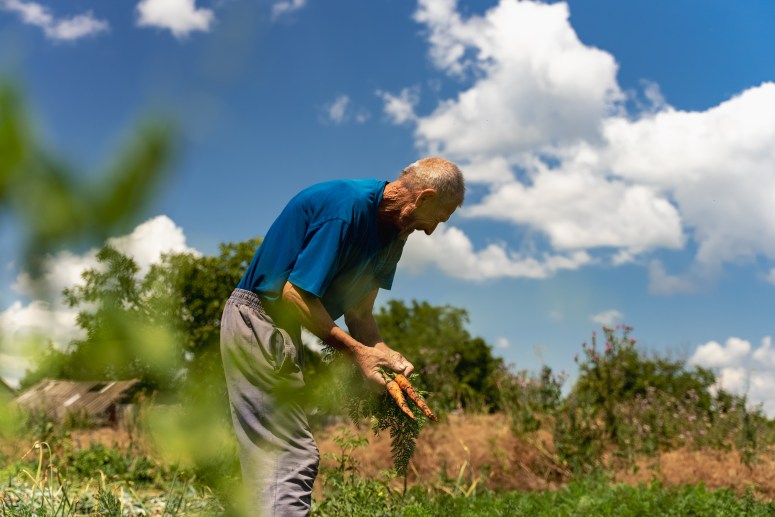
This spring, Tetiana’s community received 13 greenhouses through the greenhouse program. Across Ukraine, WCK has delivered 138 greenhouses to internally displaced families and frontline residents in communities where the organization was already providing food aid. The idea is to help regular food recipients take a step toward greater self-reliance by giving families a way to grow something of their own again. WCK provides the greenhouse frames, plastic covering, seeds, delivery, and guidance. Recipients assemble the greenhouses themselves, then use WCK-provided seeds to begin planting and care for what they grow.
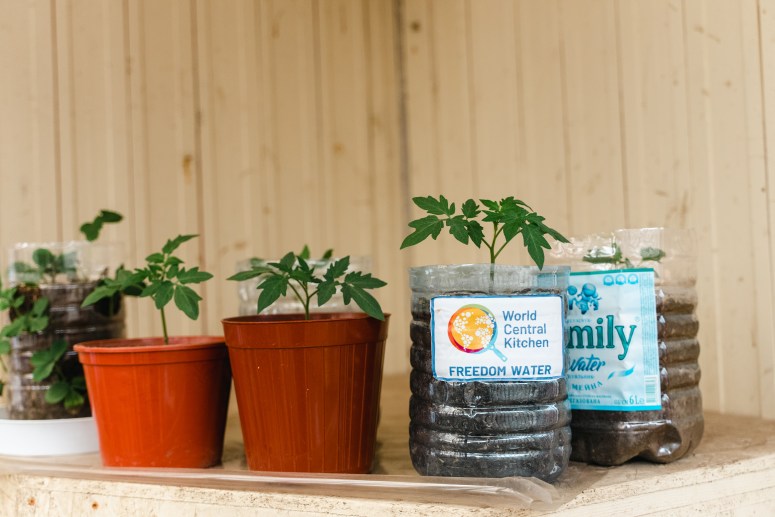
But for Tetiana, what grows inside a greenhouse carries meaning beyond the harvest.
“Plants are rebirth,” she said. “In Ukraine, planting is our tradition.”
The psychological toll of the war on Ukraine’s civilian population has been severe. The World Health Organization estimates that a mental health crisis affects around 10 million people in Ukraine.
After fleeing eastern Ukraine, Olena and Maksym initially spent nearly two years living in an apartment.
“Being inside four walls all the time is impossible,” Olena said. “I was used to having a garden. You go outside, and you know you can do the thing you love.”
After they moved to Pidhorodne, Olena and Maksym received their WCK greenhouse kit. They say being able to garden again has become one way to manage the weight of their situation through routine and physical work. It has created structure in lives disrupted by war, providing daily tasks, physical work, and small signs of progress amid constant uncertainty.
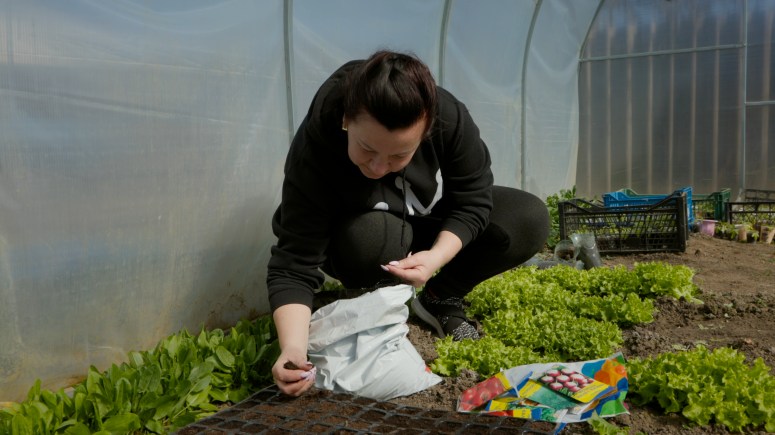
“When you plant something and then watch it grow, it’s like a child,” Maksym said. “People ask what the secret is to growing good plants. The secret is loving what you do.”
The greenhouses have also become places of connection. Residents from different occupied and frontline communities exchange gardening tips, work together on the land, and share stories about the homes they left behind.
“We’ve become like one family here,” Olena said. “It becomes easier when everyone tells their story.”
“For me, home is like when plants are replanted,” Maksym said. “We grew there, and now we were pulled out. But we’re trying to grow again and give fruit wherever we are.”
Support our efforts in Ukraine